Weather in Morocco in March: What to Expect & How to Pack
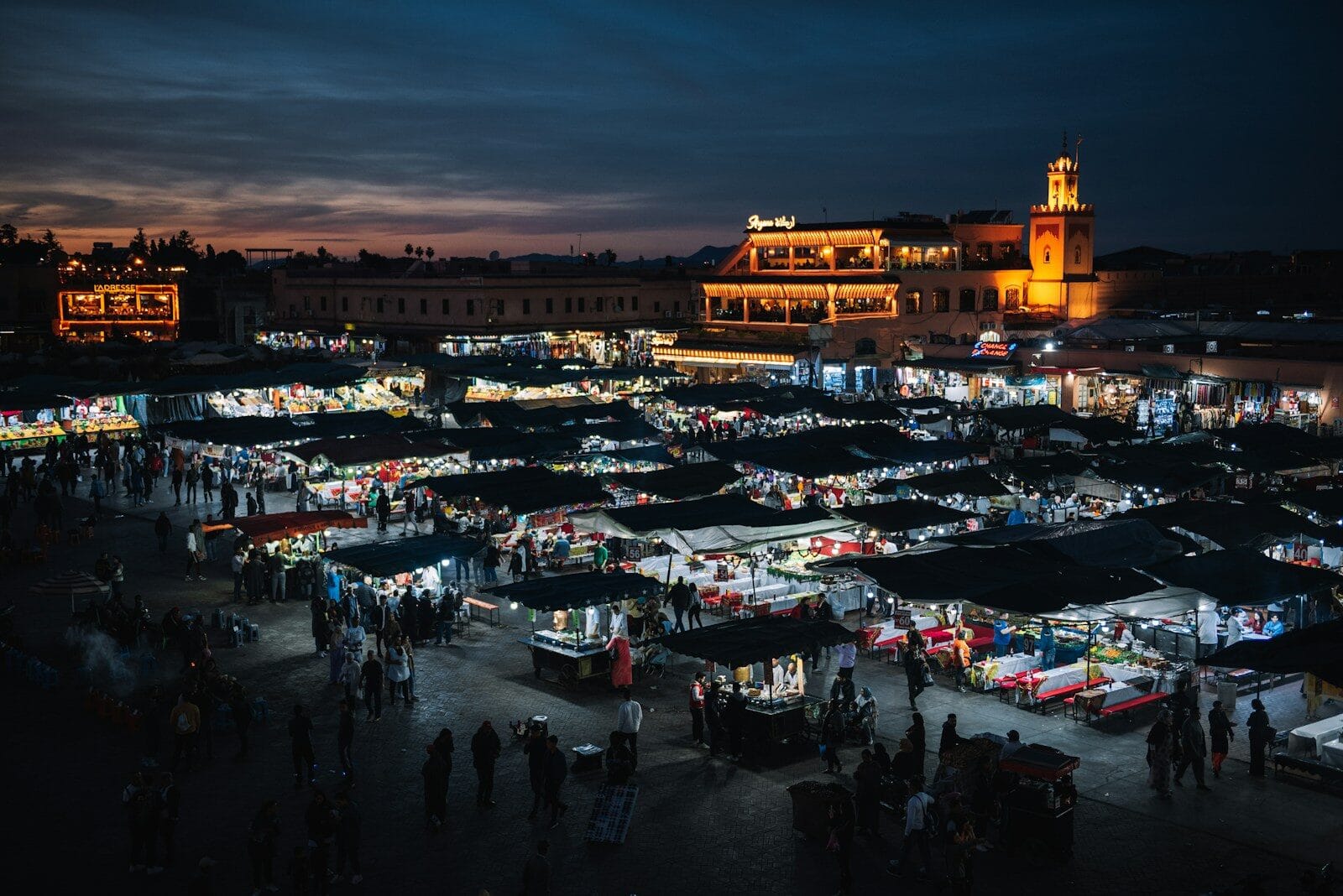
By mid-March in Marrakech, the orange trees in Jemaa el-Fnaa are heavy with fruit and the storks have come back to the rooftops of the medina. Mornings still ask for a sweater. By noon, the cafés in Gueliz are pulling tables onto the sidewalks. This is the weather in Morocco in March at its honest middle. Not quite spring, not quite winter, and almost always better than what most people back home are dealing with.
For families thinking about a trip, March is one of the most forgiving windows on the Moroccan calendar. The Sahara stops being brutal and starts being magic at night under stars. The Atlas keeps snow on the high peaks while the valleys turn green. Coastal cities like Casablanca and Essaouira stay cool and breezy.
In this guide, you will find a city by city temperature breakdown, what to pack for kids and adults, festival timing, where to stay, and the kind of practical advice you only get from someone who has traveled with children through Morocco in this month.
Quick takeaways
- March temperatures across Morocco: Daytime highs run between 17°C and 25°C (63°F to 77°F), with cool mornings and cool evenings, especially in the mountains and the desert.
- Marrakech and the south: Marrakech sits at the warm end of the scale, with highs near 22°C (72°F) and very little rain by the second half of the month.
- Coastal cities run cooler: Casablanca, Rabat, Tangier, and Essaouira stay in the high teens with strong Atlantic winds, so always pack a light jacket.
- The Sahara warms up: Merzouga and the Erg Chebbi dunes hit pleasant daytime temperatures, but nights can drop to 8°C or below.
- Ramadan timing matters: In 2026, Ramadan ran February 19 to March 19, with Eid al-Fitr on March 20. In 2027, it shifts earlier to about February 7 through March 8, so most of March 2027 will be post-Ramadan.
- What to wear: Layers, a light waterproof shell, closed shoes for medinas, and a warm jacket for desert nights or Atlas day trips.
- Best months for families: School breaks in many countries line up with March, and tourist crowds are still lighter than April or May.
Is March a good month to visit Morocco?
Yes, March is one of the best months to visit Morocco, especially for families. Temperatures across most of the country sit in a comfortable range that lets you cover a lot of ground without dealing with summer heat or winter rain. The light is soft, almond and orange trees are blooming, and the main tourist crowds have not yet arrived.
The country opens up in different ways during this month. In Marrakech and the southern oases, you get warm days and cool nights, which is right for desert excursions. The coastal cities stay breezy and mild. The Atlas Mountains still hold snow on the peaks while wildflowers fill the lower valleys. Rain is possible but rarely a trip ruiner. Most days are dry and sunny by the afternoon.
A few situations call for extra planning. If you are traveling during Ramadan, daytime restaurants in smaller towns may be closed and city rhythms shift. If you came for beach swimming, the Atlantic and Mediterranean are still too cold for most kids. If you are aiming for the Sahara, prepare for desert nights that can drop into single digits.
Practical takeaway points:
- Book riads early in Marrakech, Fes, and Essaouira since March is a popular shoulder season month
- Pack proper layers for big day to night temperature swings, especially in inland and desert regions
- Check Ramadan timing for your travel year and plan around fasting hours if needed
- Bring closed shoes for medina alleys, which stay damp from morning fog or short rain showers
- Plan one rest day for every three travel days when traveling with younger kids
For families who want the easy version of all this, Morocco Vacation Planner builds custom private trips around the actual weather in Morocco in March, with riads, guides, and pacing tuned for travel with children.
What to expect from the weather in Morocco in March
Numbers tell part of the story, but daily life tells the rest. A morning in Fes during the first week of March often starts at 7°C with mist hanging over the medina walls. By 10am, the sun is strong enough to warm stone walls and you are happy in a long sleeve shirt. By 6pm, you want that jacket back. This swing of fifteen degrees or more in a single day is the defining feature of the weather in Morocco in March, and it catches a lot of visitors off guard.
In the south, daytime temperatures in Ouarzazate, the Draa Valley, and Merzouga climb into the low twenties. The air feels dry, the sun is sharp, and you can spend a whole afternoon outdoors without sweating. Then the sun drops behind the dunes and everything changes within thirty minutes. A desert tent without a heater can sit at 8°C overnight in early March. Families I have guided have all said the same thing. Nobody warned them how cold the Sahara could get at night.
Coastal regions feel different. The Atlantic stays around 16°C, which is too cold for most swimmers but ideal for long beach walks. Sea winds in Essaouira pick up almost every afternoon, which is why kitesurfers love it and toddlers do not. Casablanca and Rabat sit in similar conditions, with the corniches comfortable by noon and chilly by sunset.
The High Atlas keeps its character. Driving up from Marrakech toward Imlil or the Ourika Valley, you pass blooming almond trees at lower elevations and snow at the tops. Day hikes work well if you start early and turn around by 3pm. Light at altitude is brighter than you expect, and sunscreen matters even when the air is cool.
Rain comes in short bursts, usually overnight or in the early morning. By mid-March, most of the country has dried out for spring. The north and the Rif region can still get steady drizzle for a day or two at a time. Plan one indoor activity for every two outdoor ones, just in case.
City by city: weather in Morocco in March
A national average is useful, but Morocco is not one climate. Where you go shapes what you pack and what you can do.
Marrakech in March
The Red City in March is what brings most first time visitors back. Average highs run around 22°C (72°F), with lows near 10°C (50°F). Rain falls maybe four or five days the whole month, usually as short showers rather than full day soaks. The Majorelle Garden looks its best now, with the bamboo a loud green and the cobalt walls catching the sun. By mid-month, cafés in the Gueliz district keep their patios full until 9pm.
For families with kids, the warm days mean rooftop terraces of riads work for breakfast and dinner. Pool water at most riads is still too cold for swimming, but some properties heat their pools to about 26°C through March.
Casablanca and Rabat in March
The Atlantic coast keeps things mild and breezy. Casablanca highs hover around 19°C (66°F), and Rabat is almost identical. Both cities catch consistent ocean wind by late afternoon, so a hat or scarf for kids on the Hassan Tower esplanade is a smart move. Rain is more frequent than in Marrakech, with around six rainy days expected in March.
The food scene comes alive late this month. Once Ramadan ends, the seafront restaurants from Ain Diab to La Marina reopen for long lunches. Cool wind, hot tagine, full belly.
Fes and Meknes in March
Inland and surrounded by hills, the imperial cities run cooler. Fes daytime temperatures sit around 19°C (66°F) but feel cooler in shaded medina streets. Morning fog is common in the first half of March, and early starts mean bringing a warm layer for kids.
Meknes, just over an hour away, runs a degree or two cooler still. Both cities see more rain than Marrakech, so build in indoor stops like the Bou Inania madrasa or the Volubilis Roman ruins. Volubilis in spring with green grass and wildflowers between the marble columns is the kind of memory that sticks with kids.
Tangier and Chefchaouen in March
The far north is the wettest and coolest part of mainland Morocco in March. Tangier highs reach about 17°C (63°F), with a wind off the strait that can feel sharp. Chefchaouen up in the Rif Mountains is colder still, with daytime temperatures around 16°C (61°F) and chilly nights. The famous blue walls photograph better after a quick rain shower.
If you are heading north, plan for at least one wet day in any week-long trip. Hot mint tea on a rooftop with the wind blowing is a memory worth having even if the kids complain at first.
Essaouira in March
Wind defines Essaouira. Daytime highs reach about 18°C (64°F), but the constant Atlantic breeze makes it feel five degrees cooler. The town stays sunny most days. Toddlers do better here in light long sleeves than in summer clothing. Seafood is exceptional this month, with sardines and lobster fresh off the boat at the port.
The Sahara desert in March
The Sahara might be the single best argument for visiting in March. The summer heat that turns Erg Chebbi into a furnace has not arrived yet, and the winter cold that can spoil a desert tent stay is fading. Daytime temperatures around the dunes near Merzouga and Zagora run between 22°C and 26°C (72°F to 79°F), depending on the year and the exact location. The light is golden and long, which is part of why photographers love this month.
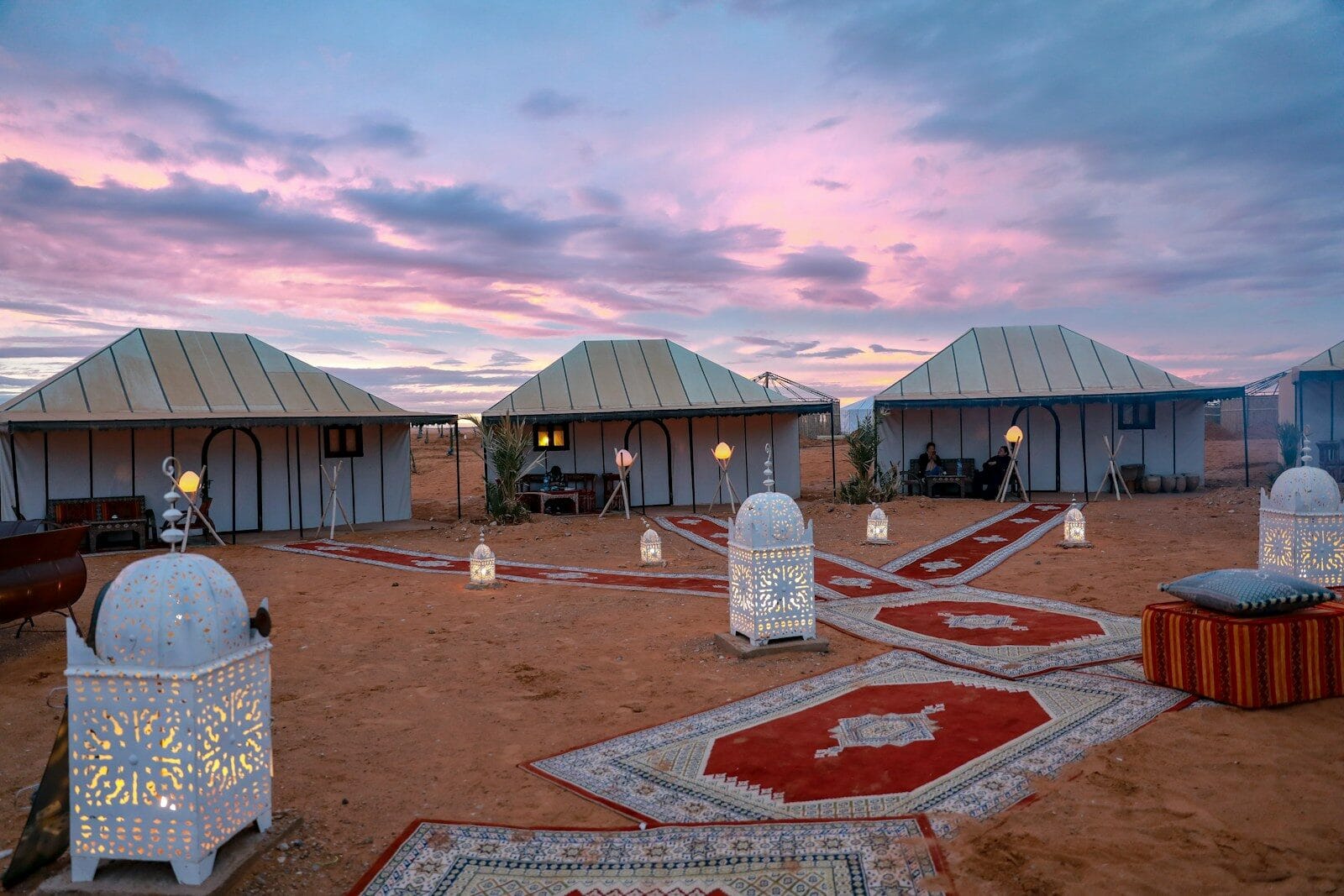
Night is where the weather in Morocco in March gets serious for desert visitors. After sunset, temperatures fall fast. By 11pm, you might see 8°C (46°F) or even lower. A good desert camp will have proper thick wool blankets and heaters in larger tents. Cheap operators will not. This is where the gap between bargain camps and well organized ones shows up most, in how warm your kids stay through the night.
10-day Morocco family tour
Imperial cities · High Atlas · one night under Saharan stars. Family-paced, private driver, kid-tested stops.
The drive in matters too. From Marrakech to Merzouga is a two day haul through the High Atlas via the Tizi n’Tichka pass. In March, the pass can occasionally close for a few hours after a snowstorm, though this is rare and quickly cleared. Build a buffer day into your itinerary if you are crossing the mountains in either direction.
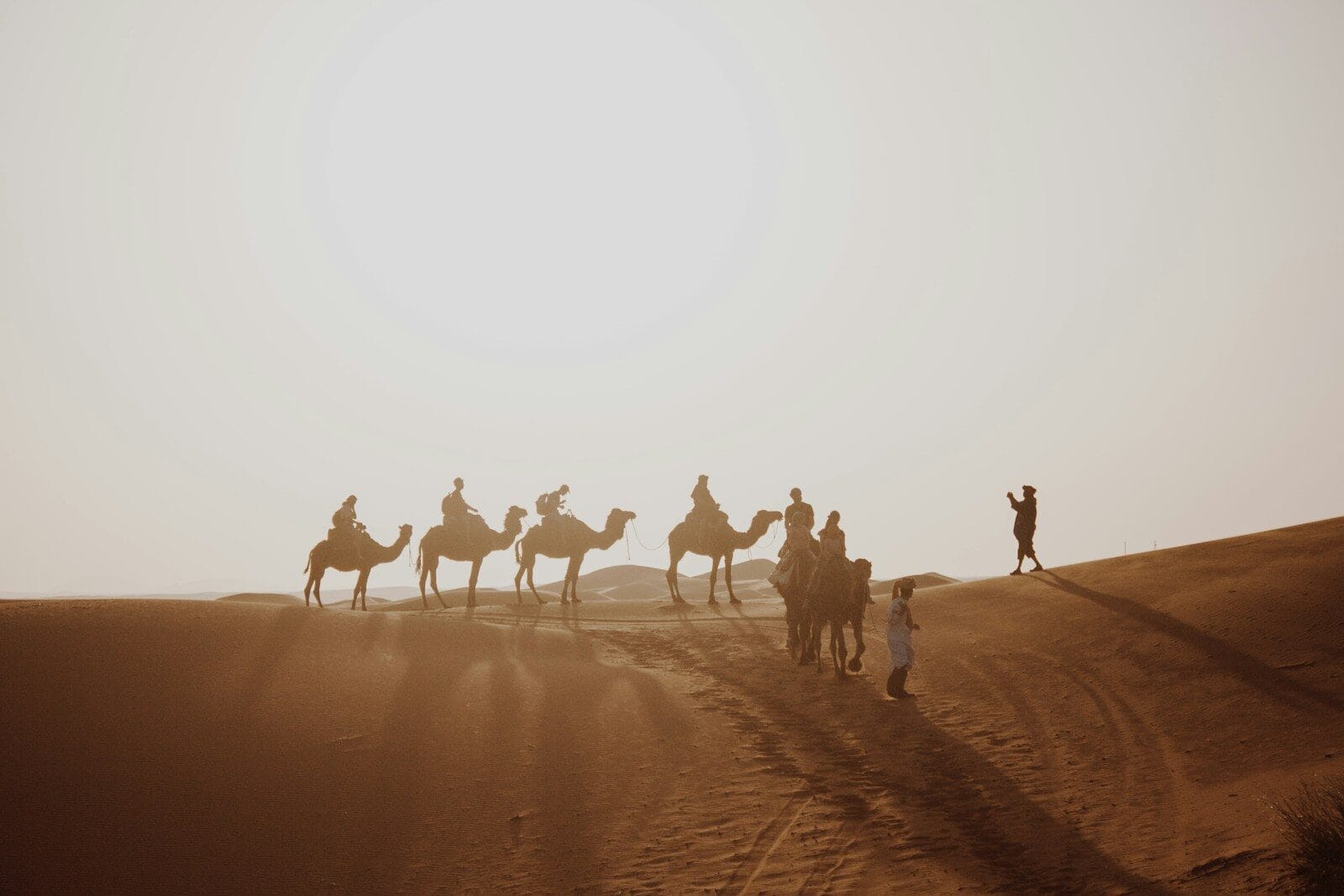
For families with younger kids, a camel ride at sunset, dinner around a low table inside a tent, and Berber drumming under a wide black sky are the kinds of moments children retell for years. Pack two sets of warm pajamas for them. Disposable hand and toe warmers are easy to throw in and worth their weight when the wind picks up at midnight.
Atlas Mountains weather in Morocco in March
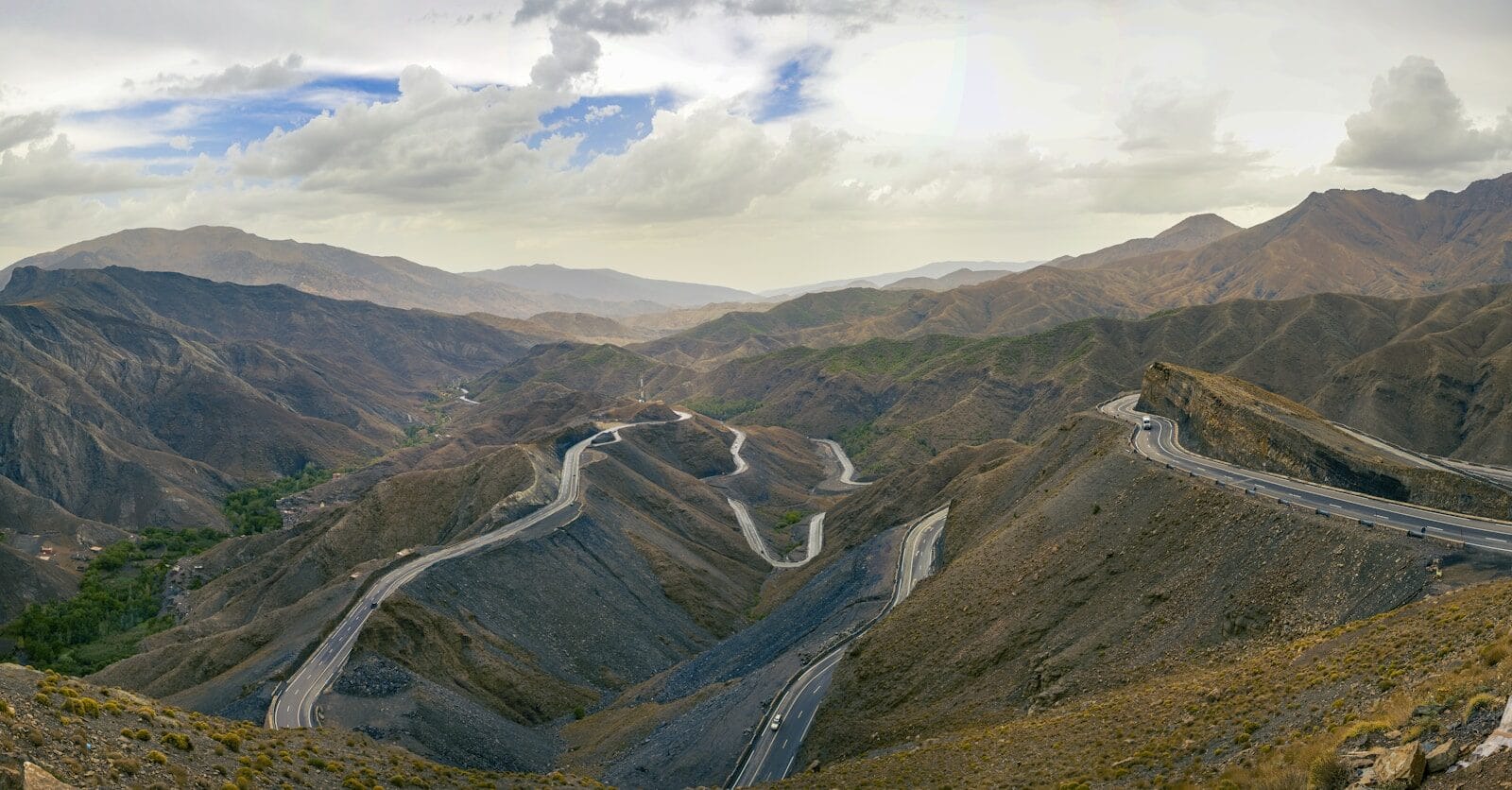
The High Atlas in March is a different country from Marrakech, even though they sit only an hour apart. Snow still caps peaks above 2,500 meters. The villages of Imlil, Setti Fatma, and Asni sit at lower elevations where days are cool but pleasant, around 14°C to 16°C (57°F to 61°F). Night temperatures dip near freezing.
This is the month when the lower valleys turn green and wildflowers come out in patches between the terraced fields. Hiking works on lower trails. Anything above the snow line needs proper gear and a local guide. Families with kids over ten can do a beautiful day hike from Imlil up to a small Berber village for lunch and back, with a stop at a waterfall on the way.
Mountains hold weather longer than the cities. If Marrakech has a sunny day, the Atlas might still be cloudy by mid morning. Always pack a waterproof shell and warm gloves for any high altitude day trip. The Tizi n’Test and Tizi n’Tichka roads are dramatic but ask for steady drivers. Dramamine helps for kids who get carsick.
Many Atlas guesthouses now have wood stoves and warm thick blankets, which makes nights cozy rather than freezing. A few have hot springs nearby. Setti Fatma and the Ourika Valley are easy day trips from Marrakech if you do not want to commit to an overnight in the mountains.
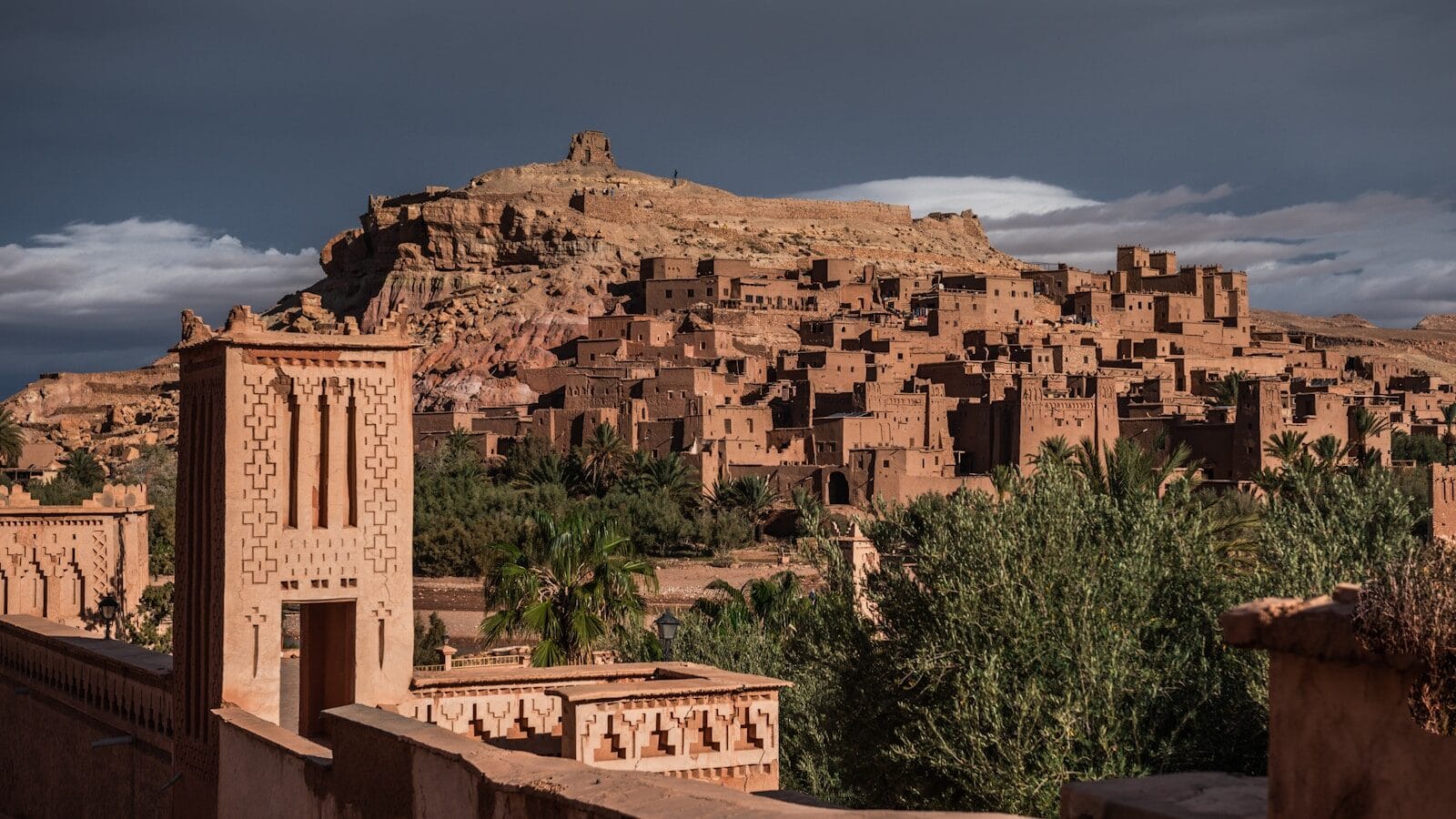
The Anti Atlas in the south sees milder weather this month. Around Tafraoute, almond blossoms cover the hills and daytime temperatures climb into the low twenties. This region stays under the radar for most visitors, which means quieter trails and friendlier prices.
What to wear in Morocco in March
Packing for this month is mostly about layers. The weather in Morocco in March changes more across a single day than across a season in some countries. Mornings can ask for a fleece, noon for a t-shirt, evenings for a jacket. Dress for that, and you will be fine almost anywhere in the country.
Here is what works in my experience traveling with kids and adults.
Base layers: Long sleeve cotton or merino t-shirts, plus regular cotton shirts. Pack a few of each.
Mid layer: A light sweater or fleece. Synthetic dries faster if you get caught in light rain.
Outer layer: A waterproof shell or compact rain jacket. For desert nights, a warm down or fleece jacket on top of that.
Bottoms: Light hiking pants for medinas and trails. One pair of jeans for evening walks. Comfortable closed shoes that you do not mind getting dusty. A pair of sandals only if you are spending real time on a heated riad terrace.
For kids: Two warm sleeping outfits if you are doing the Sahara. A wide brim hat for desert and Atlas day trips. Sunscreen at SPF 30 or higher because the sun at altitude is stronger than you think.
Cultural notes on clothing: Morocco is a Muslim majority country, so for medinas and small towns, shoulders covered and pants or skirts to the knee for women is the polite choice. Beach resorts and Marrakech Gueliz are more relaxed.
For Ramadan timing: If your trip overlaps with the fasting month, dressing modestly during the day is an easy way to be respectful, especially in smaller towns where the rhythm is more conservative.
Skip the tank tops, skip the shorts, bring one bathing suit just in case your hotel pool is heated. That is the short version.
What to do in Morocco in March
The cool but sunny daytime pattern that defines the weather in Morocco in March opens up activities that are awful in summer and limited in winter. Long walks through medinas. Day hikes in the Atlas. Camel treks in the desert. Cooking classes that involve moving around the souk to source ingredients. Hammam visits where the cool outside makes the hot steam more welcome.
A few that work especially well this month.
Marrakech medina exploration: With temperatures in the low twenties, you can walk for hours without getting overheated. Start at Jemaa el-Fnaa, work through the spice and dyeing souks, finish with mint tea on a rooftop watching the sunset.
Day trip to the Atlas: Setti Fatma, Imlil, or the Ourika Valley make solid day trips from Marrakech. Pack lunch from a Marrakech traiteur. Hot tagine in cold mountain air is one of those small luxuries that makes the whole trip.
Essaouira weekend: Three hours from Marrakech, this coastal town is mild and breezy in March. Walk the ramparts, eat fresh sardines off the grill at the port, let kids run on the wide beach.
Roman Volubilis: Easy from Fes or Meknes, the Roman ruins are at their photogenic best in March with green grass and wildflowers between the columns. Kids love the still standing arches and mosaics.
Need help with transportation in Morocco?
Book a reliable private driver for your Morocco family adventure today — personalised routes designed just for you.
Cooking class in Fes: Indoor activity for any rainy day. Most riads now offer half day classes where you visit the market first and then cook.
Sahara overnight from Merzouga: With nights still cool, the experience is more about stars and silence than about heat. Choose a camp with proper heating and thick blankets.
Bird watching in Sidi Boughaba or Souss-Massa: March is migration season. Flamingos, herons, and the rare bald ibis pass through. Easy half day trips from Rabat or Agadir.
Morocco in March with kids
Traveling with kids in March means lighter crowds, cooler walks, and a forgiving sun. The biggest planning challenges are pacing and clothing layers. Both are simple to manage once you know what you are doing.
For toddlers under three, stick to the cities and one short desert overnight at most. Long drives across the Atlas tire them out and the cold nights are harder for very young children to handle. Marrakech to Essaouira is a manageable three hour drive that breaks up nicely with a stop at the goats in argan trees along the road. Yes, this is a real thing. Yes, kids love it.
For kids four to ten, the mix opens up. They can handle a two day Sahara round trip from Marrakech with one overnight in a heated tent. They can do a half day Atlas hike. They can sit through a cooking class if there is a kid friendly task involved like rolling couscous or shaping bread.
For teens, March is ideal. Cooler weather means longer hikes, longer medina walks, longer beach days in Essaouira without complaint. They will care about photo light, which March delivers in spades.
A few specific tips.
Riad selection matters more than usual. A riad with a heated pool and warm blankets makes a big difference in March. Confirm both before booking, since not all places have either.
Build in slow mornings. Cool starts make kids cranky if you push them out the door at 8am. Let them have breakfast on the terrace at 9, then start the day.
Pack snacks that travel well. Almonds, dates, dried fruit, and biscuits from any Carrefour in Morocco work better than fancy imported bars from home.
For families who want this handled, Morocco Vacation Planner specializes in private trips built around the weather in Morocco in March, with itineraries paced for real family travel and not the brochure version.
Festivals and events in Morocco in March
The cultural calendar in March depends partly on when Ramadan falls in any given year. In 2026, Ramadan ran February 19 to March 19, with Eid al-Fitr celebrations on March 20. In 2027, Ramadan shifts earlier to about February 7 through March 8, so most of March 2027 will be post-Ramadan. Always confirm dates closer to your trip, since the calendar shifts each year and the final dates depend on moon sighting.
Eid al-Fitr in cities means new clothes for kids, family visits, pastries everywhere, and a noticeable bump in restaurant prices and hotel availability. If you can land your trip around the festival without traveling on the actual day, when many shops are closed, you get the energy of celebration without the chaos.
Other March events to know.
International Women’s Day, March 8: Casablanca and Rabat hold exhibitions and panels through the week, especially at cultural centers and women run cooperatives.
Almond blossom season in Tafraoute: The southern village of Tafraoute hosts an almond blossom celebration in late February or early March, depending on the bloom. Worth the drive if you want to see the Anti Atlas hills turn pink and white.
Marathon des Sables training season: This is not a public festival, but March is when runners head south to train for the world’s hardest desert race. The town of Ouarzazate fills up with athletes. If you happen to be there, the energy is something else.
Independence Manifesto Day, March 11: A national holiday. Banks and many government offices close, but tourist sites stay open.
Sufi music gatherings: Several Sufi orders hold gatherings during this month, especially in Fes and Meknes. These are not formal tourist events, but local guides can sometimes arrange respectful access.
How these events overlap with the typical March conditions determines what kind of trip you end up having. A post-Ramadan Eid week feels celebratory and packed with food. A pre-Ramadan week is quieter and easier for sightseeing.
Where to stay in Morocco in March
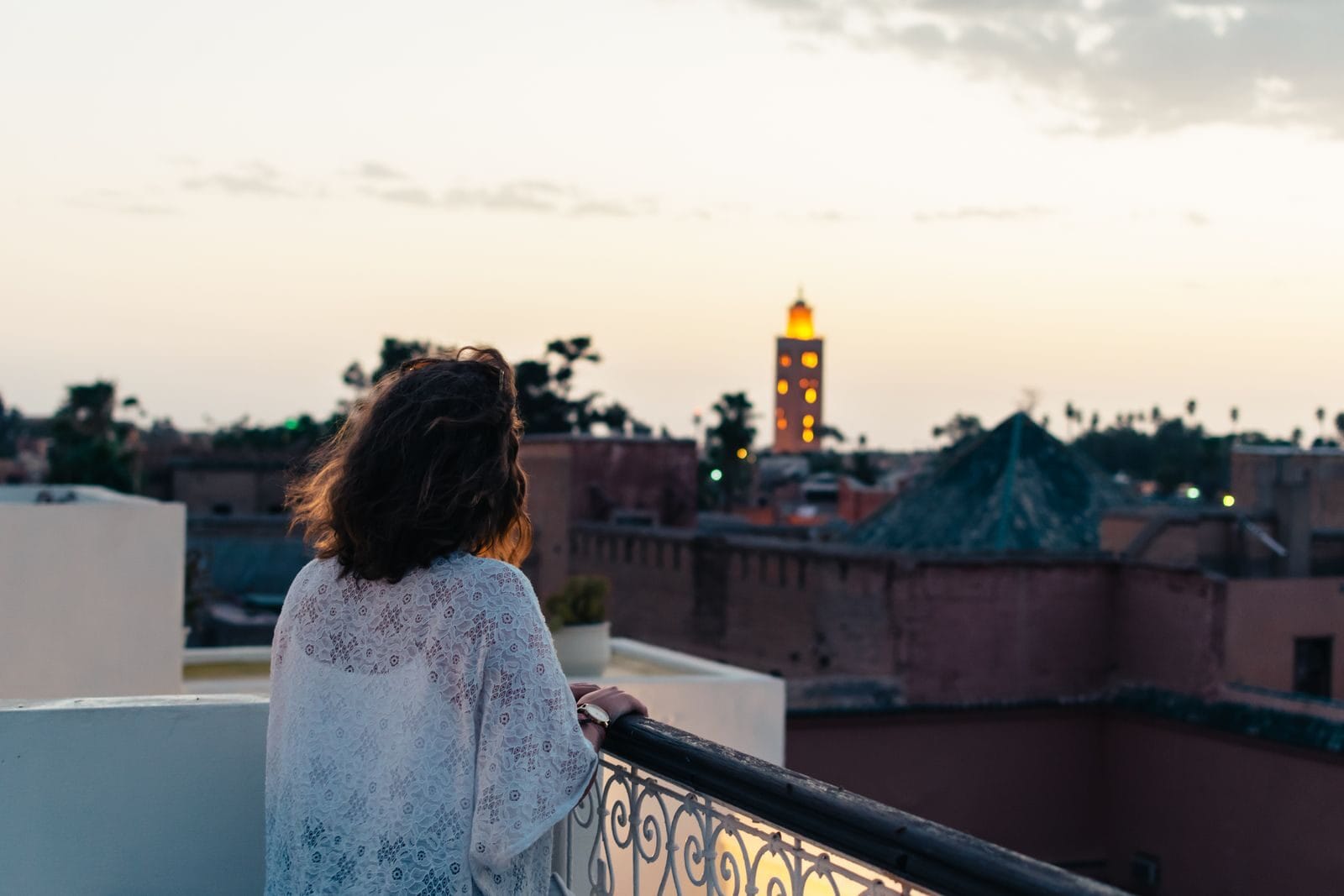
Riads remain the best lodging choice for most family trips during a March visit, but you need to ask two specific questions before booking.
Does it have heating? A traditional riad with high ceilings and tile floors gets cold fast on March nights. The good ones have central heating or at least proper electric heaters in every bedroom. The cheap ones do not.
Is the pool heated? If you have kids who will want to swim, this matters. Pool temperatures of 16°C in March are normal for an unheated pool, which is unswimmable for most children.
12 & 14-day grand family tours
Add Chefchaouen, the Atlantic coast, or two nights in the dunes. Slow mornings, shorter drives, room for grandparents and toddlers.
In Marrakech, riads in the medina offer the most character but the smallest rooms. The Hivernage and Gueliz neighborhoods have larger hotels with reliable heating and bigger pools. For families with toddlers, Hivernage hotels are often more practical.
In Fes, ask specifically about the location within the medina. Some riads need a fifteen minute walk over uneven cobblestones from the nearest taxi drop, which is hard with strollers or tired kids.
In coastal cities, the older central neighborhoods are charming but cold. Modern apartments or hotels with proper heating are worth the trade in March.
For desert camps in Merzouga or Zagora, pay up for a premium camp with thick wool blankets, heated tents, and proper bathrooms. The price difference between bargain camps and good ones in March is what separates a magical night under stars from a miserable cold one.
For Atlas guesthouses, look for places with wood stoves and reliable hot water. Imlil has several established guesthouses run by local Berber families that have figured out March hospitality through decades of trial and error.
Practical tips for the weather in Morocco in March
A handful of small things make a big difference in how a trip through the weather in Morocco in March plays out.
Check Ramadan timing for your travel year. Restaurant hours, café availability, and city pacing all shift during the fasting month. Most major tourist restaurants and hotels stay open, but small local spots may close until sunset.
Build buffer days into your itinerary. High Atlas passes can close briefly after a rare snowstorm. A two day cushion between major moves prevents a missed flight if weather slows you down.
Pack a small power bank. Sunset in March falls around 6:30pm by midmonth, and you will be out for evening medina walks. A dead phone in a Fes alley is no fun.
Bring a refillable water bottle. Hotels and riads will refill it. Single use plastic is a real environmental problem in Morocco, and the kids notice when you skip it.
Download offline maps. Maps.me or Google Maps offline mode both work. Some medinas are dense and confusing, and data connectivity is patchy in mountain villages and the desert.
Cash matters. ATMs are common in cities but rare once you leave them. Bring enough dirhams for the day before driving into the desert or the Atlas.
Tipping is part of the culture. Small bills for guides, drivers, hammam attendants, and restaurant servers. Ten percent at a restaurant is normal, more for exceptional service.
Photography note: The light in March is softer than the harsh July sun and golden in the late afternoon. Sunrise and the last hour before sunset give you the best photos of any month except possibly October.
Health and travel insurance: Pharmacies are easy to find in every city. Bring a small first aid kit with kids’ fever reducer, electrolyte sachets, and a thermometer for desert and mountain stops where supplies are limited.
Final thoughts
The weather in Morocco in March is one of those rare cases where conditions match the calendar most travelers can manage. School breaks fall in many countries during this month. Flights are still in shoulder season pricing. The country is cool enough to walk all day and warm enough to enjoy a courtyard dinner. Families who come now leave with the sense that they hit a sweet spot.
If you take one thing from this guide, let it be the layers. Pack for cool mornings, warm middays, and cold evenings. Bring closed shoes. Plan for one wet day in any week. Build in rest. Confirm heating in your accommodations before you arrive, especially in riads and desert camps.
The cities will not feel rushed. The Sahara will feel safe and quiet. The Atlas will still hold snow on the peaks while wildflowers bloom in the valleys below.
When you are ready to plan, Morocco Vacation Planner runs Private Family Tours in Morocco for Kids, Teens and Toddler Friendly travel. Plan your perfect family trip to Morocco with custom private tours designed for families traveling with toddlers, kids, and teens. You get family friendly experiences, trusted local guides, and handpicked comfortable stays from the medinas all the way to the Sahara. Every itinerary is tuned to the real weather in Morocco in March, not the marketing version.
FAQs about the weather in Morocco in March
Is March a good month to visit Morocco?
Yes, March is one of the best months for a family trip. Daytime temperatures in most cities sit between 17°C and 22°C (63°F to 72°F). The country is cool enough for long walks and warm enough for terrace dinners, and not yet crowded with European spring break travelers. The weather in Morocco in March supports almost every activity from medina walks to Sahara overnights to Atlas day hikes.
Can I sunbathe in Morocco in March?
Not really, except in a few specific spots. The sun is strong enough to feel warm, but air temperatures along the coast stay too cool for traditional beach sunbathing. If you want to lie in the sun, inland Marrakech or the southern Agadir area give you the best chance. Most beach resort pools are not heated, so swimming with kids is limited unless you book a property with a heated pool. The Morocco weather in March is better for walking, hiking, and cultural travel than for beach days.
What clothes to wear in Morocco in March?
Layers are the answer. Pack long sleeve shirts, a fleece or light sweater, a waterproof shell, and a warm jacket for desert or mountain stops. Closed shoes work better than sandals in medinas. Cotton or merino base layers handle the day to night temperature swings. For women visiting smaller towns or religious sites, knee length pants or skirts and covered shoulders are the polite choice. The weather in Morocco in March asks for flexibility more than for any specific style.
How hot is Marrakech in March and April?
Marrakech in March averages 22°C (72°F) during the day and around 10°C (50°F) at night. By April, daytime highs climb to about 26°C (79°F) and nights warm to 12°C (54°F). March is more comfortable for full day walking. April brings the first hints of the heat that will dominate by June. Many families prefer March for medina exploration and choose April only if they want warmer beach conditions or a heated pool at their riad.
What is the hottest month in Morocco?
July and August are the hottest months. Inland cities like Marrakech, Fes, and Ouarzazate routinely reach 38°C to 42°C (100°F to 108°F). The coast stays cooler, with Casablanca and Essaouira rarely topping 28°C (82°F) thanks to the Atlantic breeze. Compared with summer extremes, the weather in Morocco in March is much more manageable for traveling with kids, walking through medinas, or visiting the Sahara.