Does it snow in Morocco? A traveler’s guide
The first time I drove out of Marrakech in late January with my kids in the back seat, we hit Oukaimeden two hours later and walked straight into shin deep snow. Behind us, palm trees in the city we had just left. In front of us, kids on plastic toboggans and a chairlift squeaking up a snow covered slope. So, does it snow in Morocco? Yes, every winter, in places most travelers never picture when they think of this country.
This guide walks you through where and when does it snow in Morocco, what cities stay mild, where snow falls hard enough to ski, what to expect in the High Atlas, the Middle Atlas, and the Rif Mountains, and how to plan a winter trip with kids that combines snow days, warm city afternoons, and even a Sahara sunset. You will also find out why the question does it snow in Morocco has become more common as winter tourism in the country keeps growing year on year.
Quick takeaways
- Does it snow in Morocco? Yes, mostly in the High Atlas, Middle Atlas, and Rif Mountains, with the heaviest falls between December and February.
- Snow is reliable in the mountains, rare in the cities. Marrakech, Fes, Rabat, Casablanca, and Tangier almost never see snow at street level, though peaks visible from Marrakech often go white.
- Oukaimeden is Africa’s highest ski resort. It sits at 2,600 to 3,200 meters in the High Atlas, about 75 km from Marrakech, with lifts running roughly January through March.
- Ifrane is nicknamed the Switzerland of Morocco. This Middle Atlas town near Fes gets regular snowfall, has alpine style architecture, and pairs well with the Michlifen ski area.
- The Sahara is the wildcard. Saharan dunes near the Moroccan and Algerian border have seen rare dustings of snow, with notable events in 2016, 2018, and 2021.
- Pack layers. Mornings on the slopes can drop to minus 5 Celsius, while Marrakech afternoons sit at 18 to 20 Celsius in the same week.
- Kids love the contrast. A snow day in Oukaimeden plus a camel ride in Merzouga three days later is one of the easiest ways to make a Morocco trip stick in memory.
Has it ever snowed in Morocco?
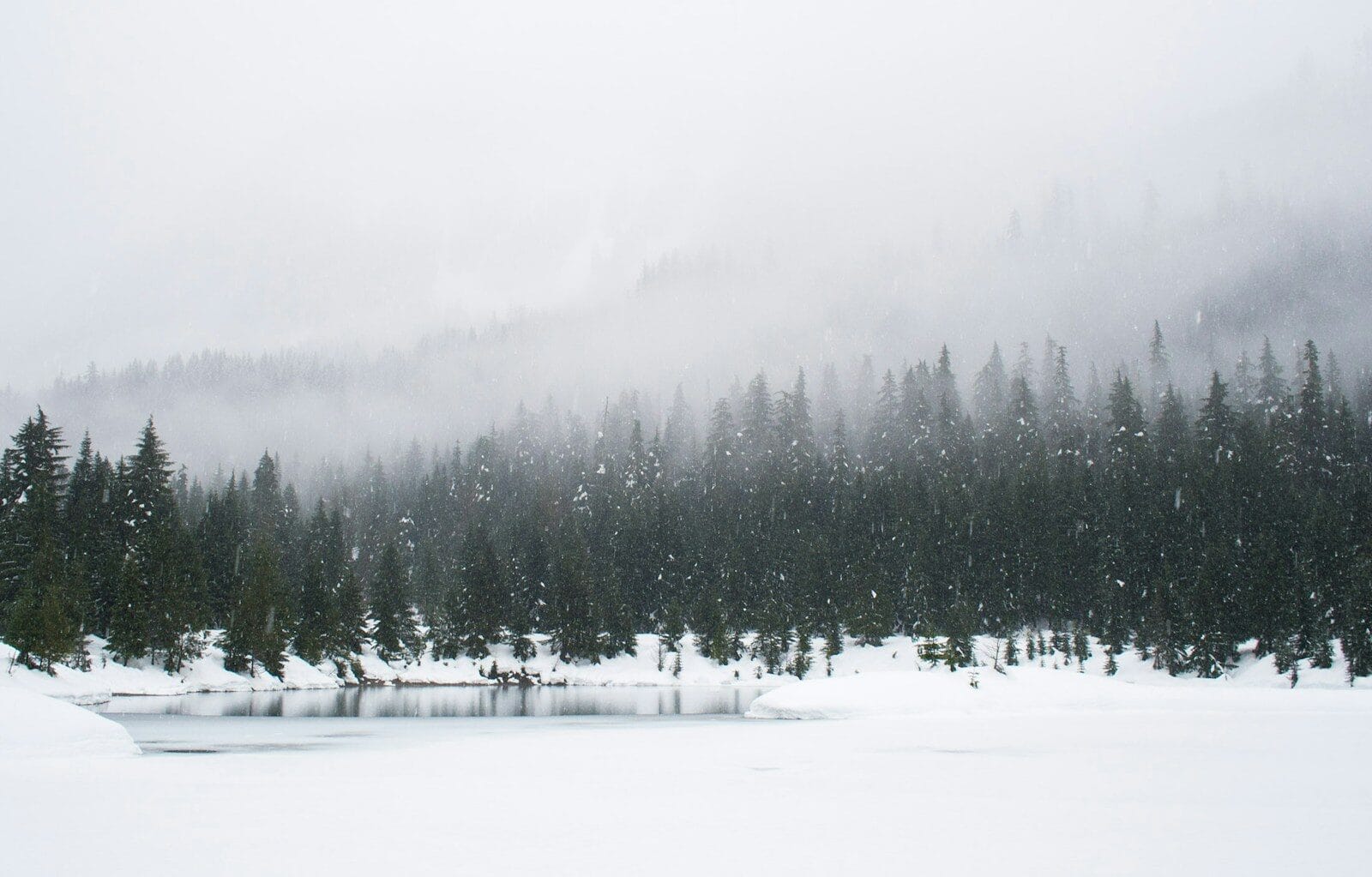
Yes, snow has fallen across Morocco for as long as records exist, and large parts of the country see snow every single winter, especially in the High Atlas, the Middle Atlas, and the Rif highlands. Mount Toubkal, the highest peak in North Africa at 4,167 meters, stays snow capped for several months a year.
The reason is altitude. Morocco’s mountain ranges climb high enough that Atlantic and Mediterranean storms drop snow rather than rain at the upper elevations. The High Atlas, the Middle Atlas, and parts of the Rif all sit above the snow line in winter, which gives the country a reliable ski season from late December into March.
Lower lying cities tell a different story. Marrakech, Casablanca, Rabat, Fes, and Tangier sit at warmer elevations and almost never accumulate snow. There are exceptions. Marrakech recorded a light flurry in January 2005 that locals still talk about, and rural villages in the Rif have seen snow several days a year. The Sahara has been dusted with snow on rare occasions, with the most photographed events happening in Ain Sefra just across the Algerian border in December 2016, January 2018, and January 2021. NASA confirmed substantial snow in the Atlas Mountains in February 2012 and January 2005.
Practical takeaways:
- The mountains get snow every year, especially between mid December and late February
- Cities almost never get snow, so plan a day trip up if you want it
- Oukaimeden is the easiest snow day from Marrakech
- Ifrane and Michlifen are easier from Fes and feel more alpine
- Sahara snow is real but rare, do not plan a trip around it
For families wanting a guaranteed snow experience, Morocco Vacation Planner designs private winter itineraries that combine an Atlas ski day with city stays and Sahara nights, all on a single trip.
Where snow falls in Morocco
Most of Morocco’s snow lands in three mountain systems. The High Atlas in the south central part of the country gets the biggest dumps, often a meter or more on the highest peaks. The Middle Atlas, north of the High Atlas around Ifrane and Azrou, gets less snow but more reliable cold and a longer season. The Rif Mountains in the north, behind Tangier and Chefchaouen, see occasional snow that sticks for a day or two before melting.
Within those three ranges, certain villages and towns sit at the right elevation to turn fully white every winter:
- Oukaimeden in the High Atlas at 2,600 meters
- Imlil in the High Atlas at 1,800 meters, the trailhead for Mount Toubkal
- Ifrane in the Middle Atlas at 1,665 meters
- Azrou in the Middle Atlas at 1,250 meters
- Midelt between the two ranges at 1,500 meters
- Chefchaouen in the Rif at 600 meters, snow possible but not certain each year
Below 1,000 meters, snow becomes unusual. The big tourist cities sit well below that line. Marrakech is 466 meters, Fes is 410 meters, and Casablanca and Rabat are at sea level. So when people ask, does it snow in Morocco, the answer depends on which part of Morocco you mean. In the mountains, yes. On the coast, almost never.
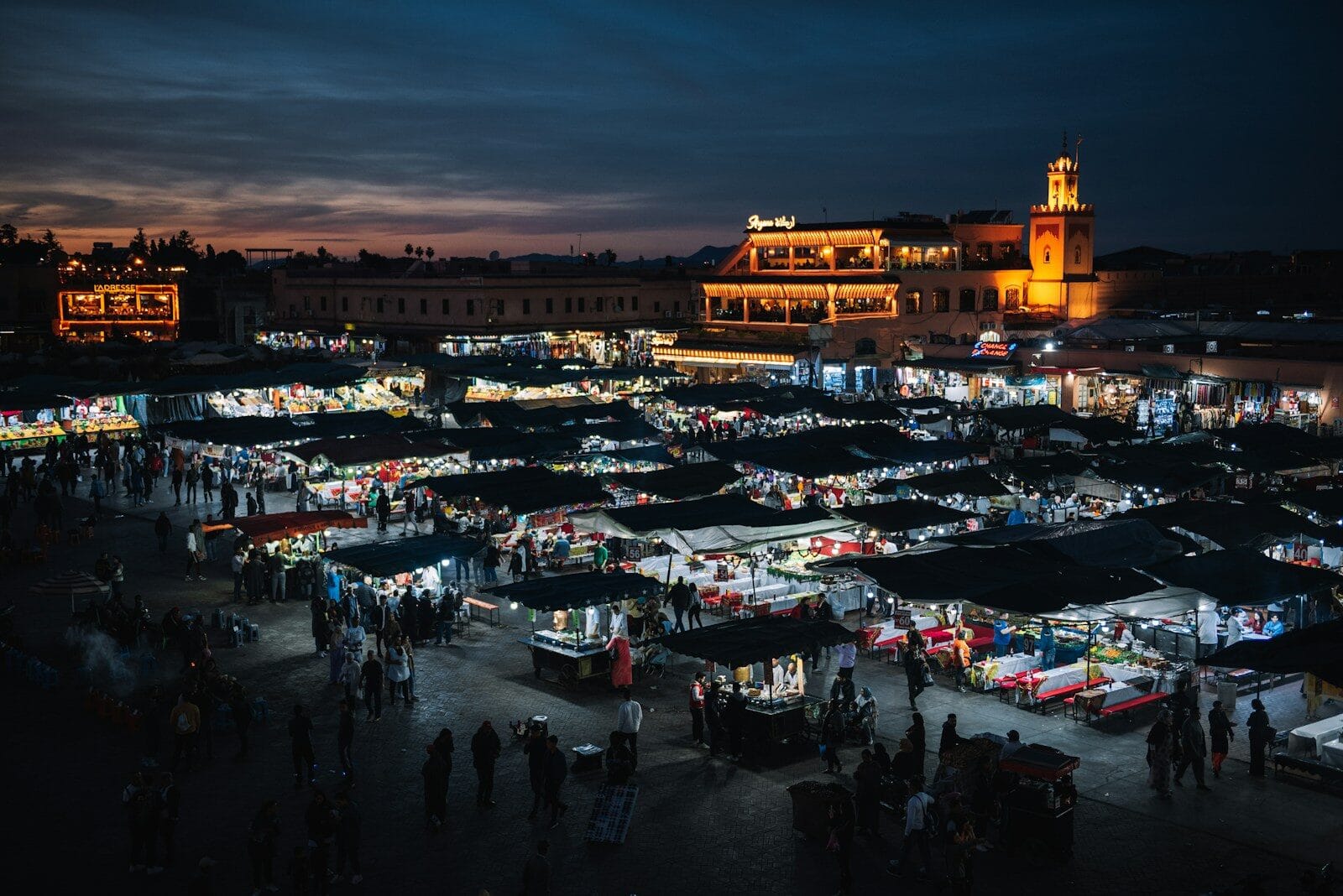
Two hours of driving separates these worlds. You can have lunch in a Marrakech riad courtyard at 22 Celsius and be in snow by mid afternoon. That sharp contrast is the thing most first time visitors talk about for the rest of their trip, and the reason a lot of Moroccans living in the cities only see snow on weekend trips up to the Atlas.
When does it snow in Morocco
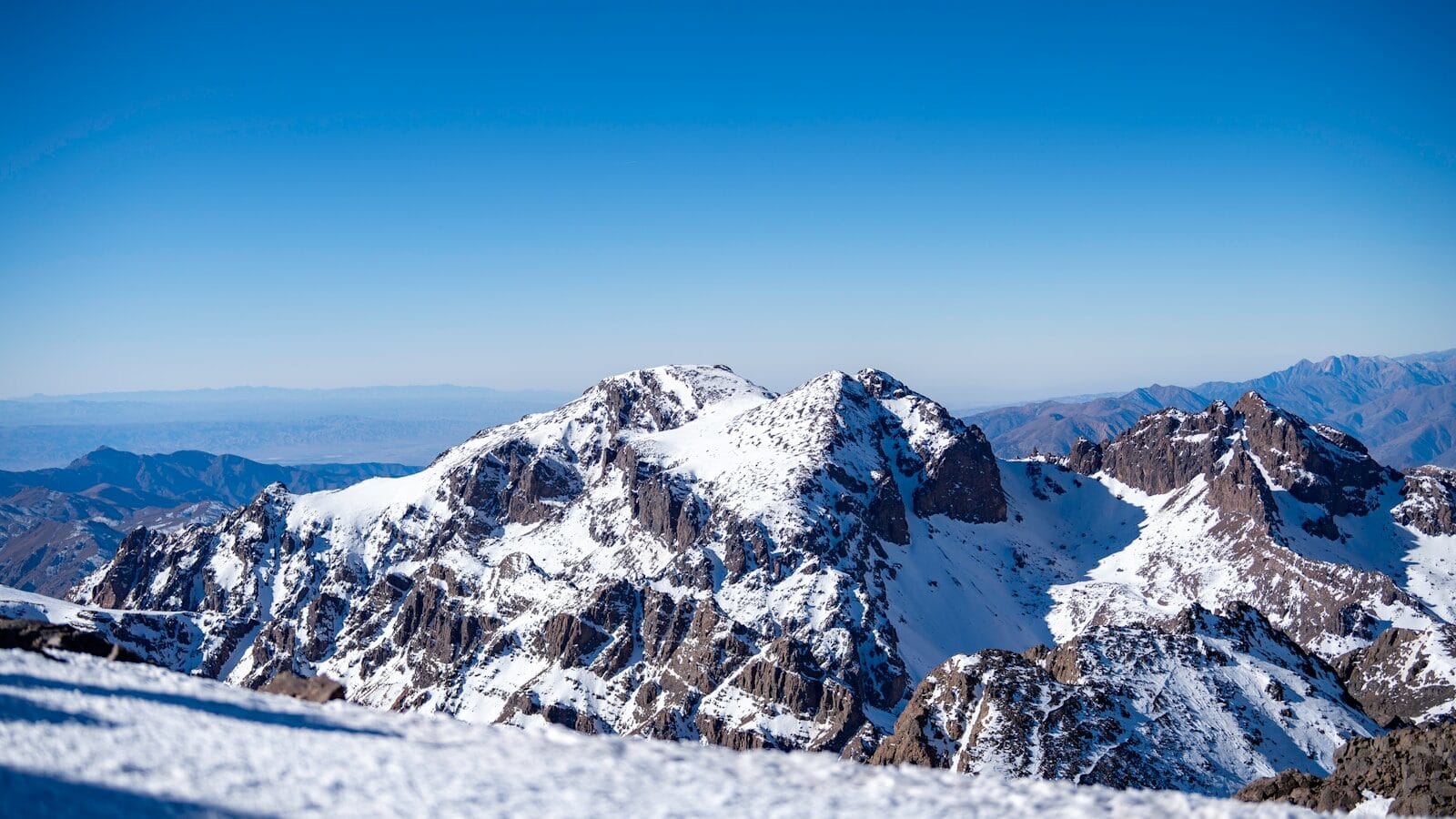
Snow season in Morocco runs from late November to early April, with the most reliable weeks falling between mid December and late February. Different ranges have different rhythms.
In the High Atlas, the first dustings often arrive in November on the highest summits. Real accumulation starts in December. January and February are the heart of the season. Storms move in from the Atlantic, drop heavy snow on Oukaimeden, Imlil, and the slopes around Toubkal, then clear into blue sky days that look like Switzerland with palm trees on the horizon. By late March, lifts can still run on the upper slopes, but lower elevations turn slushy and patchy.
The Middle Atlas around Ifrane runs on a slightly different clock. Snow can fall here as early as October in some years, and the cedar forests stay frosty into April. The Michlifen ski area is smaller than Oukaimeden but more forgiving for beginners and families, and the village feel is closer to a French Alps weekend than a North African day trip.
The Rif Mountains are the least predictable. Some winters bring a foot of snow to Chefchaouen and the high villages behind it. Other winters bring almost nothing. If snow is the main reason for your trip, the Rif is a roll of the dice. The Atlas ranges are not.
For travelers wondering specifically does it snow in Morocco in December, the answer is yes in the High and Middle Atlas, though early December can be patchy. Mid to late January is the safest bet for guaranteed white ground at lower elevations.
The High Atlas Mountains up close
If you want to walk on snow in Morocco without a long drive or a long flight from Marrakech, the High Atlas is the easiest answer. The range runs southwest to northeast across the country, and the road from Marrakech climbs into it fast.
Oukaimeden is the obvious target. Ninety minutes by car from Marrakech, it sits inside a natural bowl that catches snow off Atlantic systems. Even on weekends without skiing, families drive up just to play in the snow, drink mint tea in a small lodge, and turn around for dinner back in the city.
10-day Morocco family tour
Imperial cities · High Atlas · one night under Saharan stars. Family-paced, private driver, kid-tested stops.
Imlil sits lower, at 1,800 meters, and acts as the gateway to Mount Toubkal. In winter, Imlil is one of the most photogenic villages in the country. Walnut trees, mud brick houses, terraced fields, all dusted in white. Local Berber guides run snowshoe walks for families with kids over six, and there are no chairlifts or crowded slopes to navigate.
Mount Toubkal itself draws serious trekkers in winter. The summit climb in January or February requires crampons, an ice axe, and a guide. It is not a family hike. I mention it because many travelers researching snow in Morocco land on Toubkal photos and assume they can walk up. You cannot, not in winter, not without proper equipment and experience.
A note on driving conditions
Snow chains are required on the road to Oukaimeden when there is snow above 2,000 meters. Most rental car companies in Marrakech do not include them. The smarter move is to book a driver who keeps chains in the trunk and knows when to fit them. Roads can ice fast above 2,500 meters, and the route winds tightly through Berber villages where visibility drops in storms.
Ifrane and the Middle Atlas
Ifrane is the easiest way to see snow in Morocco without going up to a ski resort. Locals call it the Switzerland of Morocco, and the comparison is fair. Pitched roofs, log cabin restaurants, evergreen trees, and a famous stone lion sculpture in the town center. In January, the whole place can look like a postcard from Chamonix.
The town sits at 1,665 meters in the Middle Atlas, about an hour south of Fes. Al Akhawayn University, one of the most respected universities in North Africa, is based here, which gives Ifrane a younger and calmer feel than most Moroccan cities. Families often base themselves at one of the small hotels along the main road and use Ifrane as a launch pad for snow days at Michlifen or longer walks in the cedar forest.
Cedar forest walks are the quiet highlight. Just outside town, the Azrou cedar forest is home to wild Barbary macaque monkeys that live in the trees and on the road shoulders. In snow, the monkeys huddle in small groups and watch tourists from low branches. Kids who have never seen wild monkeys do not forget this.
Michlifen ski resort is smaller than Oukaimeden, with shorter runs and gentler slopes. That is exactly why families with first time skiers often prefer it. The cedar forest setting also makes the resort feel less stark than the rocky bowl of Oukaimeden.
The Middle Atlas gets cold but not extreme. Daytime highs in January sit around 6 to 10 Celsius, with nights dropping below freezing. So when people ask does it snow in Morocco enough to feel like winter, the Middle Atlas is the clearest yes.
Skiing in Morocco at Oukaimeden
Oukaimeden is the highest ski resort in Africa. The skiable terrain runs from 2,600 meters at the base to 3,200 meters at the top, with a single old chairlift and several drag lifts servicing about ten runs. The infrastructure is not what you would find in the Alps. It is older, the lift system is dated, there is no snowmaking, and conditions depend entirely on natural snowfall.
That is the trade. What you get instead is a ski day with views over snow covered peaks and brown desert plains in the same panorama, a lift ticket that costs a fraction of a European day pass, and the strange feeling of skiing 75 km from a city where bougainvillea is blooming.
Best time to ski: January and February. Late December can work in good snow years, and March hangs on at the higher elevations. Outside those months, the season is unreliable.
Lift ticket cost: Around 250 dirhams per day, roughly 25 US dollars at the time of writing. Compare that to 80 to 120 euros at a mid sized European resort.
Rental gear: Available on site for around 200 dirhams a day. The equipment is older than what European resorts hand out. Boots may not fit well. If you ski seriously, bring your own boots at minimum.
Lessons: Available, but the instructor pool is small and English fluency varies. Booking ahead through a Marrakech tour operator is usually smoother than trying to arrange it at the lift base.
Family skiing tips
The beginner nursery slope at the base is well kept and works for kids learning the basics. There is also a separate sledding area which younger children often enjoy more than skiing itself. Most families I have spoken to in Oukaimeden say the sledding day, not the ski day, was the highlight for their kids under eight.
Bring a thermos. Food at the resort is basic and overpriced. A flask of hot Moroccan mint tea and a few sandwiches saves you from a sad cafeteria lunch.
Does it snow in Morocco’s cities?
Short answer: almost never. Long answer: very occasionally, and for only a few hours.
Casablanca: No, basically never. Casablanca sits at sea level on the Atlantic coast. Winter daytime highs run 17 to 19 Celsius. Cold rain happens. Snow does not.
Rabat: Also no. Same climate as Casablanca. The capital sits on the coast about 90 km north of Casablanca with similar mild winters.
Tangier: Tangier sits at the northern tip of the country looking across the strait at Spain. It is cooler than Casablanca in winter, with rain and wind common, but snow at street level is extremely rare. The hills behind Tangier in the Rif have seen snow more often than the city itself.
Need help with transportation in Morocco?
Book a reliable private driver for your Morocco family adventure today — personalised routes designed just for you.
Marrakech: The city itself recorded a brief snow event in January 2005 that locals still talk about. Beyond that, snow in central Marrakech is so unusual it makes the news when it happens. The peaks visible from the city, on the other hand, go white every winter and form the postcard backdrop for the whole place.
Fes: Sits at 410 meters in a basin. Cold in winter, with nights near freezing, but accumulation is rare. You might see a brief flurry once every few years.
So when readers ask does it snow in Morocco’s cities, the truthful answer is to manage expectations. The cities give you cold mornings, hot mint tea, and clear days with snow on the horizon. They do not give you snow on the streets. For that, you drive up.
If you want a winter trip that combines warm city days with one mountain snow day, the standard route is a Marrakech base plus a day trip to Oukaimeden. From Fes, the equivalent is a Fes base plus a day trip to Ifrane.
Does it snow in Morocco’s Sahara desert?
This is the question that gets the most clicks. The answer is yes, but with massive caveats.
Snow on Saharan dunes has happened. The most famous events were in Ain Sefra, a town on the Algerian side of the border just east of Morocco, in December 2016, January 2018, and again in 2021. Photos of orange dunes dusted in white traveled around the world that winter. NASA satellites confirmed accumulation of up to 30 centimeters at higher elevations during the January 2018 event. The Moroccan side of the border, in similar geography, has had occasional light dustings in the same weather systems.
This is not something you can plan a trip around. The snow lasts hours, not days. It happens once every few years, not annually. Most years, the Moroccan Sahara stays warm even in winter, with daytime highs in Merzouga and Erg Chebbi running 15 to 22 Celsius in January.
If your goal is to see Moroccan sand and Moroccan snow on the same trip, do not look for them in the same place. Do the High Atlas for snow on day three, the Sahara for camel rides and dune sunsets on day six. That itinerary works every winter, and Morocco Vacation Planner builds it routinely for family groups who want both extremes in one week.
For the small chance of seeing does it snow in Morocco’s desert, you would need to be in or near Ain Sefra or the very high Saharan Atlas during a cold Atlantic storm in deep winter. The odds are real but slim.
Visiting Morocco with kids during snow season
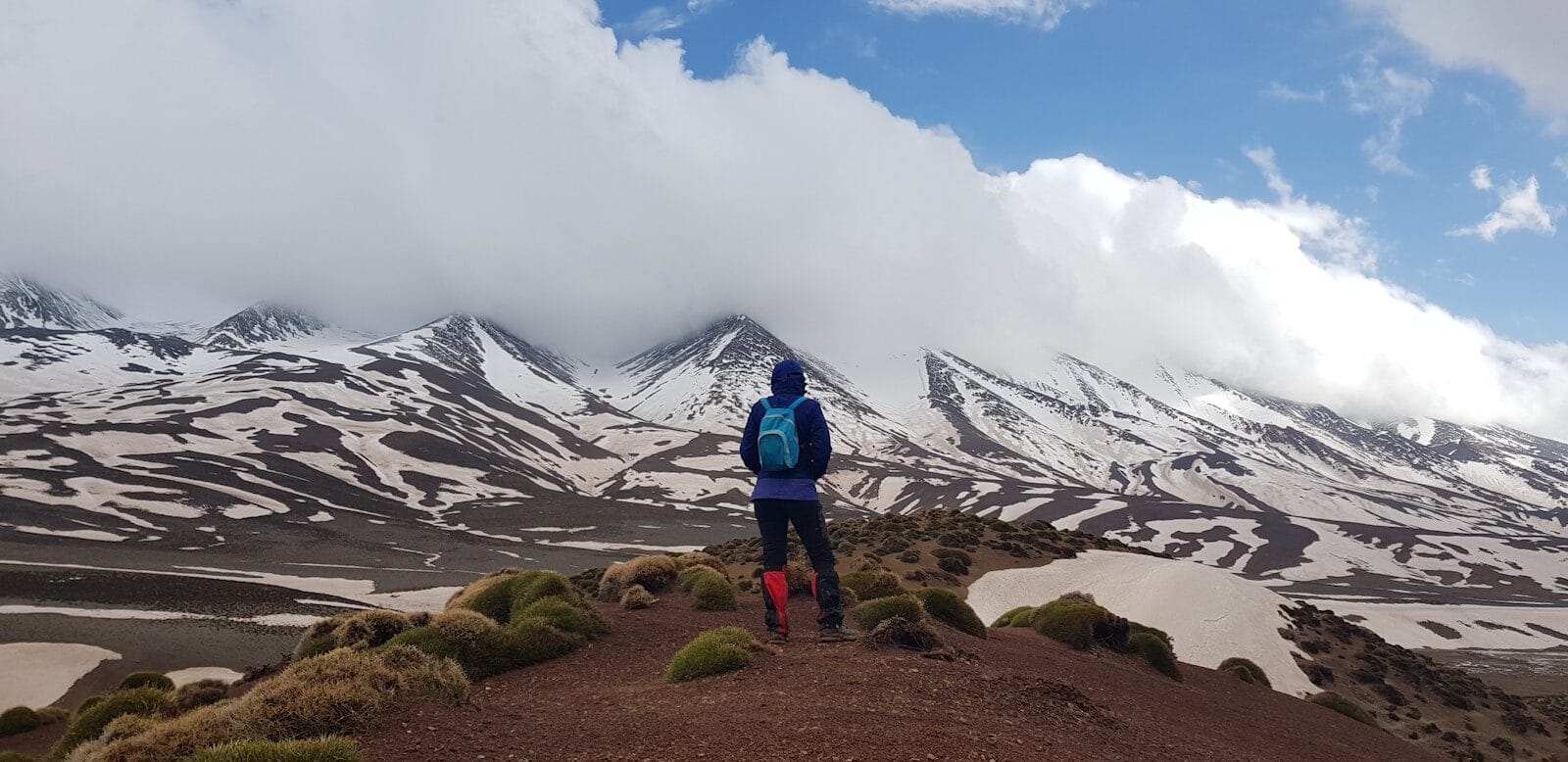
Winter is one of the best times to bring kids to Morocco. The country empties out compared to peak summer, the medinas are calmer, and the temperature swings keep things interesting for children who get bored of straight beach weather.
A typical winter week with kids looks like:
- Two days in Marrakech, exploring the souks and Jardin Majorelle
- One day trip to Oukaimeden for snow play or skiing
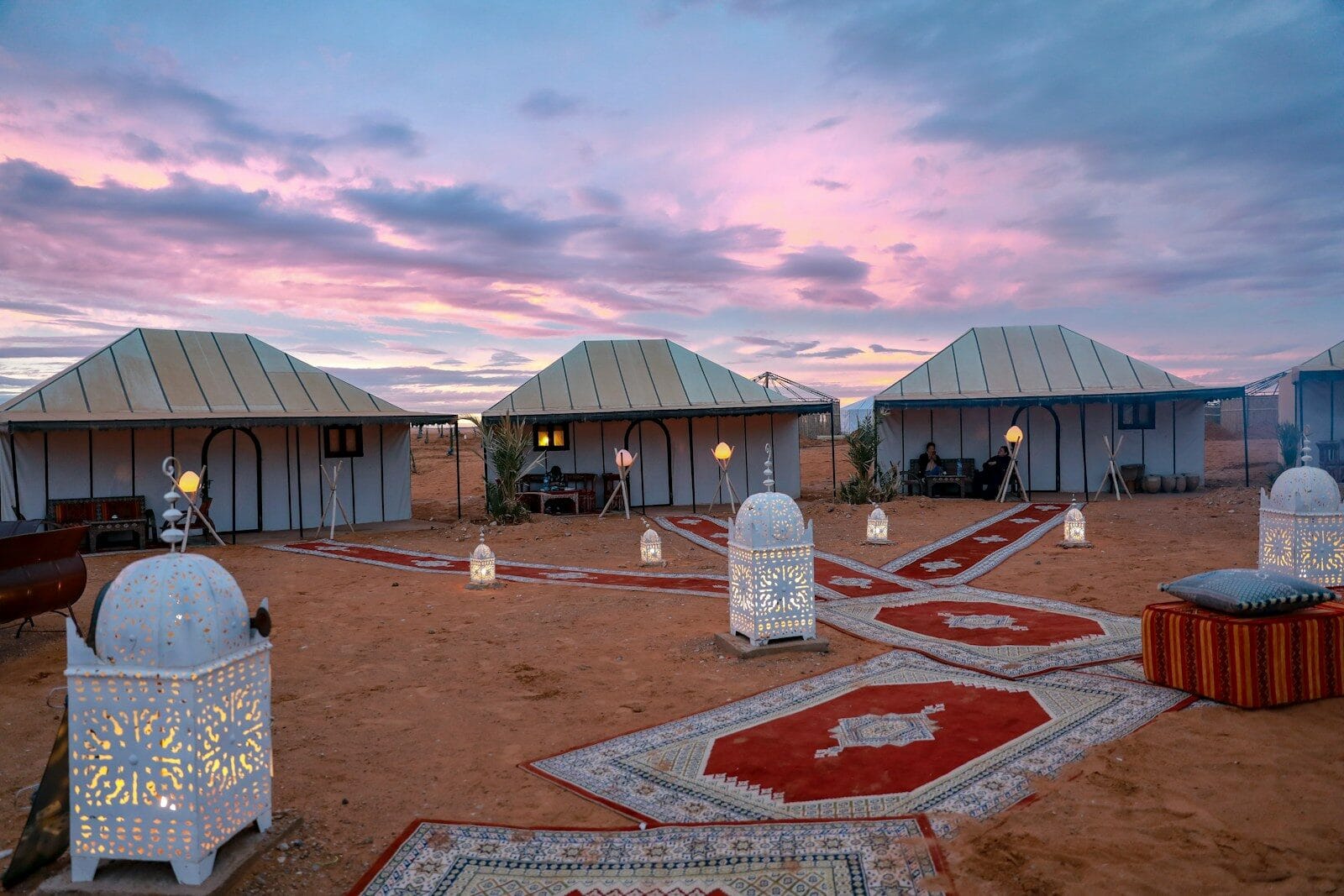
- Two days in the desert at Merzouga or Zagora, with camel rides and a night in a dune camp
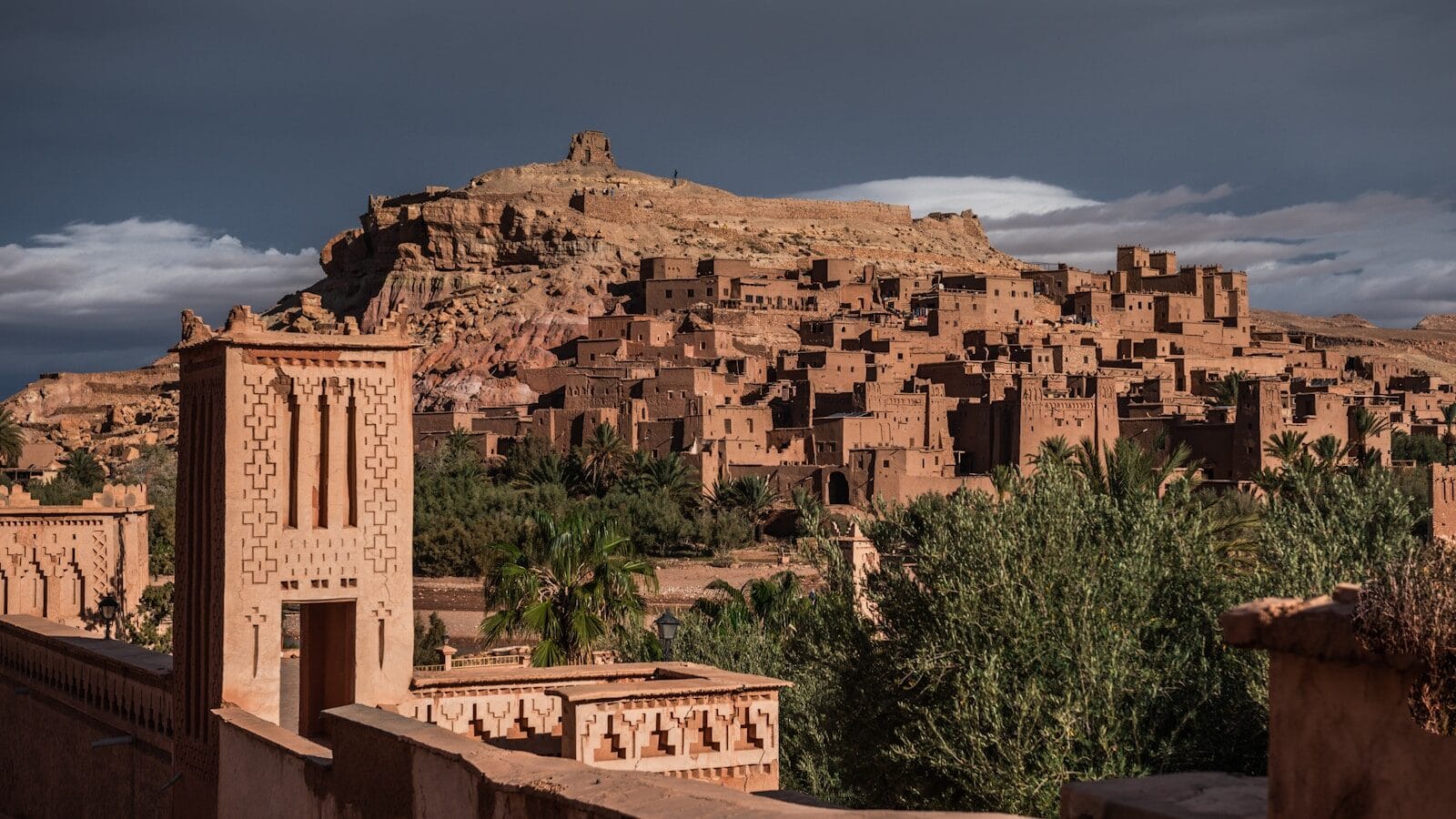
- One day in the Atlas, in a Berber village like Imlil or Ait Ben Haddou
- One transfer day for travel between regions
Kids remember the contrast more than any individual stop. Snowball fights at Oukaimeden one morning, camel rides on warm dunes three days later, hot tagines in between. The trip becomes a geography lesson without anyone calling it that.
Practical considerations for younger travelers:
- Toddlers do better in Ifrane than Oukaimeden. Ifrane has flatter ground, easier walks, and warmer hotels.
- Kids over six can manage Oukaimeden if dressed properly. Hats, gloves, waterproof boots, layers.
- Altitude sickness is rare but possible at Oukaimeden’s 2,600 meters for very young kids. Go up slowly, drink water, descend if anyone feels off.
- Winter daylight is shorter. Sun sets around 5:45 in January. Plan your mountain returns before dark.
Older children, especially teens, often remember a Moroccan snow day more vividly than any other moment of the trip. There is something about putting on a ski jacket in a country they associated with desert sand that resets how they think about the world.
What to pack and how to plan a winter trip
Packing for a Morocco winter trip is more layered than people expect. The temperature range across a single day, from mountain snow to city evening, can swing 25 degrees.
Base layer: Merino or synthetic, top and bottom. Cotton stays wet and cold.
Mid layer: Fleece or down sweater for warmth. A medium weight wool sweater works well.
Outer layer: Waterproof and windproof shell jacket and pants. Snow at Oukaimeden is often wet, especially on warmer days.
Accessories: Hat, gloves, sunglasses with strong UV protection (mountain sun on snow is brutal), warm socks, waterproof boots.
12 & 14-day grand family tours
Add Chefchaouen, the Atlantic coast, or two nights in the dunes. Slow mornings, shorter drives, room for grandparents and toddlers.
For Marrakech and the cities: A regular jacket and sweater plus jeans work fine. Daytime highs run 18 to 22 Celsius. Evenings drop to 8 to 10 Celsius.
For the desert: Daytime is warm, around 18 to 22 Celsius in January. Nights drop to 0 to 5 Celsius in the Sahara. Bring a warm sleeping setup if you stay in a dune camp.
For Oukaimeden or Ifrane: Full ski day kit. Even if you are not skiing, the snow play setup is the same.
A common mistake is packing only for warm Morocco or only for snowy Morocco. You need both, in the same suitcase. Soft luggage handles the layering better than rigid cases.
For booking, winter is the off season for Marrakech hotels and the peak season for ski lodges in Oukaimeden and Ifrane. That asymmetry works in your favor. You can stay in a beautiful riad at half the summer rate, then pay a small premium for a mountain hotel weekend.
Photography in snowy Morocco
If you are bringing a camera, the snow season opens up shots you cannot get any other time of year.
The contrast between snow and the country’s natural color palette is what makes Moroccan winter photos go viral. Red mud brick villages against white snow. Palm fronds with frost on the tips. The pink walls of Marrakech with the white Atlas behind them. Berber rugs hung out to dry against a snow covered slope.
The best windows are early morning and late afternoon. The Atlas light at sunrise turns the snow gold and pink for about twenty minutes before it goes white. Sunset does the same in reverse, with longer shadows in the bowl at Oukaimeden.
Specific spots worth scouting:
- Imlil at first light, looking up at Toubkal
- Lake Oukaimeden when frozen and dusted with snow
- The cedar forest near Azrou during a fresh snowfall, with macaque monkeys in the trees
- The road between Tahanaout and Oukaimeden, where you can stop and shoot Berber villages from above
- Marrakech rooftops at sunset with the snow capped peaks behind, best from a riad terrace in the old medina
When travelers research does it snow in Morocco for the visuals, these are the shots that pull them in. Drone use is restricted in Morocco. Officially, you need a permit from the Ministry of the Interior and most travelers do not get one. Stick to ground level photography to avoid issues at customs and during the trip.
Final thoughts
Yes, does it snow in Morocco. Every winter, in the High Atlas, the Middle Atlas, and the Rif. Sometimes in the Sahara. Rarely in the cities, but visible from many of them. The country is bigger and more layered than most travelers expect, and winter is when those layers show themselves most clearly. You can ski in the morning, drink mint tea on a sunny terrace in the afternoon, and watch a sunset over palm trees the same evening.
For families, the contrast is the point. A snow day at Oukaimeden or Michlifen gives kids a memory that travels home with them, and the trip costs less in winter than it does in summer high season. Hotels are quieter, medinas are calmer, and the country feels less crowded everywhere outside the ski resorts themselves.
If you are planning a winter trip, give yourself at least a week. Two days in Marrakech, one in the High Atlas snow, two in the desert at Merzouga, and one in transit gives you the full picture. Add another two days in Fes and Ifrane if you have the time, and you will have seen the country in all its seasons in a single week.
Morocco Vacation Planner designs Private Family Tours in Morocco for Kids, Teens & Toddlers. Plan your perfect family trip to Morocco with custom private tours built for families traveling with toddlers, kids, and teens. You get family friendly experiences, trusted local guides, and handpicked comfortable stays from the medinas all the way to the Sahara.
FAQs
Does it snow in Morocco in December?
Yes, does it snow in Morocco in December, mostly in the High Atlas Mountains above 2,000 meters and in the Middle Atlas around Ifrane and Azrou. Early December can be patchy, but by mid month the higher slopes around Oukaimeden usually have enough cover for sledding and beginner skiing. Cities stay mild, with Marrakech daytime highs around 18 to 20 Celsius.
Has it ever snowed in Marrakech?
Yes, Marrakech recorded a brief snow event in January 2005 that locals still talk about. Snow inside the city itself is otherwise extremely rare because Marrakech sits at only 466 meters elevation. The snow you see in Marrakech winter photos is almost always on the Atlas peaks visible behind the city, not on the streets themselves.
What is the coldest month in Morocco?
January is the coldest month across most of the country. Mountain temperatures in Oukaimeden and Ifrane regularly drop below minus 5 Celsius at night, while Marrakech sits around 8 to 10 Celsius overnight. Coastal cities like Casablanca and Rabat stay milder, with January night lows around 7 to 9 Celsius. So does it snow in Morocco’s coldest month? Yes, reliably, but in the mountains rather than the cities.
How often does it snow in Morocco?
Snow falls in Morocco every winter in the mountain ranges, often multiple times between December and March. In the cities, snow is rare, happening once every five to fifteen years depending on the location. So does it snow in Morocco regularly? Yes, but mostly above 1,500 meters elevation, and almost never below 600 meters.
Which city has snow in Morocco?
Ifrane is the Moroccan town most associated with snow at street level. It sits at 1,665 meters in the Middle Atlas and sees snow most winters, often heavily enough to cover roofs and roads for days at a time. Azrou, Midelt, and high villages in the Rif also see regular snowfall. Larger cities like Marrakech, Fes, Casablanca, and Rabat rarely do. When asking does it snow in Morocco at street level, Ifrane is the clearest yes.