Weather in Morocco in January: A family travel guide
January in Morocco is the month most people misunderstand. They picture sweaty markets and camel rides under a blistering sun, then arrive in Marrakech with shorts and a tank top, only to find themselves shivering at 7am while their riad pumps weak heat into a tiled bedroom. The weather in Morocco in January is real winter, especially after dark and in the mountains, but it is also one of the best windows of the year for a calm, uncrowded trip if you pack the right way.
You are about to read what each region of Morocco actually feels like during this month, broken down by city, with honest advice on what to wear, what to do with kids, where to stay warm, and which events are worth planning around. The numbers come from long-term climate data. The tips come from years of moving families through the country in this exact month.
Whether your first stop is Marrakech, Casablanca, Fes, or the dunes of Merzouga, the goal here is to help you arrive prepared and leave with stories worth telling.
Quick takeaways
- Daytime temperatures sit between 14°C and 20°C in most of Morocco in January, with coastal cities milder than inland cities and the Sahara warmer than the Atlas Mountains.
- Nights get cold, often dropping to 5°C in Marrakech and Fes, near freezing in the Atlas, and around 8°C in Casablanca.
- Rain falls mostly on the coast between Tangier and Casablanca, with about 8 to 11 rainy days expected during the month.
- The weather in Morocco in January favors slow travel: shorter daylight hours mean you finish sightseeing by 5pm and head straight for mint tea.
- Layer everything: a base layer, a sweater, a warm jacket, and a scarf will carry you through any region, including a desert night.
- January is low season, so flights, riads, and private tours come in cheaper than any other month except February.
- Two events worth planning around: the Marrakech Marathon in late January and Yennayer (Amazigh New Year) on January 12.
Is January a good month to visit Morocco?
Yes, January is one of the best months to visit Morocco for travelers who prefer thinner crowds, lower prices, and cooler sightseeing weather over beach heat. The weather in Morocco in January is mild during the day, dry inland, and well below summer levels, which makes it ideal for medinas, mountains, deserts, and food.
The reasoning is simple. From June to September, Marrakech regularly pushes above 35°C, which makes long walks in the medina exhausting, especially with kids. January flips that. Daytime highs of 18°C let you walk for hours without needing a break. The same applies to Fes, the desert valleys, and the imperial cities. Air quality is better, the light is softer, and photos come out cleaner.
However, there are situations where January is harder. If you have a baby under two, the cold nights in Marrakech riads can be a challenge because traditional riads heat slowly and unevenly. If you came specifically for the beach, Agadir and Essaouira have sun but the Atlantic is too cold for swimming, with sea temperatures around 16°C to 17°C. And if your heart is set on a high Atlas trek above 2,500 meters, snow and ice will close some routes.
Practical points to take into your planning:
- Book a riad with proper central heating or a modern hotel, especially in Fes and Marrakech where medina houses run cold at night
- Choose your dates around rain: the first ten days of January are statistically the wettest stretch
- Bring real winter clothes if you plan a Sahara overnight or any drive through the Atlas Mountains
- Plan one rest day per three travel days with toddlers, because the cold shortens little legs faster than the heat does
- Avoid the New Year week for lower prices, since Marrakech spikes between December 28 and January 3
A private trip with Morocco Vacation Planner in January is built around all of these realities: heated stays, child friendly pacing, and routes that match the day’s weather instead of fighting it.
What the weather in Morocco in January really feels like
The weather in Morocco in January does not feel uniform. The country covers five climate zones, and January is the month when those differences hit you the hardest. In one week you can walk Marrakech in a fleece at midday, freeze in a Berber village at sunrise, and dig out your jacket for a Sahara night under stars.
Coastal cities feel like a wet Mediterranean winter. Casablanca, Rabat, and Tangier carry a damp chill, especially in the morning, with grey skies more days than not. The Atlantic wind makes 13°C feel closer to 9°C.
Inland is the opposite. Marrakech and Fes have dry, sunny afternoons with skies the color of old denim. The drop between day and night is dramatic, often 12 to 15 degrees. By 5pm, the air thins fast and any wall in shade goes cold to the touch.
In the desert, days are warm enough for short sleeves around midday. Nights swing the other way, hard. A Merzouga camp at 4am can feel like an alpine hut, with frost on the tents and your breath visible. Dress for the temperature swing and you will love every minute of it.
In the Atlas Mountains, January is full winter. Snow covers Toubkal, Ifrane, and Oukaïmeden. The ski lifts at Oukaïmeden run on weekends, and Imlil at 1,800 meters is freezing at night.
This variation is the reason most generic articles get this wrong. There is no single Moroccan January. The coast, the inland cities, the desert, and the mountains all have their own version, and your packing list needs to cover whichever ones touch your route.
Weather in Morocco in January by city
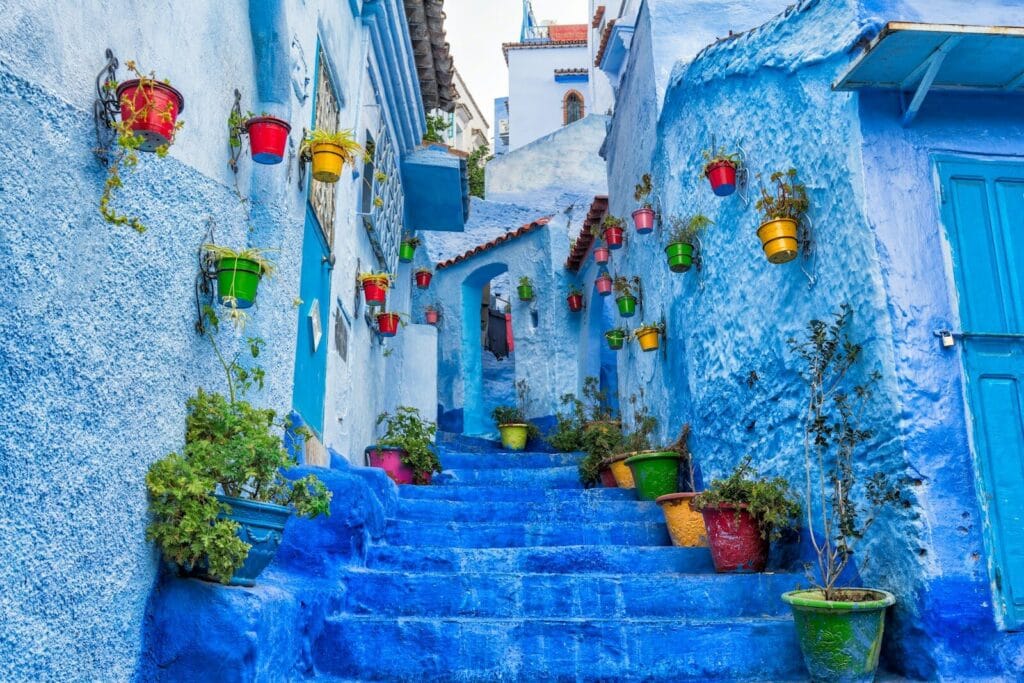
Here is the city by city breakdown families ask for most often. Numbers are based on long-term averages from Climate-Data.org and Climates to Travel.
Marrakech in January
Marrakech in January is dry, sunny, and surprisingly chilly after dark. Daytime highs sit between 17°C and 20°C (63°F to 68°F). Nights drop fast, often hitting 5°C to 7°C (41°F to 45°F). Rain shows up on about 5 to 7 days during the month, and most riads will need extra blankets even with heaters running.
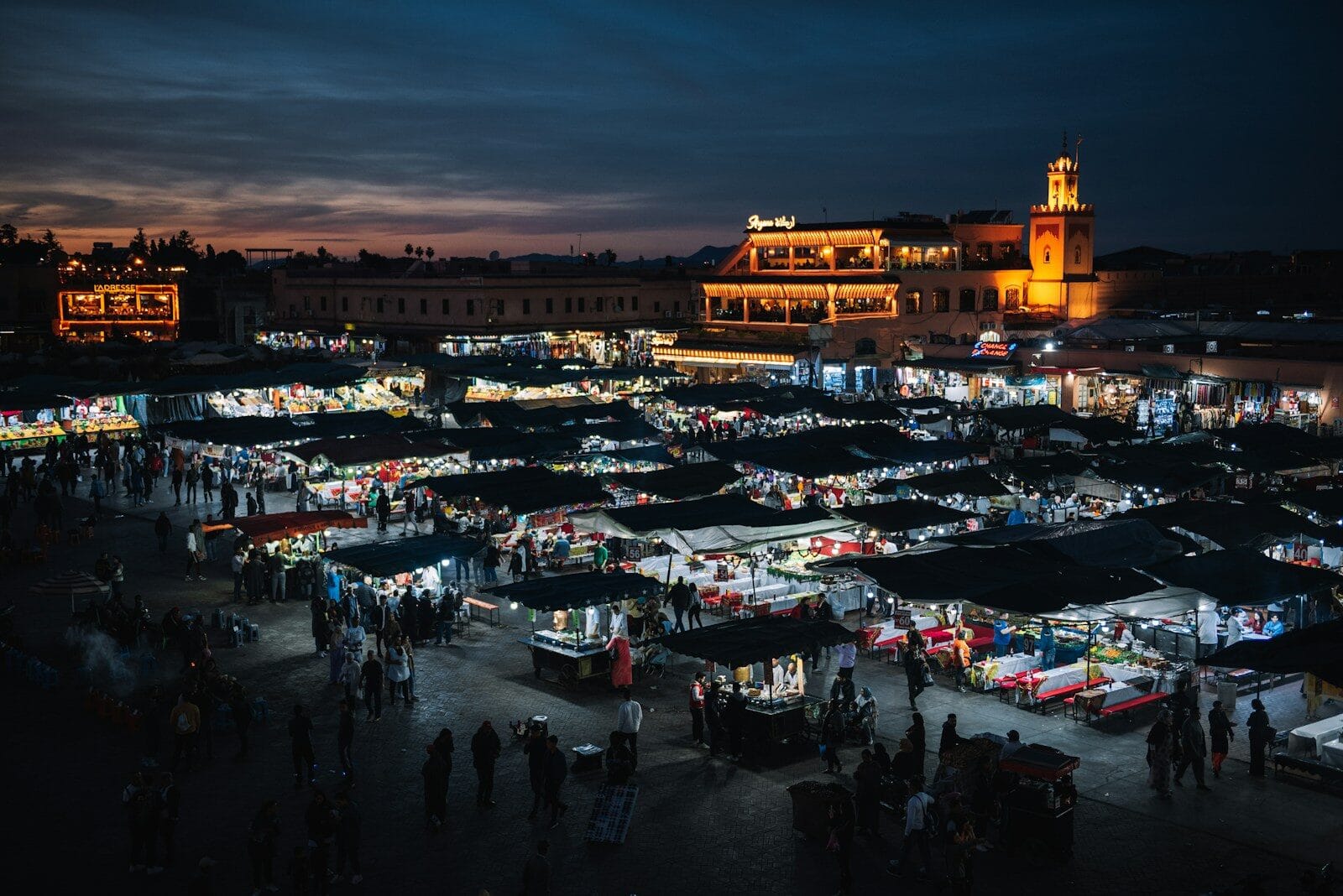
The light here is the cleanest of the year. Photographers love January for this reason. Jemaa el-Fnaa at sunset photographs better in January than in any summer month, with cleaner skies and richer red walls.
Casablanca and Rabat in January
The two big coastal cities feel similar. Highs sit around 17°C (62°F), lows around 8°C (46°F), with 8 to 10 rainy days. The damp is the thing to plan for. Bring a light waterproof jacket and shoes that handle wet pavement.
Fes in January
Fes is the coldest of the imperial cities. Highs run 14°C to 16°C (57°F to 61°F), and nights drop to 4°C or 5°C (39°F to 41°F). The old medina has a particular kind of January cold because stone walls hold the chill and narrow alleys block the sun. Pack heavier here than for Marrakech.
Tangier in January
Tangier feels Mediterranean: mild, damp, and often grey. Highs around 16°C, lows around 9°C. The wind from the Strait of Gibraltar makes the chill bite. Strong sunny stretches do happen, especially in the last week of January.
Merzouga and the Sahara in January
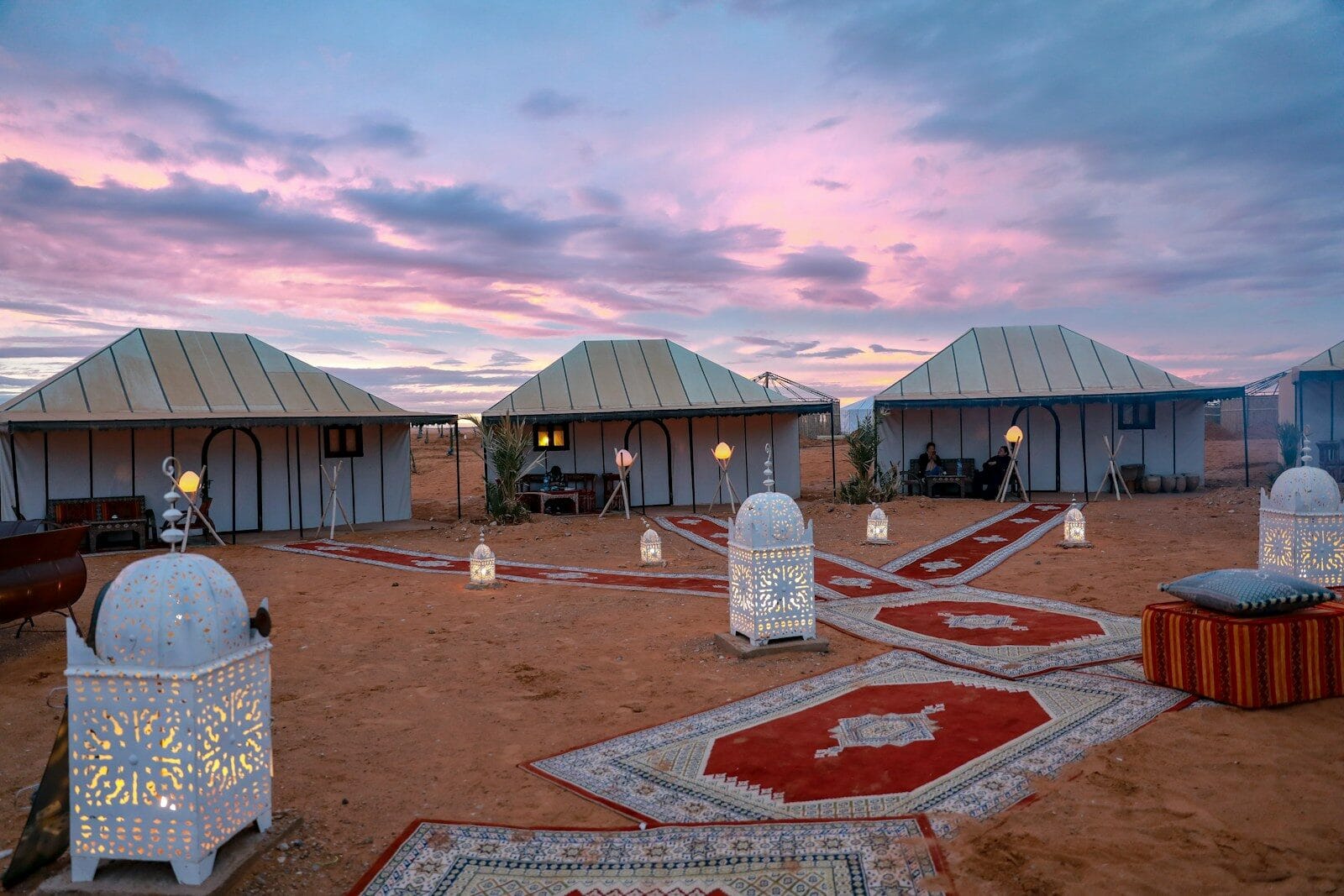
This is the surprise of any trip. Daytime in Merzouga hits 18°C to 22°C (64°F to 72°F) on most days. At night, it can fall to 2°C to 5°C (36°F to 41°F). The cold is dry, not damp, so it is easier to handle as long as you have layers. Camel rides at sunrise need gloves and a wool hat. Camps provide heavy blankets, but bring thermals for the under-layer.
Agadir in January
The warmest commonly visited city in January. Highs around 20°C (68°F), lows around 9°C (48°F). Sunny most days, with only 4 to 5 days of rain. Beach walks are pleasant, but the sea is too cold for swimming for most visitors.
Which part of Morocco is warmest in January?
The warmest part of Morocco in January is the Atlantic coast south of Agadir, including Taghazout, Mirleft, and Tan Tan. Daytime highs there sit at 20°C to 22°C (68°F to 72°F), with lows around 11°C (52°F). This stretch gets more sun than anywhere else in the country during winter and far less rain than the north.
If you are chasing warmth in January and want to surf, Taghazout is the spot. The water is cold but surfable in a 4mm wetsuit, and the air is pleasant for sitting on the beach in long sleeves.
10-day Morocco family tour
Imperial cities · High Atlas · one night under Saharan stars. Family-paced, private driver, kid-tested stops.
Inland, the warmest pockets are the Drâa Valley around Zagora and the southern oases like M’Hamid. Days reach 20°C to 24°C on sunny stretches. The nights swing cold there too, but daytime is reliable shirtsleeve weather.
Less commonly mentioned: the Souss-Massa plain inland from Agadir. Temperatures sit a few degrees warmer than coastal Agadir because the cold Atlantic current cools the immediate shoreline more than the plain.
For families specifically chasing warmth without a long flight, the southern coast around Agadir works well in January because flights from European hubs land there directly, the resort areas have heated pools, and Berber villages a short drive inland are accessible all month. Combined with day trips to the Souss-Massa National Park to spot bald ibis birds and gazelles, it makes a January family trip in shirts and light fleece feasible.
One thing to factor in: even the warmest part of Morocco can swing cold at night. A January evening in Agadir on the seafront can hit 9°C, which is bearable in a fleece but uncomfortable in a tank top. Locals layer up after sunset like everyone else.
So if January warmth is the brief, go south. Agadir as a base, Sahara as a road trip, and you skip the cold rain of Casablanca and Tangier entirely.
What to wear in Morocco in January
The packing list for a January trip to Morocco is the question we get asked most by families. Here is the short version, broken down by what you actually wear each day.
Base layer: A long sleeve thermal top, especially for a desert overnight or going into the Atlas. Merino wool is worth the money. Cotton stays damp and cold.
Mid layer: A regular sweater or fleece. Two of these if you tend to feel cold.
Outer layer: A warm jacket. Down or synthetic puffer works best, because it packs small and beats the night chill. A separate waterproof shell helps on the coast.
Trousers: Long trousers most days. Jeans are fine for cities. For the desert and mountains, hiking trousers or thicker pants do better.
Shoes: Closed shoes with grip. Leather boots or sturdy trainers. Sandals will be miserable.
Accessories: Scarf, gloves, beanie. All three for the Sahara and Atlas. Just the scarf for Marrakech most days.
For kids: Add an extra layer of everything. Children lose heat faster than adults, and a cold child is a cranky child. A thermal onesie under regular clothes works wonders in a chilly riad.
For toddlers: Pack a warm sleep sack or extra blanket. Many riad beds are not heated overnight.
By midday, you will probably peel off the jacket. In Marrakech and the Sahara, the sun is genuinely strong and the air dry. Sunglasses and sunscreen still matter, even in January.
The mistake most travelers make is packing as if Morocco is uniformly warm. The weather in Morocco in January punishes that assumption. Pack for three temperatures (cold morning, warm noon, cold night) and you will be comfortable everywhere.
Things to do in Morocco in January
Cool weather opens doors that summer closes. The medinas are walkable all day. Long drives become pleasant. Trekking the lower Atlas is excellent, and even the Sahara is more comfortable than people expect.
Walking the imperial cities
Marrakech, Fes, Meknes, and Rabat reward full days of walking in January. You can spend 6 hours in Jemaa el-Fnaa, Bahia Palace, Majorelle Garden, and the souks without overheating. Fes el Bali, with its narrow alleys and tannery, is one of the great winter walks anywhere.
Sahara desert overnight
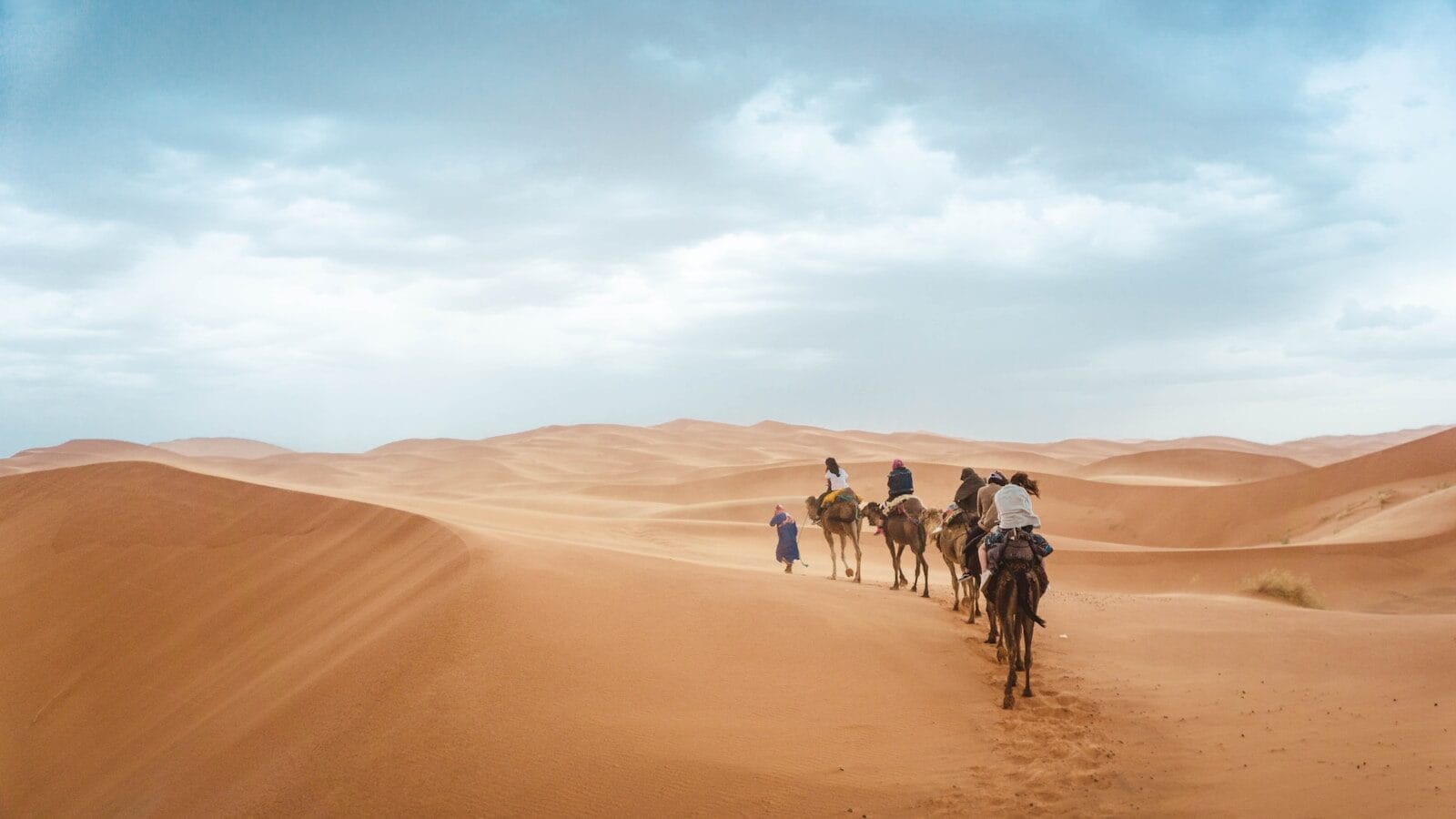
Counter to what most people assume, January is a strong month for the Sahara. The dunes glow gold under a sun that is warm but not punishing. Stargazing on a clear January night near Merzouga or Erg Chigaga is unforgettable, with the Milky Way visible in a way it never is from any city.
Skiing in Oukaimeden
Yes, Morocco has skiing. Oukaimeden, about 75 km from Marrakech, runs lifts on weekends in January when snow allows. Lift tickets cost a fraction of European resorts. It is not the Alps, but it is a fun half day for kids who have never seen snow.
Day trips from Marrakech
The Ourika Valley, Asni, Imlil, and the Ouzoud Waterfalls all sit within two hours of Marrakech. Ouzoud is at its strongest in January, fed by winter rains, and the spray on a sunny day is a memory worth a day trip.
Souk shopping and tea
The carpet shops of Fes and Marrakech are at their friendliest in January because the crowds are gone. Shopkeepers have time to make you the long tea, show you everything, and bargain in a relaxed way. This is the month to invest in a serious carpet or lantern.
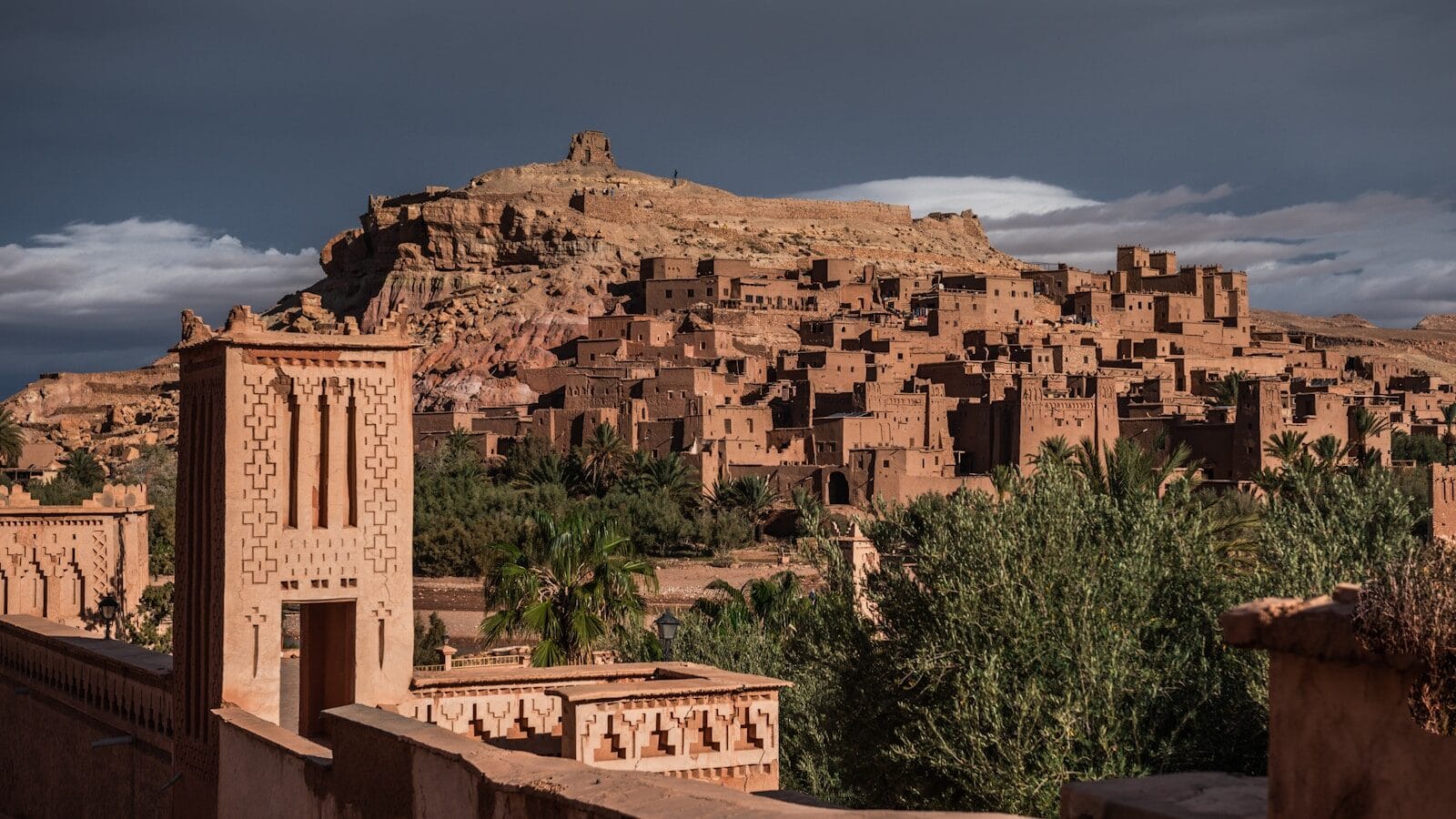
The weather in Morocco in January also means small mountain villages are reachable on dry roads most days. Drives over the Tizi n’Tichka pass to Ait Benhaddou are open most of January but can close after heavy snow, so check the forecast 24 hours before.
Morocco in January with kids
Traveling Morocco with kids in January is easier in many ways than in summer. Cooler weather means kids do not melt down by 11am. Sun protection is simpler. Long car rides are tolerable instead of brutal. The medinas are calmer, which makes them less overwhelming for young children.
Need help with transportation in Morocco?
Book a reliable private driver for your Morocco family adventure today — personalised routes designed just for you.
The main thing to plan around is the night cold. Here are the moves that work for families:
- Choose riads with central heating, not just space heaters. Ask before you book. Many older riads only have one heated room.
- Bring kids’ thermal pajamas. This single item changes the trip.
- Have a daily nap or quiet hour back at the riad. Cold afternoons drain little kids faster than parents expect.
- Avoid the Atlas above 2,000 meters with babies and toddlers. Day trips to Imlil are fine. Multi-night high mountain stays are not.
- Sahara is doable with kids over 4. Below that age, the cold nights become a serious factor.
Activities that work well with kids in this season include the camel and horse rides at the Palmeraie, the Berber villages outside Marrakech, the Roman ruins at Volubilis (a sunny afternoon picnic spot when the weather cooperates), and the donkey paths around Chefchaouen.
A January family trip to Morocco rewards a slower pace. Five cities in ten days is too much. Three cities, with two nights in each plus a desert overnight, hits the sweet spot.
Our team at Morocco Vacation Planner runs Private Family Tours in Morocco for Kids, Teens and Toddlers. Plan your perfect family trip with custom private tours designed for families traveling with toddlers, kids, and teens. Family friendly experiences, trusted local guides, and handpicked comfortable stays from the medinas all the way to the Sahara. January plans add heated riads, kid friendly tasting menus, drivers trained to handle child seats, and routes that match the weather in Morocco in January rather than fighting it.
Where to stay in Morocco in January
Riad versus hotel becomes a real decision in January. Both have pros and cons in winter.
Riads are beautiful, central, and full of character, but they vary wildly in how well they handle cold. The traditional design (central courtyard, open to the sky) means inner rooms are always cooler than rooms with outside facing windows. Some riads now have central heating. Many still use single-room space heaters that take an hour to warm a tiled room.
Hotels, especially modern ones outside the medina, almost always have proper heating, hot showers with strong pressure, and double glazed windows. They lose the magic of the medina but they win on comfort.
Best of both: choose a renovated boutique riad in the medina with verified central heating, near a medina gate for easy taxi access. Look for reviews from December and January specifically to gauge how warm the rooms feel.
In the desert, the question is which camp. Three categories exist:
- Standard camps: shared bathrooms, single thick blankets, basic warmth. Fine for adventurous adults.
- Deluxe camps: en-suite bathrooms, multiple blankets and heaters in the tents, proper dinners. The right choice for families.
- Luxury camps: full beds, en-suite bathrooms with hot water, sometimes a fireplace. Worth it for honeymoons or special occasions.
In the mountains, Berber guesthouses in Imlil are warm, simple, and full of family hospitality. The fire stove in the salon at night is one of the best memories you can give a kid.
For the coast in January, choose hotels with sea views but heated indoor spaces. Coastal damp gets old fast if you have no warm place to retreat.
The weather in Morocco in January rewards smart accommodation choices more than any other month.
Festivals and events in January
January is quieter than the summer festival circuit, but a few events are worth planning around.
Marrakech Marathon
Held in late January, the Marrakech Marathon brings around 14,000 runners to the city. If you are a runner, this is the year’s best running weather in Morocco. If you are not running, the city gets busier on race weekend, so book accommodation early or shift your dates.
Berber music nights in the south
In small towns like Tinghir and Ouarzazate, local Berber music gatherings happen on winter evenings throughout January. These are not promoted online for tourists. The best way in is through a local guide.
Yennayer (Amazigh New Year)
On January 12 or 13, Berber communities across Morocco celebrate Yennayer, their traditional New Year. Family gatherings, big meals (often a chicken and barley dish called urkimen), and small ceremonies happen in homes and villages, especially in the Atlas, Souss, and Rif regions. It is a family event rather than a tourist one, but if you are invited into a village home on this date, the experience runs deep.
Olive harvest tail end
In the Beni Mellal and Fes regions, olive picking and pressing continue into January. Several small olive mills welcome visitors during this time, where you can taste fresh oil and watch the traditional stone press in action.
None of these events are crowded the way summer festivals are. You can walk into most of them by being in the right town on the right day, with a local contact who knows the schedule. The slower rhythm of January suits this kind of cultural visit better than the summer rush.
Hiking and outdoor adventures
January hiking in Morocco is excellent below 2,000 meters and challenging above. The High Atlas above that line is full winter, with snow, ice, and serious cold. Toubkal at 4,167 meters is for experienced winter mountaineers only in this season, with crampons and ice axe required.
The good news is that Morocco has plenty of lower altitude trails that come into their own in January.
Ourika Valley walks: One to two hour trails along the river, easy for kids, with Berber villages and waterfalls.
Asni and Imlil paths: Low Atlas trails up to 1,800 meters, where the air is crisp and the snow tops in view but underfoot the ground is dry.
Paradise Valley near Agadir: Mild January weather, palm trees, river pools. Easy walks with families.
Todra Gorge: The cliffs glow orange in the low winter sun. Walks at the base are short and easy.
Akchour waterfalls near Chefchaouen: One of the best winter hikes in Morocco. The waterfalls run strongest after winter rain.
12 & 14-day grand family tours
Add Chefchaouen, the Atlantic coast, or two nights in the dunes. Slow mornings, shorter drives, room for grandparents and toddlers.
The weather in Morocco in January favors short, scenic hikes over long high altitude pushes. If you must do high mountain trekking, hire a certified local guide and check conditions the morning of the trek.
For families, I would also flag river canyon walks like the lower Dades Gorge, where January light hits the red walls in a way summer dust never allows. Quiet, easy, photo friendly.
One practical note: trails close fast after heavy rain. The first 10 days of January are statistically the wettest stretch, so book mountain hiking for the second half of the month if you have flexibility.
Photography on these hikes is some of the year’s strongest because winter light is low and warm by mid-afternoon. Even average phone cameras pull beautiful images in January from the High Atlas foothills and the Anti-Atlas. Pack a microfiber cloth, as morning dew settles on lenses in the lower valleys.
Practical travel tips for the weather in Morocco in January
A few field-tested rules that experienced Morocco hands swear by in January.
Avoid driving the High Atlas after dark. Black ice forms on the Tizi n’Tichka and Tizi n’Test passes. If your itinerary needs you over a pass, do it between 10am and 3pm.
Book domestic flights between cities when possible. The bus and train networks are reliable, but trains can run late after heavy rain on the coast, and bus heating varies.
Carry cash in small denominations. Many smaller towns lose card reader connectivity after winter storms. Dirhams in 20s and 50s solve most problems.
Drink the hot mint tea. It is the single best protection against a damp coastal January chill. Three glasses in a fishing village in Essaouira beats any jacket.
Charge devices early. Older riads can lose power for short stretches during winter storms. Bring a small power bank.
Sun protection still matters. January sun reflects off snow in the Atlas, off the desert sand in Merzouga, and off the Atlantic in Agadir. SPF 30 minimum, even on grey days.
Check the forecast 48 hours before each leg. The weather in Morocco in January can shift fast. A storm front from the Atlantic can soak the coast for three days while Marrakech sits in dry sunshine.
Bring a microfiber towel. Cold mornings, hot mint tea spills, and tiny showers in older riads all benefit.
Pack a swimsuit anyway. Some riads have heated indoor pools, and hammams run all year.
Adjust your eating times. Moroccan dinner is late, often 9pm. In January, after a cold day, an earlier dinner at 7pm warms you up before the night chill sets in.
Final thoughts on planning your January trip
The weather in Morocco in January is a friend to anyone who respects it and a problem for anyone who packs as if the country is a permanent summer. Plan for three temperatures a day. Choose accommodation with verified heating. Build in slower days. The country opens up in ways that summer never allows: empty medinas, dry desert nights under cold stars, quiet souks where shopkeepers have time to talk, and family meals around a heated salon table.
This is the month for travelers who want depth over comfort. The food is at its winter best, with hot tagines, harira soup, and orange and almond season at the markets. The light is the cleanest of the year. Prices on private tours and accommodation drop noticeably. And the cultural calendar, while less famous than summer, holds its own quiet moments.
If you are bringing kids, this is also one of the safer travel windows of the year. Lower sun stress, fewer crowds, manageable distances.
Morocco Vacation Planner designs Private Family Tours in Morocco for Kids, Teens and Toddlers. Plan your perfect family trip with custom private tours built for families traveling with toddlers, kids, and teens. Family friendly experiences, trusted local guides, and handpicked comfortable stays from the medinas all the way to the Sahara. January trips get heated riads, weather adjusted routes, and a pace that respects little legs.
Frequently asked questions
Is January a good month to visit Morocco?
Yes. January is one of the best months for sightseeing, cultural travel, and desert overnights. The weather in Morocco in January is mild during the day and cold at night, so it works well for travelers who do not need beach heat.
Is it warm enough to sunbathe in Morocco in January?
Not really. Atlantic and Mediterranean sea temperatures sit around 16°C to 17°C, which is too cold for swimming for most visitors. Air temperatures on the southern coast around Agadir can reach 20°C to 22°C on sunny days, which is comfortable for sitting in the sun in light clothing but not for sustained sunbathing.
What clothes to wear in Morocco in January?
Layers built around a thermal base, a sweater or fleece, a warm jacket, long trousers, closed shoes, and a scarf. Add gloves and a beanie for the Sahara and Atlas. The weather in Morocco in January swings 12 to 15 degrees between morning and afternoon in most cities, so removable layers are the key.
How hot is Marrakech in January?
Not very hot. Marrakech in January sees daytime highs of 17°C to 20°C (63°F to 68°F) and overnight lows of 5°C to 7°C (41°F to 45°F). The afternoons feel pleasant in a sweater. Mornings and evenings call for a jacket.
Which part of Morocco is warmest in January?
The Atlantic coast south of Agadir, including Taghazout, Mirleft, and Tan Tan, is the warmest commonly visited region in January. Daytime highs reach 20°C to 22°C with plenty of sunshine. The Drâa Valley around Zagora and M’Hamid also runs warm during daytime, though nights drop sharply there too.