Weather in June in Morocco
The first thing to know about the weather in June in Morocco is that it depends entirely on which Morocco you mean. The same week in June, a kid in Marrakech can be hiding from 40 degree heat in a tiled riad while a kid in Tangier is wearing a sweater on the corniche at sunset. The country is bigger and more varied than most travelers realize, and June is when those differences become the most useful thing you can know.
This guide walks through the weather in June in Morocco region by region, with real temperatures in Celsius and Fahrenheit, what to pack for each part of the country, the festivals worth planning around (the Gnaoua World Music Festival in Essaouira is the headline event), how to handle a family trip with kids in this kind of heat, and where to stay so the climate works in your favor rather than against you.
If you are weighing whether June is the right month for your trip, this is the practical answer rather than the brochure one.
Quick takeaways
- Weather in June in Morocco is hot but split sharply by region. Marrakech and the interior get into the high 30s Celsius (mid 90s Fahrenheit), while the Atlantic coast stays around 24 to 26 Celsius (75 to 79 Fahrenheit).
- Almost no rain falls. Most of the country sees 1 to 2 mm for the whole month, with 11 to 13 hours of sunshine a day.
- The Sahara gets extreme. Daytime temperatures in Merzouga can run 40 to 45 Celsius (104 to 113 Fahrenheit) by mid June. Plan desert visits for early June or shift to a different season.
- The Atlantic coast is the sweet spot. Casablanca, Essaouira, Agadir, and Tangier stay comfortable thanks to ocean breezes, with sea temperatures around 20 to 21 Celsius.
- The Atlas Mountains stay cool. Daytime highs sit at 18 to 25 Celsius (64 to 77 Fahrenheit) at altitude, which makes June one of the best months for mountain hiking.
- Major festivals happen. The Gnaoua World Music Festival in Essaouira runs June 25 to 27, 2026, and the Fes Festival of World Sacred Music also lands in June some years.
- Family pacing matters. Early mornings for sightseeing, midday rest in a riad pool, late afternoon return to the streets. This single rhythm change saves the trip.
Is it a good time to visit Morocco in June?
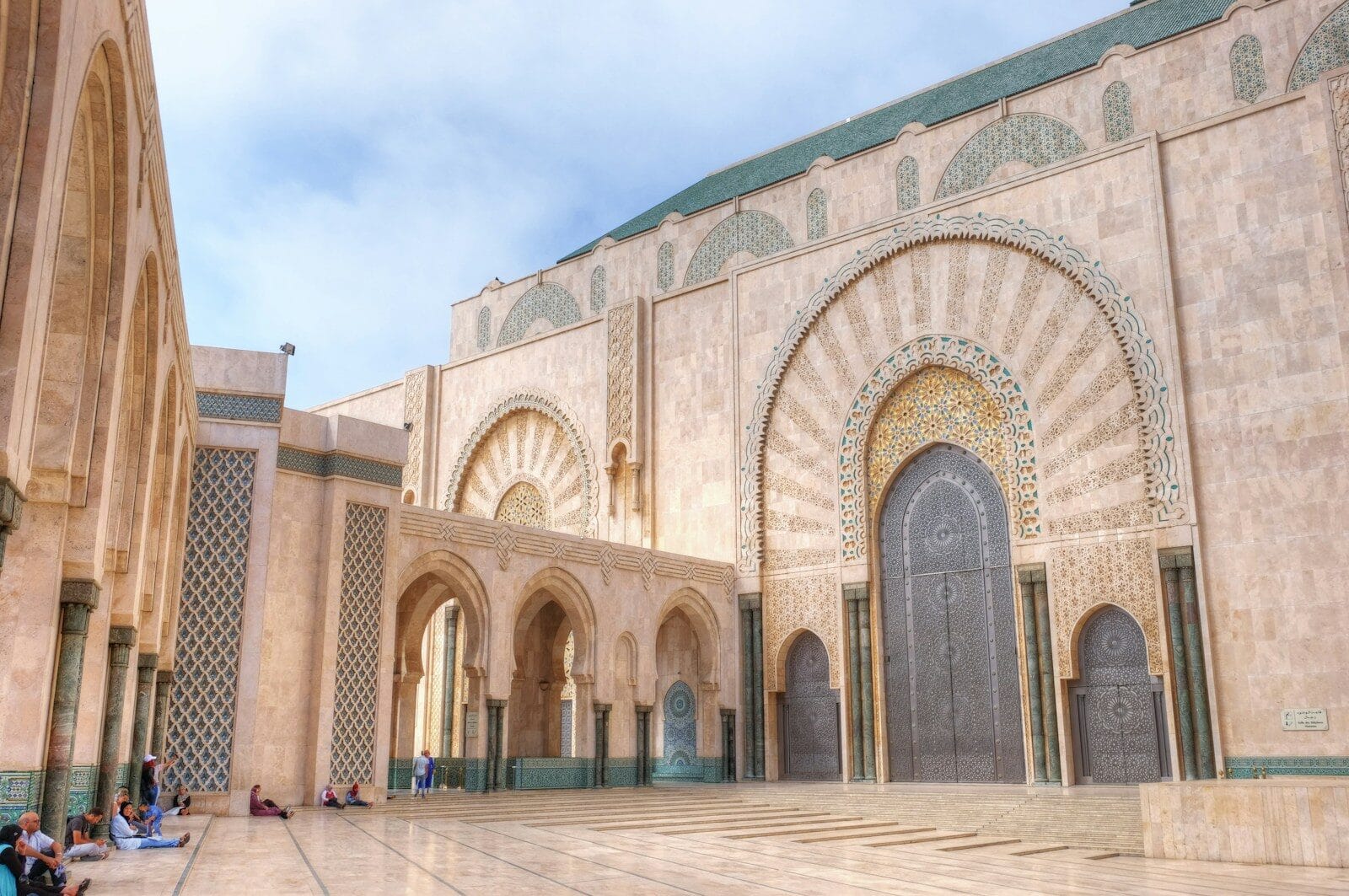
Yes, June is a good time to visit Morocco for most travelers, as long as you match the region to the temperature. Northern cities, the Atlantic coast, and the Atlas Mountains all perform at their best in June. The Sahara and the inland south get extreme by mid month and need careful planning.
The reason is simple. June marks the start of the dry season across the country. Rain almost disappears, the days stretch to about 14 hours of sunlight, and the high season crowds of July and August have not arrived yet. Flights and hotels often cost less than the peak months.
There are real caveats. Marrakech regularly hits 38 to 40 Celsius (100 to 104 Fahrenheit) by the second half of June. Sightseeing in the medina at midday becomes a slog with kids, no matter how prepared you are. The Sahara becomes a sunrise and sunset destination only, not a daytime one. If you are traveling with toddlers or older relatives, build in real cool down time and pool access, or skip the interior cities and stick to the coast.
Practical takeaways:
- Pick coast plus mountains if you want comfortable temperatures the whole trip
- Limit the Sahara to early June and only stay one or two nights in dune camps
- Schedule city sightseeing before 11 am and after 5 pm
- Book a riad with a pool in Marrakech or Fes for midday relief
- Time the Gnaoua festival weekend (June 25 to 27) if you want one cultural highlight
For families looking at a June itinerary, Morocco Vacation Planner designs private summer trips that combine coastal stays, Atlas mountain days, and brief desert visits without overheating the schedule.
Weather in June in Morocco by region
The weather in June in Morocco breaks cleanly into four zones, and packing decisions depend on which ones you visit. The Atlantic coast stays mild. The interior cities get genuinely hot. The Atlas Mountains stay cool at altitude. The Sahara goes extreme.
The country sits between the cold Canary Current in the Atlantic and the heat radiating off the Sahara. That tension is what creates the dramatic temperature swings you can experience in one week. Drive 90 minutes from Casablanca inland to Marrakech and the temperature jumps 12 degrees Celsius. Drive another two hours into the High Atlas and it drops 15 degrees again.
Here is the practical breakdown.
Atlantic coast (Casablanca, Rabat, Essaouira, Agadir, Tangier): Daytime highs 22 to 28 Celsius (72 to 82 Fahrenheit). Ocean breeze cools afternoons. Light layers needed for evenings.
Interior cities (Marrakech, Fes, Meknes): Daytime highs 32 to 38 Celsius (90 to 100 Fahrenheit). Overnight lows 17 to 20 Celsius (62 to 68 Fahrenheit). Heat builds through the day.
Atlas Mountains (Imlil, Ouirgane, Ifrane): Daytime highs 18 to 25 Celsius (64 to 77 Fahrenheit). Nights cool, sometimes below 10 Celsius at altitude. Sweater required after dark.
Sahara and Sahara gateway towns (Merzouga, Zagora, Ouarzazate): Daytime highs 38 to 45 Celsius (100 to 113 Fahrenheit). Overnight lows 22 to 25 Celsius (72 to 77 Fahrenheit). Brutal at midday.
Rainfall across the country averages 1 to 2 millimeters for the entire month of June. You can ignore rain in your planning for everywhere except the far north Rif Mountains, which occasionally see a short afternoon shower.
Humidity varies more than people expect. Coastal cities sit at 65 to 75 percent humidity in June, which makes the lower air temperature feel slightly warmer. Interior cities run 30 to 40 percent humidity, which is why 38 Celsius in Marrakech feels different from 38 Celsius in Houston or Mumbai. The dry heat is more manageable, especially in the shade.
Marrakech in June
Marrakech is where most travelers feel the weather in June in Morocco at its most intense. Average daytime highs sit around 35 Celsius (95 Fahrenheit) at the start of the month and climb past 38 Celsius (100 Fahrenheit) by the end. Heatwaves push past 40 Celsius (104 Fahrenheit) every few summers, and June 2023 set local records that many riads still talk about.
10-day Morocco family tour
Imperial cities · High Atlas · one night under Saharan stars. Family-paced, private driver, kid-tested stops.
The good news is that overnight temperatures drop to a comfortable 17 to 19 Celsius (62 to 66 Fahrenheit). That gap matters. The early morning and late evening hours are genuinely pleasant, and that is when Marrakech is at its best.
A typical day plan that works:
- 6:30 to 10:00 am: Walk the medina, see the souks before the crowds arrive
- 10:00 to 17:00: Retreat to your riad. Read, swim, nap, eat lunch on a shaded terrace
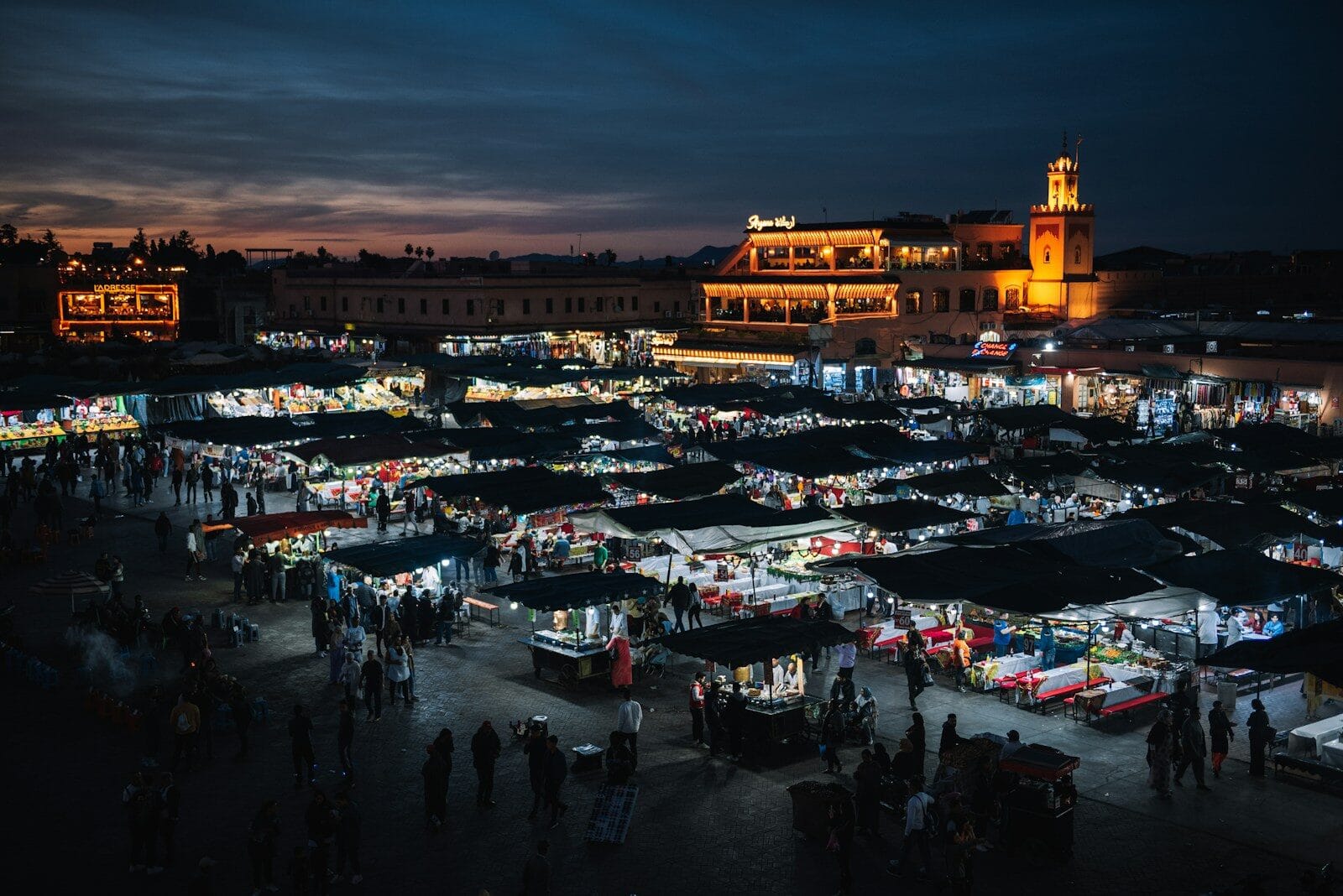
- 17:00 to 22:00: Out again for Jemaa el Fna, the gardens, dinner
Skip this rhythm and you will be miserable by day three. The pink walls of the old city absorb heat through the day and radiate it back into the alleys after sunset. Air conditioning in budget riads is hit or miss. Booking a riad with a real plunge pool and proper air conditioning, not just ceiling fans, makes a 200 dirham per night difference but pays back in usable hours.
Things to do in Marrakech that suit June
- Jardin Majorelle early in the morning, before the tour buses
- Bahia Palace before 10 am, the courtyards stay cool
- Hammam visits in the late afternoon as a cool down
- Roof terrace dinners after sunset
- Day trips to the Atlas Mountains for a full break from the heat
The Atlas day trip is the secret weapon. From Marrakech, you can reach Imlil or the Ourika valley in under 90 minutes. Temperatures drop 10 to 15 degrees. Kids splash in mountain streams while the city behind them bakes at 38 Celsius. A lot of families end up doing this twice in a week long stay.
Casablanca and the Atlantic coast in June
The Atlantic coast saves the weather in June in Morocco for travelers who want mild temperatures. Casablanca highs sit around 24 to 26 Celsius (75 to 79 Fahrenheit) for most of the month. Nights drop to 18 to 20 Celsius (64 to 68 Fahrenheit). Sea temperature runs around 20 to 21 Celsius (68 to 70 Fahrenheit), cool but swimmable for kids.
Mornings on the coast can start foggy, especially in early June. The Atlantic produces a low marine layer that burns off by midday. It is one of the reasons coastal cities feel cooler than the inland forecast suggests.
Casablanca is more of a working business city than a beach destination, but the Corniche along the Atlantic gets busy in the evenings with families walking, eating ice cream, and watching the sunset over the Hassan II Mosque. The medina is small, the seafood restaurants are good, and the climate of Morocco’s largest city is rarely uncomfortable in June.
Rabat, 90 kilometers north, runs slightly cooler. The capital is calmer, with the Kasbah of the Udayas and the Hassan Tower as the main draws. Most family travelers spend one night here, not three.
Essaouira, 175 kilometers west of Marrakech, is the coastal escape that pairs best with a heat heavy Marrakech itinerary. Strong Atlantic winds keep daytime temperatures around 22 to 24 Celsius all summer. Surfers and kite surfers love it. Families love it for the wide beach, the walled medina, and the seafood grilled at the port.
Agadir sits further south. Highs reach 28 Celsius and the beach is the longest in the country. Big resort hotels with pools and kid clubs cluster along the coast, which makes Agadir the easiest June destination for families who want a hotel base and not much driving.
Tangier at the northern tip stays the coolest. Average highs sit at 24 Celsius (75 Fahrenheit), with a daily average around 21 Celsius (69 Fahrenheit). Looking across the strait at Spain on a clear evening, Tangier feels more Mediterranean than African in June.
Fes and the imperial cities in June
Fes sits at 410 meters elevation in a wide basin, which gives it a slightly different microclimate from the rest of the inland cities. The weather in June in Morocco hits Fes hard during the day, with highs around 31 to 33 Celsius (88 to 91 Fahrenheit) in early June and 35 Celsius (95 Fahrenheit) by month end. Nights drop to 15 to 18 Celsius (59 to 64 Fahrenheit), cooler than Marrakech.
The Fes medina is more challenging than the Marrakech medina in June for one reason: the alleys are narrower and steeper, and there is less open square space to catch a breeze. The famous tanneries smell stronger in the heat. Plan tannery visits for 8 to 10 am, not midday.
Meknes, an hour west of Fes, runs a couple of degrees cooler thanks to slightly higher elevation. The old town is easier to walk than Fes, which makes it a better single day stop with younger kids.
Volubilis, the Roman ruins between Fes and Meknes, gets brutally hot at midday. Open sun, no shade. If you visit, go at first light. Most tour buses arrive at 11 am which is the worst possible time.
The June Fes Festival of World Sacred Music, when it runs, draws international artists for a week of concerts in palace courtyards and historic venues. Check current dates closer to your travel month, as the festival sometimes shifts.
The Atlas Mountains and the Sahara in June
The High Atlas is where June makes the most sense for outdoor travel. Daytime highs at 1,500 to 2,000 meters elevation sit around 22 to 26 Celsius (72 to 79 Fahrenheit). The Toubkal region and Imlil run cooler at altitude, with nights dropping below 10 Celsius. This is hiking weather, not heat avoidance weather.
The Toubkal trek opens up properly in late May and runs through October. June is one of the best months for the summit climb. Snow has cleared from the standard route, daylight is long, and overnight temperatures at the refuge are manageable. Guide required for non experienced trekkers.
Day hikes from Imlil to villages like Aremd, Sidi Chamharouch, and the Toubkal refuge are doable with kids over eight if you start early. Pack sun protection. The mountain sun at altitude burns fast.
Ifrane in the Middle Atlas stays the coolest of the mountain towns. The cedar forest walks around Azrou are pleasant all day. Barbary macaques are still visible in the trees. The weather in June in Morocco’s Middle Atlas is the closest thing the country has to a Swiss summer.
Need help with transportation in Morocco?
Book a reliable private driver for your Morocco family adventure today — personalised routes designed just for you.
Sahara visits in June
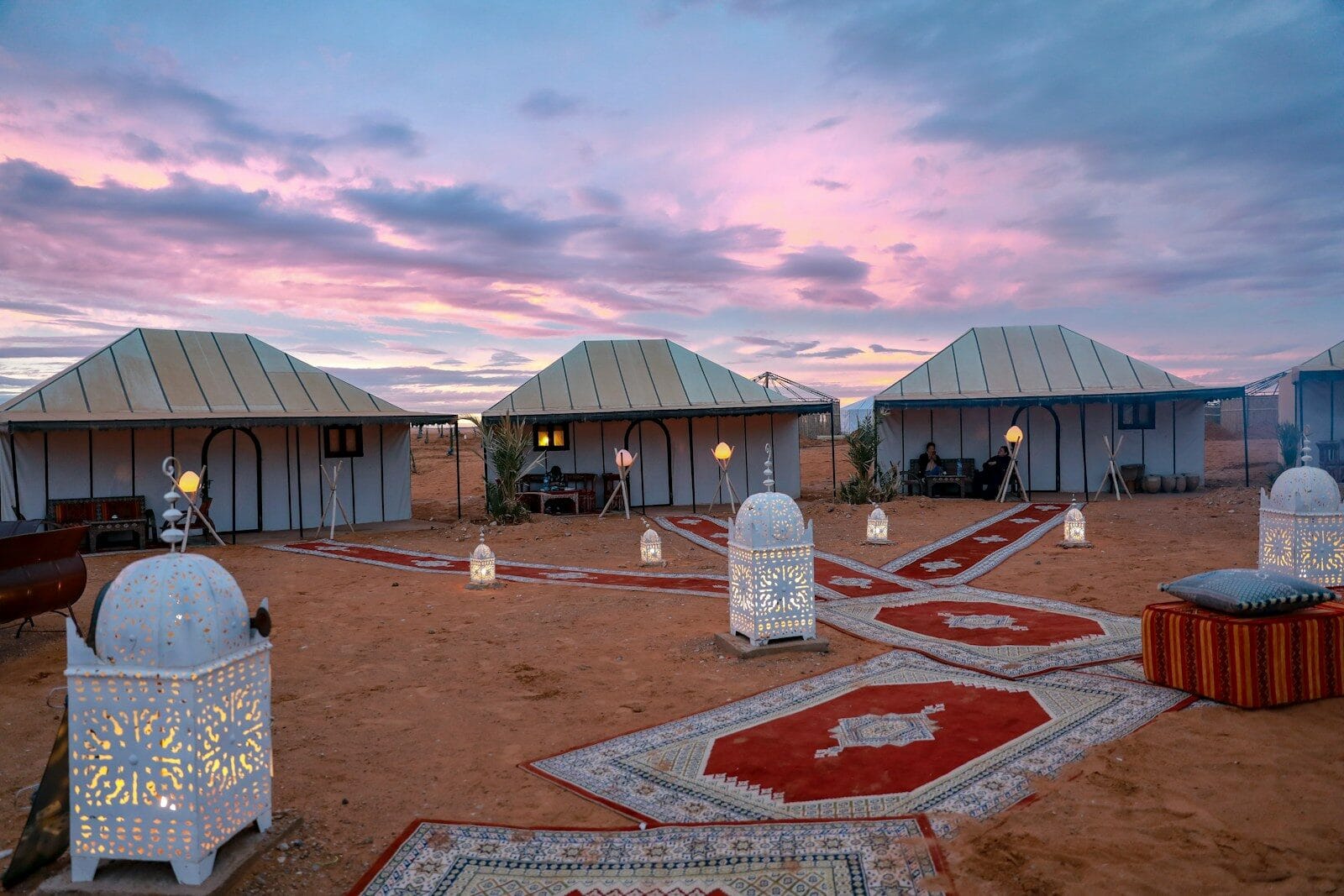
Merzouga and Erg Chebbi run 38 to 45 Celsius by day in June, with sand temperatures hot enough to burn bare feet. Most desert tour operators reduce dune walks and camel rides to dawn and dusk windows. Nights cool to 22 to 25 Celsius, which makes sleeping in a desert camp manageable with proper canvas tents.
If the Sahara is on your list for June:
- Go early in the month, before the worst heat sets in
- Stay one or two nights only
- Pick a camp with shade structures and decent ventilation
- Plan camel rides for sunset, sunrise, or evening only
- Drink twice as much water as you think you need
Many families skip the Sahara entirely in June and replace it with a longer Atlas stay. That is a reasonable trade.
What to pack for the weather in June in Morocco
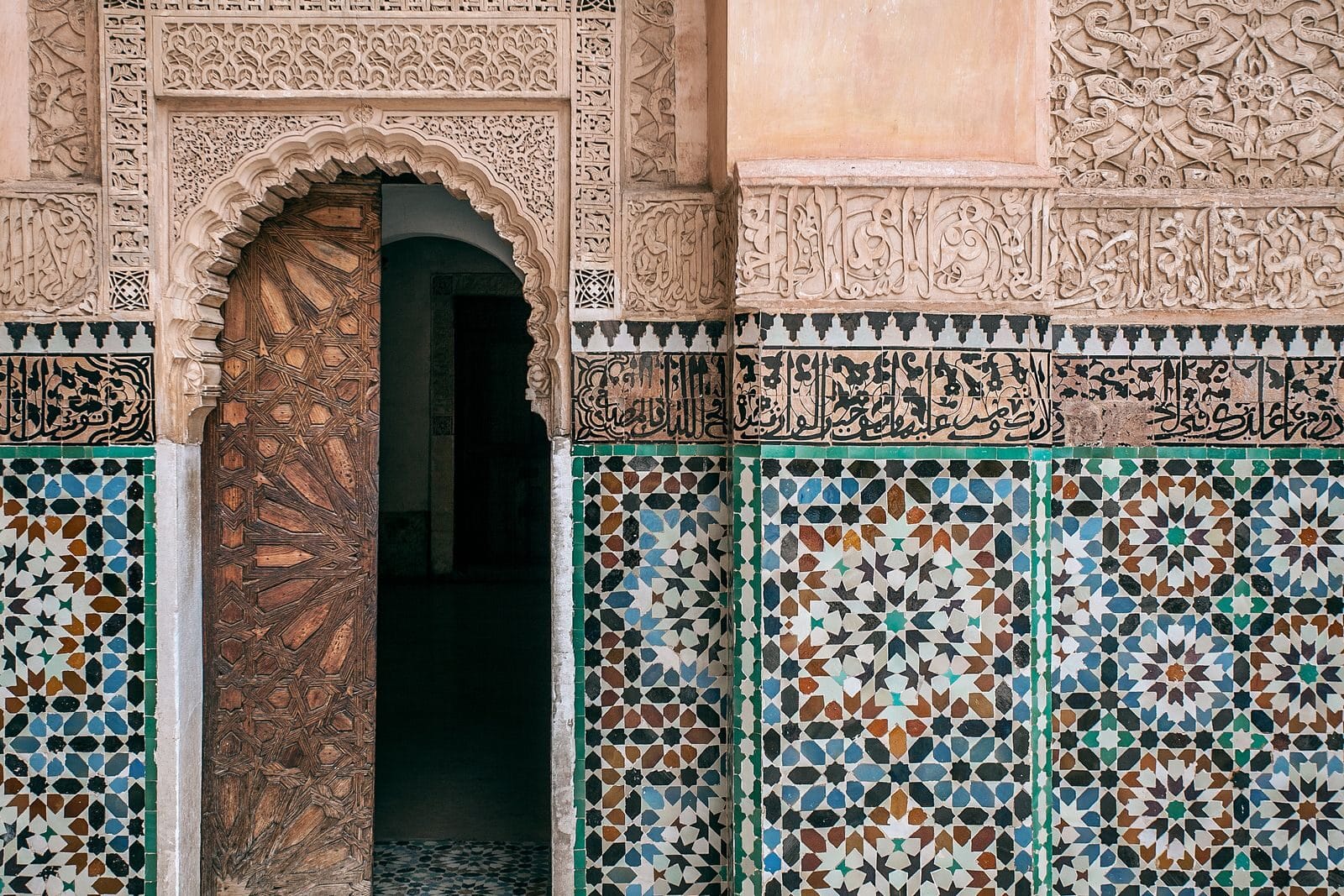
Packing for the weather in June in Morocco requires planning for three temperature zones in one suitcase. The right list comes down to fabric, fit, and sun protection rather than quantity.
For the cities (Marrakech, Fes, Meknes):
- Loose cotton or linen shirts, long sleeves recommended for sun protection
- Lightweight linen or cotton pants. Jeans become uncomfortable above 30 Celsius
- Comfortable walking sandals or sneakers
- A wide brimmed sun hat
- Sunglasses with strong UV filtering
- A light scarf for women, useful for sun and for entering religious sites
For the coast (Essaouira, Agadir, Tangier):
- Swimsuits and beach towels
- A light windbreaker or sweater for Atlantic evenings
- Sandals that handle sand and saltwater
- Sunscreen at SPF 50, the coastal sun is sneaky
For the Atlas Mountains:
- A warmer layer for evenings
- Hiking shoes if you plan any walks
- Sun hat and sunglasses
- Pants rather than shorts for trail walks
For the Sahara:
- Long, loose clothing in light colors
- Closed shoes for the sand
- A scarf or chèche for sun and dust
- A small headlamp for nighttime camp use
Local dress norms matter more than the weather sometimes. Both women and men dress modestly in medinas, particularly in Fes. Knees and shoulders covered is the practical standard for daytime city sightseeing. On the coast and at resort beaches, swimwear is fine. Jeans are also fine to wear in Morocco, just not comfortable in 38 Celsius heat.
Things to leave home
- Heavy denim
- Synthetic fabrics that trap heat
- Open toed shoes for mountain walks
- Anything tight fitting
Festivals during June in Morocco
June is one of the strongest festival months in the country. Three big ones land in the calendar, plus a handful of smaller regional events.
Gnaoua World Music Festival, Essaouira: Held June 25 to 27, 2026 for the 27th edition. Free outdoor concerts on Moulay Hassan Square plus paid intimate venues throughout the medina. The festival blends traditional Gnawa trance music with international jazz, blues, reggae, and pop artists. Around 400,000 to 500,000 visitors fill Essaouira during the weekend, so book a riad three to six months ahead. Worth the planning effort.
Fes Festival of World Sacred Music: Usually held in mid June, with dates that shift slightly each year. The festival brings sacred music from around the world to courtyards, palaces, and historic venues across the Fes medina. Quieter and more contemplative than Gnaoua, with a strong intellectual side. Family friendly if your kids are older than ten.
Mawazine in Rabat: Often runs in late June or early July, depending on the year. Free outdoor concerts with major international and Arabic stars. One of the largest music festivals in Africa by attendance. Less family oriented than Gnaoua but worth checking dates if you are in Rabat anyway.
There are also smaller regional Berber moussems (festivals) in High Atlas villages during June. These are local affairs rather than tourist events, and they are often the most genuine glimpse of Moroccan culture you can get.
For families, the Gnaoua weekend in Essaouira is the standout. The weather in June in Morocco’s coast stays mild enough that outdoor concert nights are genuinely comfortable, even past midnight. The free outdoor concerts run from late afternoon into the night, and the energy in the medina during the festival is unlike any other time of year. Even with kids who do not speak French or Arabic, the music carries the experience.
The weather in June in Morocco with kids
The weather in June in Morocco can either make or break a family trip, depending on how you build the itinerary. Kids handle heat worse than adults, dehydrate faster, and lose patience with sightseeing in 38 Celsius about three hours sooner than their parents do.
A few rules from families who have done this:
Build in real rest. Plan at least one full afternoon off per three days of travel. Not “we will go back to the room for an hour”, but a full pool day with nothing scheduled.
Hydration is essential. Carry water everywhere, refill from sealed bottles, encourage drinking even when no one is thirsty.
Sun protection from the start of the trip. A bad first day sunburn can ruin the next four. SPF 50, hats, light long sleeves on travel days.
Pace by region. Marrakech and Fes need an early morning, midday off, evening out rhythm. Coast and mountains can run a more normal schedule.
Activities kids love in June
- Atlas day trips with stream wading near Setti Fatma in the Ourika valley
- Riad pools in Marrakech that turn the midday heat into a swim day
- Essaouira windsurfing or camel rides along the beach
- Camel rides at sunset in the Sahara, not midday
- Cedar forest walks near Azrou to spot Barbary macaques
- Hammam visits for older kids, often a hit with teens
What does not work in June with kids
- Walking the Marrakech medina between noon and 4 pm
- Long desert tours with extended daytime driving
- Overnight desert camps for kids under five, even with good camps
- Crowded outdoor festivals with toddlers in heat
The Atlas Mountains plus the Atlantic coast plus brief city stops is the formula that works repeatedly for June family trips. The Sahara can stay on the list for an October return.
12 & 14-day grand family tours
Add Chefchaouen, the Atlantic coast, or two nights in the dunes. Slow mornings, shorter drives, room for grandparents and toddlers.
Where to stay in Morocco in June
Accommodation choice changes how you experience the heat in June. A bad pick can amplify the temperature. A good pick erases it.
Marrakech: Choose a riad in the medina with a real plunge pool, proper air conditioning (not just ceiling fans), and a shaded courtyard. Mid range options like Riad Dar Anika and Riad Jardin Secret deliver this. Higher end options like La Mamounia have full sized pools and air conditioning that can run cold.
Fes: Riads in the old medina with rooftop terraces and small dipping pools. The medina alleys are too narrow for proper hotels, so riads are the standard. Stay in the Batha or Andalous district for easier access.
Essaouira: The medina riads work well, especially during the Gnaoua festival. For families, the small hotels near the beach in the Diabat district offer easier parking and direct beach access.
Agadir: Big resort hotels with kid clubs and full size pools. Royal Atlas, Hotel Riu Tikida Beach, and the Sofitel Royal Bay are all reliable for families.
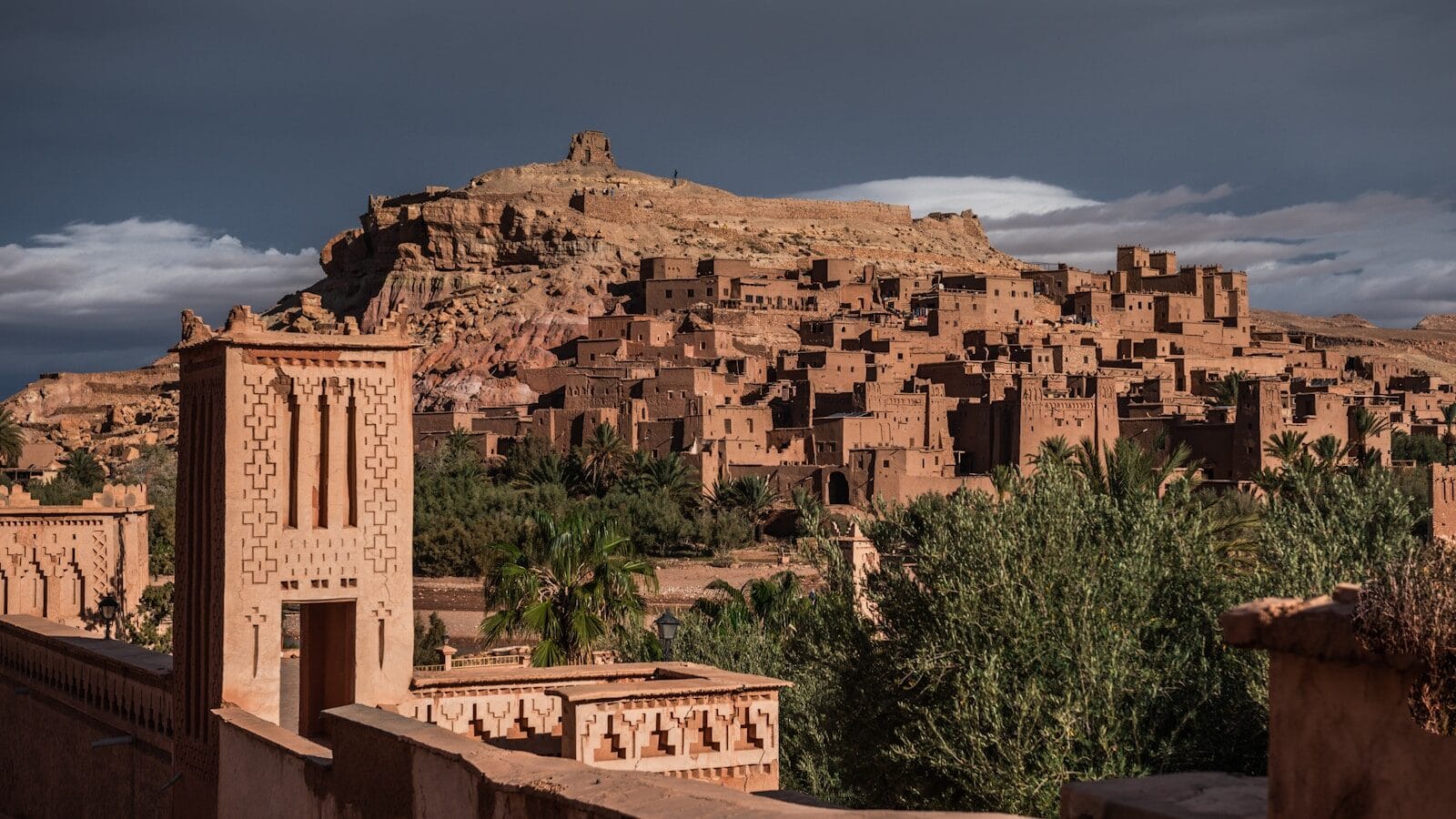
Atlas Mountains: Kasbah du Toubkal in Imlil, Kasbah Tamadot in Asni for higher end. Riad Dar Tassa in the Ourika valley for mid range. All offer cooler temperatures and pool access.
Sahara: Pick a luxury camp like Erg Chebbi Luxury Desert Camp or Sahara Stars Camp. Basic camps run hot in June. The difference between a 200 euro per night camp and a 60 euro per night camp shows up most clearly in summer.
Booking timing matters in June. Coastal hotels around Essaouira fill up early for the Gnaoua festival. Marrakech sees more business travelers and fewer leisure travelers, so room rates often drop. Use that.
Photography in Morocco in June
If you are bringing a camera, the weather in June in Morocco hands you long days and dramatic light. Sunrise around 6 am and sunset around 8:30 pm give you two golden hour windows per day, plus a long stretch of harsh midday light that is mostly useless for photography but creates the kind of shadows you want for souk doorway shots.
Best windows:
- 6:00 to 9:00 am: City medinas, dunes, mountain villages
- 7:30 to 9:00 pm: City rooftops, coastal sunsets, desert dune ridges
- After dark in June: Stars in the Sahara are at their brightest
Spots worth scouting:
- Jemaa el Fna in Marrakech at blue hour, around 8:45 pm
- The Essaouira ramparts at sunset
- Erg Chebbi dune crests at first light
- The cedar forests near Azrou in late afternoon
- Atlas village rooftops from above at sunset
The dust factor is real in June. Wind picks up in the afternoon in many regions, particularly in the south. A simple lens cloth and a sealed camera bag handle most of it. If you are using a drone, remember that Morocco requires a permit from the Ministry of the Interior. Most travelers do not have one, and customs can confiscate drones on arrival.
Final thoughts on the weather in June in Morocco
The weather in June in Morocco is the country at one of its most useful moments. The rain is gone. The crowds of July and August have not arrived. The festivals are about to start. The mountains and coast are pleasant, the cities are hot but workable in the right rhythm, and the Sahara is dramatic if you respect the heat.
For families, the formula that works most often is two days on the coast, two in Marrakech with a riad pool, two in the Atlas, and one festival or special event woven in. A week feels comfortable. Ten days lets you add Essaouira for the Gnaoua festival or a slow stretch in Imlil. Two weeks gives you the full picture without anyone burning out.
Pack light, plan early mornings, embrace the long afternoons indoors, and treat the trip more like a slow stretch than a sprint. Travelers who try to do everything in 38 Celsius end up exhausted by day four. Travelers who lean into the rhythm leave wanting to come back.
Morocco Vacation Planner designs Private Family Tours in Morocco for Kids, Teens & Toddlers. Plan your perfect family trip to Morocco with custom private tours built for families traveling with toddlers, kids, and teens. You get family friendly experiences, trusted local guides, and handpicked comfortable stays from the medinas all the way to the Sahara.
FAQs
What is the weather like in Morocco in June?
The weather in June in Morocco is hot and dry inland, comfortable on the coast, and pleasant in the Atlas Mountains. Marrakech and Fes can hit 35 to 38 Celsius (95 to 100 Fahrenheit), while Casablanca, Essaouira, and Tangier stay around 24 to 26 Celsius (75 to 79 Fahrenheit) thanks to Atlantic breezes. Rainfall is almost zero across the country, and you can expect 11 to 13 hours of sunshine per day.
Is it a good time to visit Morocco in June?
Yes, June is a good time to visit Morocco if you match your itinerary to the climate. The Atlantic coast, Atlas Mountains, and northern cities are at their best, with mild temperatures and long sunny days. The Sahara becomes uncomfortable by mid month, so plan desert visits for early June if at all. The Gnaoua World Music Festival in Essaouira on June 25 to 27 is the cultural highlight of the month.
What is the hottest month in Morocco?
July and August are the hottest months in most of Morocco, but June already pushes into hot territory inland. The weather in June in Morocco’s interior cities like Marrakech and Fes regularly hits 38 to 40 Celsius (100 to 104 Fahrenheit) by month end. The Sahara can run even hotter, reaching 45 Celsius (113 Fahrenheit) at midday by late June.
What clothes should I pack for Morocco in June?
Pack loose, lightweight cotton or linen clothing in light colors. The weather in June in Morocco calls for long sleeves and pants for sun protection, a wide brimmed hat, sunglasses, sandals plus closed shoes for mountain walks, and a light layer for cool evenings on the coast or at altitude. A scarf is useful for women in religious sites and on dusty days in the south.
Is it okay to wear jeans in Morocco?
Yes, jeans are completely fine to wear in Morocco. They are common everyday clothing for locals. The catch is comfort: jeans become uncomfortable in 38 Celsius daytime heat in cities like Marrakech and Fes. Most travelers pack a single pair for cool evenings and lean on linen pants or lightweight cotton for hot daytime sightseeing in June.