
What medication you can take to Morocco
A few summers ago, a friend of mine landed in Casablanca with a small ziplock bag of unlabeled painkillers in her hand luggage. Customs pulled her aside, asked questions she could not answer, and confiscated the bag. Nothing else happened, no fine, no formal trouble. But she lost the medication and started her trip with a tension headache she could not treat. That moment is exactly why this guide exists.
Most travelers never run into problems, but the rules around what medication you can take to Morocco are stricter than people expect, especially for anything containing codeine, benzodiazepines, or strong sleep aids. Whether you are bringing daily blood pressure pills, an inhaler, ADHD medication for a teenager, or a basic first aid kit for a family trip, knowing what medication you can take to Morocco, what needs paperwork, and what is restricted will save you stress at customs.
This guide covers prescription rules, banned substances, documentation, the over the counter pharmacy scene inside Morocco, required vaccines, and what to actually pack for a family trip across medinas, mountains, and the Sahara.
Quick takeaways
- Most personal medication is allowed. Bring it in original packaging, with a copy of your prescription, and you will sail through customs.
- Controlled substances need paperwork. Codeine, tramadol, morphine, benzodiazepines like Valium and Xanax, ADHD stimulants, and strong sleep aids may be restricted without a doctor’s letter and a declaration form.
- Quantities should match your trip. A one to three month personal supply is generally accepted. Larger amounts attract scrutiny.
- Carry medication in hand luggage. Heat in checked bags can damage insulin, EpiPens, and many tablets. Loss in checked baggage is also a real risk.
- Pharmacies in Morocco are good. Cities have well stocked pharmacies, often with French speaking staff. Many common medications are available without a prescription, though brand names differ.
- No vaccines are mandatory for most travelers, but routine boosters, hepatitis A, and tetanus are recommended. Talk to a travel clinic four to six weeks before flying.
- Bring a basic first aid kit. Sunscreen, oral rehydration salts, anti diarrheal medication, and paracetamol cover most family travel issues here.
What medication can you not take into Morocco?
Morocco bans or restricts narcotic drugs, strong opioid painkillers, most benzodiazepines, methadone, oxycodone, codeine combinations, tramadol, methylphenidate and amphetamine ADHD medications, and some strong sleep aids, even when prescribed in your home country. Bringing these without proper documentation can result in confiscation, questioning, or in rare cases legal trouble under Moroccan customs law.
The reason these categories are restricted is that they fall under international narcotic and psychotropic conventions, and Morocco enforces those rules strictly at its borders. Even a small personal supply of Vicodin, Percocet, OxyContin, or Xanax can cause problems if you cannot show medical paperwork.
There are exceptions. If you genuinely need one of these medications and you have a written prescription, a doctor’s letter explaining the condition and dosage, and only a personal supply, you can usually bring it in. Morocco’s customs administration provides a sworn declaration form for medication, which you sign on arrival to confirm the supply is for your own use. For larger quantities or unusual drugs, written authorization from the Moroccan Ministry of Health is required in advance, which takes time to arrange.
Practical takeaway:
- Skip the gray area. If you can switch to a non controlled alternative before your trip, do it.
- Carry every paper. Prescription, doctor’s letter, and a French or Arabic translation if possible.
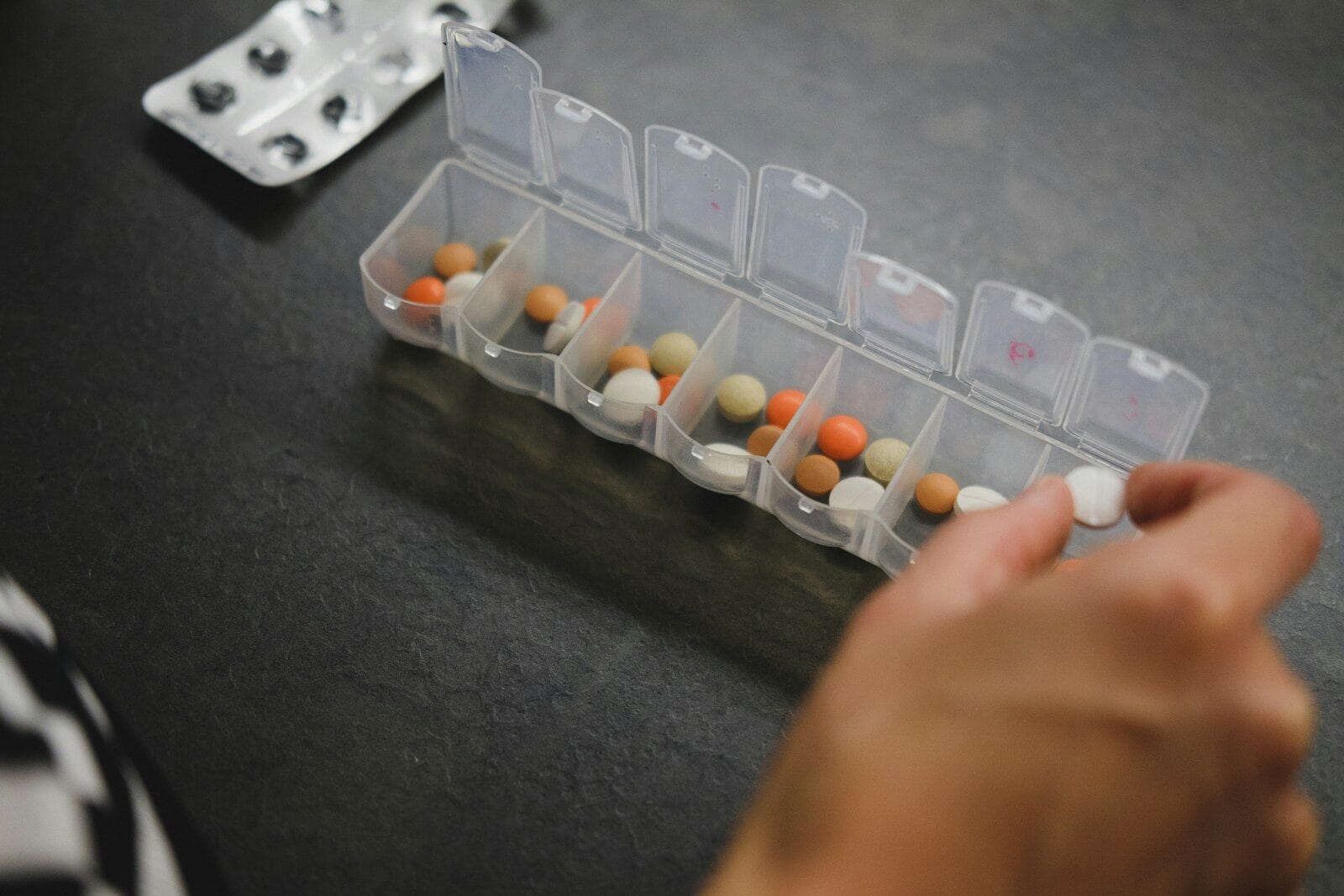
- Keep the original packaging. Loose pills in a daily organizer raise red flags.
- Declare on arrival if you are carrying anything that could be questioned.
- Quantities should match your trip length, not your home stockpile.
For families managing chronic conditions, Morocco Vacation Planner can connect you with English speaking doctors and reliable pharmacies along your route before you fly.
What medication you can take to Morocco without issue
The good news is that the list of medication you can take to Morocco without any drama is long. Most of what families pack for a normal trip falls into this allowed category.
10-day Morocco family tour
Imperial cities · High Atlas · one night under Saharan stars. Family-paced, private driver, kid-tested stops.
Common over the counter medication you can take to Morocco includes:
- Paracetamol (acetaminophen) and ibuprofen
- Aspirin
- Antihistamines like cetirizine, loratadine, or diphenhydramine
- Motion sickness tablets such as dimenhydrinate
- Anti diarrheal medication like loperamide
- Oral rehydration salts
- Antacids and anti reflux medication
- Throat lozenges and cough syrup without codeine
- Topical creams for bites, rashes, and minor burns
- Nasal sprays without pseudoephedrine
Prescription medication you can take to Morocco generally includes:
- Blood pressure medication
- Statins and other cardiac medication
- Asthma inhalers, including controllers and rescue inhalers
- Diabetes medication, including insulin and pen needles
- Thyroid medication
- Birth control pills and rings
- Antibiotics for ongoing treatment
- Antidepressants that are not controlled substances (most SSRIs and SNRIs)
- Migraine medication that does not contain opioids
- Allergy auto injectors such as EpiPens
For all prescription items, keep them in the original pharmacy packaging with the label intact. Bring a copy of the written prescription. If you are carrying more than a month’s supply, also bring a doctor’s letter that lists every medication, the dosage, the condition being treated, and the duration of treatment.
For insulin and other refrigerated medication, ask your airline about cold packs and check that your hotel or riad has a working fridge for storage. Most do.
Documents you need at customs
This is where most travelers get caught out. Moroccan customs do not publish a single official banned list, but they do enforce rules around documentation, and the difference between a smooth entry and a confiscated medication is usually a piece of paper.
At minimum, carry:
- A copy of your prescription, ideally with the generic name listed
- A doctor’s letter on official letterhead, explaining the condition and medication
- The medication in its original labeled packaging
For controlled substances or larger quantities, also carry:
- A French translation of your prescription and letter (Arabic is fine too)
- The sworn declaration form from Moroccan customs, signed on arrival
- For unusual or unregistered drugs, prior authorization from the Moroccan Ministry of Health
Customs officers in Casablanca and Marrakech airports see thousands of travelers a week. Most checks are brief. They scan the bag, ask if you have anything to declare, and wave you through. The problems come when something unusual catches their eye: a large bottle of pills with no English label, a vial of liquid medication without a prescription, an unmarked plastic bag of tablets. Anything that looks like it might be for resale will be questioned.
A simple rule that works: pack as if a stranger needs to look at your bag and immediately understand what every medication is for. If you can pass that test, you will be fine.
A note for travelers from the USA
If you are wondering what medication you can take to Morocco from USA specifically, the rules are the same as for travelers from anywhere else. Bring your US prescription, original packaging, and a doctor’s letter. Brand names in the US often differ from brand names in Morocco (which uses mostly French labeling), so the generic name on the prescription is what matters at customs and at pharmacies.
Controlled substances and how Morocco treats them
Morocco follows international conventions on narcotic drugs and psychotropic substances, which means certain categories of medication are tightly regulated, even when they are common prescriptions in your home country.
The most commonly restricted categories include:
- Opioid painkillers: morphine, oxycodone, hydrocodone, codeine, tramadol, fentanyl, methadone
- Benzodiazepines: diazepam (Valium), alprazolam (Xanax), lorazepam (Ativan), clonazepam, temazepam
- ADHD stimulants: methylphenidate (Ritalin, Concerta), amphetamine (Adderall, Vyvanse)
- Strong sleep medication: zolpidem (Ambien) and similar Z drugs
- Cannabis derived medication: CBD oils with THC, medical marijuana products
A common question is, can you buy diazepam in Morocco? Yes, but only with a Moroccan prescription from a Moroccan doctor. The same applies to codeine. Some weak codeine combinations may be sold over the counter at the pharmacist’s discretion, but do not count on this. If you depend on these medications, bring your supply with paperwork rather than hoping to refill on arrival.
The same logic applies to ADHD medication for a child or teen. Methylphenidate and amphetamine based stimulants are controlled in Morocco. Travel with the original packaging, a clear pediatrician’s letter explaining the diagnosis and treatment plan, and only the quantity needed for the trip.
Need help with transportation in Morocco?
Book a reliable private driver for your Morocco family adventure today — personalised routes designed just for you.
If you have any doubt about whether a specific drug is on the restricted list, contact the Moroccan embassy or consulate in your home country at least two weeks before traveling. They can confirm in writing whether a particular medication is allowed.
Buying medication at Moroccan pharmacies
If you run out of something or forgot it at home, Moroccan pharmacies are usually a good option. They are everywhere in cities like Casablanca, Marrakech, Fes, Rabat, and Tangier, often open until midnight or with a rotating night pharmacy schedule that posts on a sign in the window.
Things to know:
- Pharmacy staff often speak French. English varies. Arabic is the local language.
- A doctor’s prescription is not always required for many medications that would need one in the US or UK.
- Generic versions of common drugs are widely available and usually cheaper than US prices.
- Brand names are mostly French. Paracetamol is often sold as Doliprane, ibuprofen as Nureflex or Brufen.
What you cannot buy easily:
- Strong opioid painkillers without a Moroccan prescription
- Benzodiazepines without a Moroccan prescription
- ADHD stimulants without a Moroccan prescription and likely a hospital referral
- Some specialty medications that are not registered in Morocco
For most family trips, a quick pharmacy visit handles minor issues like a sore throat, sunburn, mild stomach trouble, or a sinus infection. Pharmacists often suggest medication directly when you describe symptoms, similar to how it works in France. For anything more serious, ask your hotel or riad for the nearest English speaking doctor or private clinic.
Where to find a 24 hour pharmacy
Most Moroccan neighborhoods have at least one pharmacie de garde (on call pharmacy) open at night. The schedule rotates weekly. Ask at your hotel or check the door of any pharmacy in the city, which usually posts the current rotation.
What to pack in your travel first aid kit
A small kit covers ninety percent of the bumps a family trip throws at you. Build it before you fly. Buying it on arrival is possible but slower than reaching into your bag at midnight when a child has a fever.
Core kit for a family Morocco trip:
- Paracetamol and ibuprofen, both adult and child versions
- Loperamide for travelers diarrhea
- Oral rehydration salt sachets
- Antihistamines for bites and allergies
- Hydrocortisone cream for skin irritation
- Antibiotic ointment and a small tube of antiseptic
- Plasters in several sizes, blister pads, gauze, and medical tape
- Tweezers and small scissors (in checked luggage)
- Digital thermometer
- Motion sickness tablets for mountain roads and camel rides
- High SPF sunscreen, 50 or above
- Lip balm with SPF
- Hand sanitizer
Add for the Atlas Mountains or Sahara:
- Electrolyte powder for hot days
- Moleskin or extra blister pads for walking
- Insect repellent with DEET or picaridin
- Saline nasal spray for desert air
- A small headlamp with spare batteries
Add for kids:
- Children’s paracetamol or ibuprofen liquid
- Teething gel for toddlers
- Diaper rash cream
- A few favorite snacks for picky eaters
- A small pack of wet wipes
Pack everything in clear ziplock bags inside your hand luggage. If a customs officer asks to see your medication, you can pull it out without unpacking your whole bag.
Required and recommended vaccines for Morocco
Most travelers do not need any specific vaccines to enter Morocco. There is no yellow fever requirement unless you are arriving from a country with active yellow fever transmission, in which case you need proof of vaccination.
Recommended vaccines for most travelers include:
- Routine vaccines up to date (MMR, DTaP, polio, flu, COVID 19)
- Hepatitis A, recommended for almost all travelers due to food and water exposure
- Typhoid, recommended for longer stays or travel outside main cities
- Hepatitis B, recommended for longer stays, medical workers, or anyone who may need medical care
- Tetanus booster if not had in the last ten years
- Rabies, recommended for trekkers, animal handlers, and long stays in rural areas
Talk to a travel clinic or your GP four to six weeks before your trip. Some vaccines need multiple doses spread over weeks, so do not leave this to the last minute.
Routine boosters for kids
For families traveling with children, the standard recommendation is to make sure all routine childhood vaccines are current before flying. This includes measles, which has had outbreaks in Europe and North Africa in recent years. A travel clinic visit before the trip is the smartest way to check that your kids are protected.
Common health issues to prepare for in Morocco
The most common health issue travelers face in Morocco is mild stomach trouble. Tap water is technically safe in most cities but the mineral content differs from what most travelers are used to, which can cause an upset stomach even when nothing is wrong with the water itself. Most people stick to bottled water for drinking and brushing teeth.
12 & 14-day grand family tours
Add Chefchaouen, the Atlantic coast, or two nights in the dunes. Slow mornings, shorter drives, room for grandparents and toddlers.
What you may run into:
- Travelers diarrhea from new bacteria in food or water. Usually mild, resolves in two to three days. Stay hydrated, use oral rehydration salts, and reach for loperamide if you need to travel that day.
- Sun and heat exhaustion, especially in Marrakech and the Sahara from May through September. Strong sunscreen, hats, and consistent water intake matter.
- Altitude awareness if you trek above 2,500 meters in the Atlas. Mount Toubkal at 4,167 meters can trigger altitude sickness in unacclimatized hikers.
- Cold mountain nights in winter, especially at desert camps in Merzouga and at high altitude lodges in the Atlas. Pack warm layers.
- Insect bites, mostly mosquitoes in coastal and oasis areas. No malaria risk in Morocco currently, but bites are annoying.
For anything serious, head to a private clinic in a major city. Casablanca, Rabat, and Marrakech have private hospitals with English or French speaking doctors. Public hospitals exist but are usually slower for tourist care. Make sure your travel insurance covers medical evacuation, especially if your trip includes the Sahara or high Atlas.
Final thoughts on medication and Morocco travel
Knowing what medication you can take to Morocco is one of those small pieces of trip planning that makes everything else easier. Pack the basic kit, keep prescriptions in original packaging, bring a doctor’s letter for anything controlled, and you will not think about your medication bag again for the rest of the trip.
For families, the extra step is doing this once for the parents and once for the kids, with separate paperwork for each child if they are on regular medication. ADHD stimulants for teens, asthma inhalers, EpiPens, and any chronic condition medication should all travel with paperwork. The first time you go through customs with everything organized, you will see why this matters.
If you are unsure about a specific prescription, contact the Moroccan embassy in your country. For everything else, lean on a good travel clinic before you fly and a private clinic in a Moroccan city if anything comes up during the trip.
Morocco Vacation Planner designs Private Family Tours in Morocco for Kids, Teens & Toddlers. Plan your perfect family trip to Morocco with custom private tours built for families traveling with toddlers, kids, and teens. You get family friendly experiences, trusted local guides, and handpicked comfortable stays from the medinas all the way to the Sahara. Our local team helps you find English speaking doctors and trusted pharmacies anywhere along the route, so the medication side of your trip is one less thing to worry about.
FAQs
What medication can you not take into Morocco?
You cannot take narcotic drugs, strong opioid painkillers, most benzodiazepines, methadone, codeine combinations without a prescription, tramadol, ADHD stimulants without paperwork, and some strong sleep medication into Morocco without prior authorization. When deciding what medication you can take to Morocco, assume anything in those categories needs a doctor’s letter, original packaging, and a sworn customs declaration on arrival.
What medication you can take to Morocco from USA?
US travelers can bring nearly all common prescription and over the counter medications, provided they are in original packaging and carried with a written prescription. Insulin, asthma inhalers, blood pressure pills, antidepressants, birth control, and most antibiotics are accepted without issue. For US controlled substances such as Adderall, Xanax, or Vicodin, you must carry a doctor’s letter on letterhead and only a personal supply.
Can you buy diazepam in Morocco?
Yes, diazepam (Valium) is available in Moroccan pharmacies, but only with a prescription from a Moroccan doctor. You cannot use a US, UK, or European prescription to buy benzodiazepines at a Moroccan pharmacy. If you depend on this medication, bring your own supply with full paperwork rather than planning to refill in country.
Are any vaccines required for Morocco?
No vaccines are required for most travelers entering Morocco. Yellow fever vaccination is only required if you are arriving from a country with active yellow fever transmission. Routine vaccines, hepatitis A, and a tetanus booster are recommended for most family travelers.
Can I buy paracetamol and ibuprofen in Morocco?
Yes, both are widely available at any Moroccan pharmacy without a prescription. Paracetamol is often sold as Doliprane, and ibuprofen is sold as Nureflex or Brufen. They are cheaper than US prices and easy to find in cities. For the broader question of what medication you can take to Morocco, basic painkillers and fever reducers like these are at the top of the easy list.