Can I drink the tap water in Morocco? A family guide
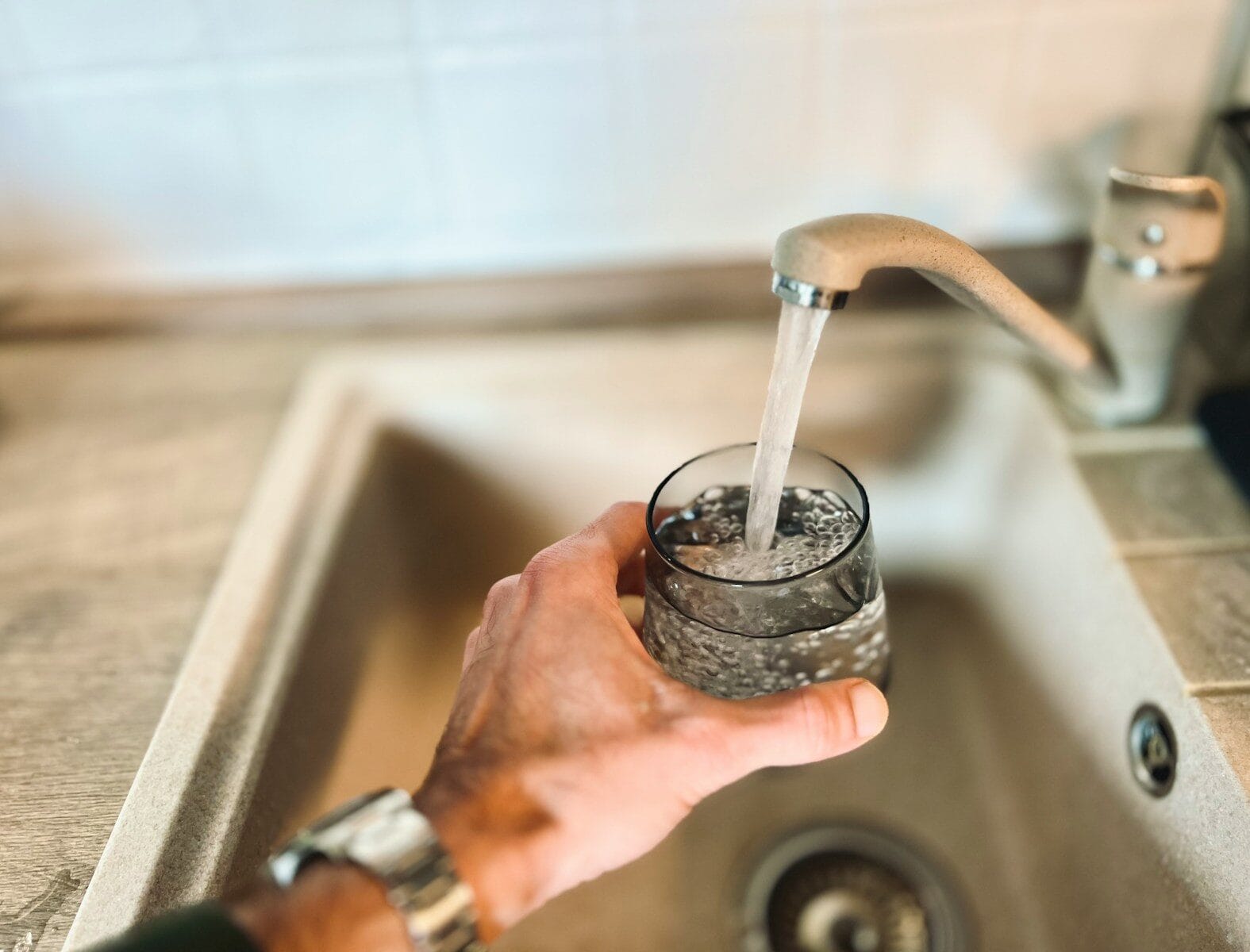
The first time you wash your hands in a Marrakech riad, you might pause at the sink. The water runs clear and cold. It looks fine. Before you cup your hands and take a sip, the question lands: can I drink the tap water in Morocco? It is one of the most googled travel questions about the country, and the honest answer is more nuanced than a yes or no.
If you are planning a family trip, the stakes feel higher. Nobody wants a toddler with a stomach bug in Fes. Nobody wants to spend the third day of their holiday in a riad bathroom in Chefchaouen instead of on the road to the Sahara.
This guide pulls together what residents do, what the official line says, what works for kids, what to pack, and how to handle restaurants, ice, brushing teeth, and the bottled water situation without panicking. By the end you will know exactly how to handle drinking water for your family across every city and every kind of trip.
Quick takeaways
- The short answer to can I drink the tap water in Morocco is yes for cooking and washing, but most travelers and many Moroccans drink bottled or filtered water instead.
- Major cities run treated water that meets WHO standards in Casablanca, Rabat, Marrakech, Fes, Tangier, and Agadir. The bigger risk is not contamination, it is different minerals and bacteria your stomach is not used to.
- Brushing teeth with tap is fine for most adults but use bottled for kids under five and for anyone with a sensitive gut.
- Ice in restaurants is usually made from the same treated water. In upscale places it is safe. In cheaper roadside stalls, skip it.
- Rural areas and the Sahara rely on wells and trucked water. Always use bottled or filtered there.
- Boiling for one minute kills bacteria and parasites but does not remove minerals that may still upset your stomach.
- A filter bottle is the smartest pack item. A Grayl or LifeStraw pays for itself within three days and cuts plastic waste.
Is it okay to drink Moroccan tap water?
For short visits, drinking Moroccan tap water is generally okay in major cities but not recommended. The water leaves the treatment plant clean, yet most travelers still get a mild stomach reaction in the first few days, so locals, expats, and tour operators all recommend bottled or filtered water as the default.
Morocco invests in water treatment through ONEE (Office National de l’Electricité et de l’Eau Potable), and tap water in cities like Casablanca, Rabat, Marrakech, and Tangier is chlorinated and tested regularly. The water meets World Health Organization standards at the point it leaves the plant. The real issue is what happens after that: old pipes in medinas, rooftop storage tanks in riads that get cleaned irregularly, and a higher mineral load than your home tap.
The answer changes once you leave the cities. In rural areas of the Atlas Mountains, the Sahara, and small Berber villages, water often comes from wells or trucked sources with no treatment. If you are with kids, traveling in summer when hydration matters more, or staying in budget riads where the rooftop tank may not have been cleaned recently, default to bottled. Most family travelers who ask can I drink the tap water in Morocco end up using tap for handwashing and cooking only.
Practical takeaway:
- Use bottled or filtered water for drinking, including in nice hotels
- Brush teeth with tap if you are an adult with a normal stomach, bottled for kids
- Avoid ice from street stalls and cheap cafes, fine in mid range and upscale restaurants
- Boil water for one minute if you have no other option
- Pack a filter bottle for refills, the cheapest long term solution for families
If you are traveling with us at Morocco Vacation Planner, every car carries bottled water, every riad we recommend has been vetted for water storage, and your guide knows where to refill safely.
The honest answer: can I drink the tap water in Morocco?
The yes or no version of can I drink the tap water in Morocco depends on three things: where you are, how long you are staying, and who you are traveling with.
For a healthy adult on a one week trip, drinking a glass of tap water in a Marrakech apartment is unlikely to send you to a hospital. Plenty of travelers do it without issue. The water has been chlorinated and tested, and the bacterial load is lower than what you would find in many other countries on the African continent. Moroccans living in big cities drink it daily.
The catch is the mineral profile. Tap water in Morocco runs through limestone bedrock, which gives it a high calcium and magnesium content. Combine that with chlorine traces and a few residual bacteria your gut flora does not recognize, and a lot of travelers end up with two or three days of mild stomach discomfort. Not dangerous, just inconvenient when you are trying to ride a camel into the dunes at Erg Chebbi.
Infrastructure adds another layer. Even in cities with excellent treatment plants, water flows through pipes that can be eighty years old in the older medinas of Fes and Marrakech. Some riads store water in rooftop tanks that get cleaned every few years rather than every month. That last mile is where bottle versus tap really gets decided.
If you are still asking can I drink the tap water in Morocco, the answer most local experts give is simpler in practice than in theory: drink bottled or filtered, use tap for everything else. You save yourself the small lottery of a stomach bug and lose nothing.
What Moroccans do at home
Walk into any Moroccan home in Casablanca and ask for a glass of water. About half the time you get bottled from a five liter Sidi Ali jug. The other half you get tap. It depends on the family, the neighborhood, and what they have grown up drinking. In rural areas almost everyone uses bottled or filtered water when they can afford it.
What is in Moroccan tap water
When you ask can I drink the tap water in Morocco, you are really asking about chemistry. The water that comes out of a Marrakech tap has been through a multi stage treatment process at one of ONEE’s plants, where it is filtered, chlorinated, and tested for bacteria, heavy metals, and chemical contaminants. By the time it leaves the plant, it meets the same drinking water standards used in Spain or France.
What makes Moroccan tap water different from what you drink at home is the mineral profile. The country sits on geology heavy in limestone and gypsum, which means the water is hard. Calcium and magnesium levels can be three or four times higher than what you might be used to. This is not harmful. It is the same hard water Moroccans use to make their famous mint tea, and the minerals are part of the flavor.
The other thing in Moroccan tap water is residual chlorine. The treatment plants add enough to keep the water safe through the distribution network, which can mean a slightly stronger taste than you might prefer. It is the same chlorine you would find in most municipal water around the world, just dosed a bit higher because the pipes are older and the journey is longer.
Chlorine, minerals, and why your stomach reacts
The stomach reactions most travelers experience are usually not from harmful bacteria. They are from the combination of unfamiliar minerals and a slightly different bacterial profile in the water and the food. Your gut bacteria spent years adapting to your home water. When you swap that for hard, chlorinated Moroccan water plus restaurant food cooked with the same water, your digestion needs a few days to catch up.
This is why even Moroccans returning from abroad sometimes get mild stomach upset for the first day or two back home. The body adapts, but it takes time. A trip of five to seven days is roughly the window where most travelers feel their stomach settle into Moroccan water.
10-day Morocco family tour
Imperial cities · High Atlas · one night under Saharan stars. Family-paced, private driver, kid-tested stops.
City by city: where the tap is safer
The answer to can I drink the tap water in Morocco shifts a little depending on which city you are standing in. Treatment quality and infrastructure age vary across the country, and so does the local advice.
Marrakech
Marrakech sits on a treated water network that meets WHO standards at the source. The issue is the old medina, where pipes can date back decades and water flows into riads through rooftop tanks. In modern parts of the city like Gueliz and Hivernage, the tap water is closer to what you would expect in a European mid size city. Locals still tend to drink bottled, though you will see plenty of riad staff filling kettles for mint tea straight from the tap.
Casablanca
Casablanca generally has the best urban infrastructure in Morocco. The water leaves the plant clean and arrives reasonably intact. Many Casablanca residents drink tap without thinking about it, especially in newer neighborhoods like Anfa or Maarif. Visitors with sensitive stomachs should still stick to bottled.
Fes
Fes is the trickiest. The medina has the oldest water network in any Moroccan city, and the riads inside the walls use rooftop storage. The water itself meets standards, but by the time it reaches your sink it has passed through pipes that were laid generations ago. Bottled is the smart default.
Tangier and Rabat
Tangier and Rabat both have modern water systems. Locals drink tap regularly, especially in newer parts of town. Visitors usually do fine here with brushing teeth and the occasional accidental swallow in the shower. Drinking it deliberately is still a calculated risk.
Agadir
Agadir was rebuilt after the 1960 earthquake, which means newer infrastructure across the city. Tap water in Agadir is among the most reliable in the country, and many resident expats drink it without filtering.
Rural areas, the Sahara, and the Atlas Mountains
Outside the cities, the rules change. Wells, springs, and water trucks supply most rural communities. Some sources are excellent, others are not. Without local knowledge, you have no way of telling. The simple rule is bottled or filtered only.
Can I drink the tap water in Morocco if I boil it?
Yes, you can drink the tap water in Morocco if you boil it properly, and this is what locals do for tea and cooking every day. Boiling kills bacteria, viruses, and parasites that might be present, which removes the main microbial risk. A rolling boil for one minute is the standard recommendation. At high altitude in the Atlas Mountains, make it three minutes because water boils at a lower temperature there.
Boiling does not change the mineral content. So if your stomach reacts to hard water, boiling will not help. It also will not remove chlorine taste, though letting boiled water sit uncovered for an hour will let most of the chlorine evaporate.
Here is the practical version. If you are in a riad with a kettle and you want to refill a water bottle for the day, boil tap water at night, let it cool, and decant it into your bottle in the morning. This is what many long stay travelers and Peace Corps volunteers do across the country. It is cheap, low waste, and works.
When boiling is not enough
If the water has visible sediment, smells strange, or comes from a well in a rural area, boiling alone may not be enough. Boiling kills living organisms but does not remove chemical contaminants or heavy metals. In areas where agricultural runoff is a concern, like parts of the Souss Valley near Agadir, you want either a real filter or bottled.
For families with toddlers, even boiled tap is not the first choice. Toddler stomachs are smaller and more sensitive, and you do not want to find out the hard way that the boil was not long enough. Stick to bottled or filtered.
Brushing teeth, ice, and the small habits to watch
Most travelers who get sick in Morocco do not get sick from a deliberate glass of tap. They get sick from the small daily habits they do not think about.
Brushing teeth
Brushing teeth with Moroccan tap water is fine for most adults. The small amount swallowed is not enough to cause problems in a healthy person. If you are particularly sensitive, traveling with kids under five, or pregnant, switch to bottled. It costs almost nothing and removes the variable.
Ice in drinks
In four star hotels and good restaurants, the ice is made from filtered water and is safe. In street cafes, juice stalls in the medina, and budget eateries, the ice may be made from straight tap, and worse, may have sat in an open bucket for hours. Skip it. Order drinks without ice or stick to bottled and canned.
Showering
You do not need to keep your mouth shut in the shower in Morocco. The amount of water that gets in is too small to matter for adults. For toddlers in the bath, just be mindful of them drinking the bath water deliberately, which they sometimes do.
Salads and uncooked vegetables
This one catches a lot of travelers off guard. Salads in cheap restaurants may have been washed in tap water. In nicer restaurants and reputable riads, kitchens use filtered or bottled water for produce. Ask if you are not sure. Lettuce, tomatoes, and uncooked herbs are the usual culprits.
Fresh juice and water based street drinks
Fresh orange juice from a stall in Jemaa el Fnaa is usually fine because oranges are squeezed directly into your cup. Anything thinned with water, like some hibiscus or almond drinks, is a question mark. If the vendor is busy, they probably use bottled, but ask.
Can I drink the tap water in Morocco with kids and toddlers?
If you are asking can I drink the tap water in Morocco with kids, the short answer is no. Even adults who drink Moroccan tap water without issue often draw the line for children. Kid stomachs are smaller, less developed, and dehydrate faster if a stomach bug hits. The cost of being cautious is a few extra dirhams a day. The cost of not being cautious is a sick child in a country where you may not speak the local language at the pharmacy.
Need help with transportation in Morocco?
Book a reliable private driver for your Morocco family adventure today — personalised routes designed just for you.
Toddlers and infants
For babies on formula, only use boiled and cooled bottled water, not tap. Bring formula from home if you can. For toddlers, bottled for drinking, brushing teeth, and rinsing fruit. Most riads can keep a few liters of bottled in your fridge or by the bedside.
Older kids
Once kids are over eight or nine and have stronger immune systems, the rules relax a little. Brushing teeth with tap is usually fine. Drinking deliberately should still be bottled or filtered. Pack a filter bottle for each child. They love using them and it keeps them hydrated.
Pharmacies and rehydration
Moroccan pharmacies are excellent and easy to find in every city. If a child gets a stomach bug, oral rehydration salts (sels de réhydratation orale) are available without a prescription. Ask for “ORS” or “SRO” and the pharmacist will know. Pack a few sachets from home as a backup, especially if you are heading out to the desert where pharmacies are an hour away.
What about teen travelers
Teens generally tolerate tap better than younger kids but worse than adults. The realistic answer is bottled for drinking, tap for showering and brushing. Bring a filter bottle for each teen. They tend to refill more often than they drink bottled, which saves money and waste.
If your trip with us at Morocco Vacation Planner includes kids, your private driver keeps cold bottled water in the car at all times, your riad will be vetted for water storage, and your guide will know which restaurants meet the higher standards needed for family travel.
How to avoid getting sick in Morocco
The question can I drink the tap water in Morocco is really part of a bigger question: how do you avoid the dreaded Marrakech stomach? Here is what experienced travelers and resident expats do.
Eat where the locals eat
Busy restaurants with a steady local crowd have high food turnover, which means fresher ingredients and less time for bacteria to grow. Empty tourist restaurants with bored waiters are a worse bet, even if the menu is in English and the chairs match.
Watch the cooking temperature
Tagines, grilled meats, fresh breads, and anything served piping hot are the safest things on any Moroccan menu. Slow cooked stews kill bacteria in the simmer. Salads, room temperature buffets, and reheated dishes are riskier.
Wash your hands before eating
Restaurants in Morocco often serve food with utensils that are also touched by hand. Wash your hands or use sanitizer before every meal. This single habit prevents more stomach bugs than any water choice.
Be careful with bread that has been sitting out
Khobz, the Moroccan round bread, is often left in baskets on tables for hours. Fresh khobz from a bakery in the morning is fantastic. Bread that has been sitting out at room temperature in a tourist restaurant is less appealing once you think about it.
Skip the fresh juice from suspect stalls
If the juice stand looks dirty, the cups look reused, or the fruit looks tired, walk on. The good ones in Jemaa el Fnaa are great. The questionable ones nearby are a coin flip.
Pack the basics
A small kit with rehydration salts, anti diarrheal medication, and probiotic capsules costs almost nothing and can save a vacation. Pharmacies in Morocco can sell you most of these, but having them in your day pack means you can act fast.
Bottled water in Morocco: brands, prices, and the plastic problem
If you are going to drink bottled, here is the lay of the land. The main brands you will see in Morocco are Sidi Ali (the most popular natural mineral water), Sidi Harazem (slightly higher mineral content), Oulmes (sparkling), and Ain Saiss (lower mineral, easier on stomachs). All come in 0.5 liter, 1.5 liter, and 5 liter sizes. The 5 liter jugs are by far the best value for families staying in one place for several nights.
Recent prices average:
- 0.5 liter bottle: 4 to 6 dirhams (about $0.40 to $0.60)
- 1.5 liter bottle: 8 to 10 dirhams
- 5 liter jug: 15 to 20 dirhams
Buy from the small hanouts (corner shops) rather than restaurants and tourist sites. Restaurants charge two to four times the corner shop price. Riads usually charge somewhere in between.
The plastic problem
Morocco generates a significant amount of plastic waste, and the tourism industry contributes more than its share. A family of four on a ten day trip drinking only bottled water gets through forty to fifty plastic bottles. Multiply that by the millions of tourists per year and the picture is grim.
This is where a filter bottle pays its way both financially and environmentally. One filter bottle replaces a hundred plastic bottles per trip per person. Your filter pays for itself in three days against riad bottled prices and lasts for years.
What to do with empty bottles
Recycling infrastructure in Morocco is improving but still limited. Most riads will take empty bottles back. Some have started running their own filtration and refill stations for guests, which is the better solution. Ask at check in.
12 & 14-day grand family tours
Add Chefchaouen, the Atlantic coast, or two nights in the dunes. Slow mornings, shorter drives, room for grandparents and toddlers.
Filters and refill systems that work
If you take one thing from this guide on can I drink the tap water in Morocco, let it be this: pack a filter bottle. Three options work well for Morocco travel.
Grayl Geopress
The Grayl is a press down filter that turns any tap or stream water into drinking water in fifteen seconds. It removes bacteria, viruses, protozoa, and a portion of heavy metals and chemicals. At around eighty dollars it is not cheap, but it is the most reliable single option for families. Replacement cartridges last about three months of daily use.
LifeStraw Go
The LifeStraw is cheaper, lighter, and removes bacteria and parasites but not viruses. For Morocco, where the main concern is bacteria, this is enough for most travelers. About thirty dollars per bottle and the filter lasts for about a thousand liters of use.
SteriPen Adventurer
The SteriPen uses UV light to kill bacteria, viruses, and protozoa in clear water in ninety seconds. It does not filter sediment, so it works best with already clear tap water. The advantage is no taste change and almost unlimited use as long as the batteries hold.
What to pack for a family
For most family travel in Morocco, a Grayl per adult and a LifeStraw per kid covers every situation. You can refill from the riad tap, from a hotel bathroom, from a roadside cafe sink, and have safe water in under a minute. Even when you have access to bottled, the filter is faster and feels less wasteful.
What does not work
Chemical purification tablets (iodine or chlorine dioxide) work, but they take thirty minutes and taste terrible. Boiling without a way to cool the water quickly is impractical on the road. Cloth filters and improvised setups do not remove enough to count. Skip these and invest in a proper filter bottle.
What to pack and how to plan ahead
A small amount of preparation removes most of the water related stress from a Morocco trip. Here is what to bring.
- One filter bottle per traveler (Grayl, LifeStraw, or Crazy Cap)
- Oral rehydration salts (two to three sachets per family member)
- Anti diarrheal medication (Imodium or Pepto Bismol)
- A small bottle of hand sanitizer
- Reusable insulated water bottle for cold water
- Bottle of probiotics, starting one week before the trip and continuing during
For accommodation, look for riads that mention filtered water in their amenities. Some of the better family focused properties in Marrakech and Fes now offer refill stations as part of their plastic reduction efforts.
For transportation, if you are using a private driver, ask them to keep bottled water in the car. The good private guides do this without being asked. If you are renting a car, stock up at a hypermarket like Marjane or Carrefour where prices are about half what you pay at gas stations.
For restaurants, default to mid range places with strong local turnout. The price difference between a 30 dirham meal and a 100 dirham meal in Morocco is usually about freshness and safety as much as it is about flavor.
Final answer: can I drink the tap water in Morocco?
So, can I drink the tap water in Morocco? The lived in answer is that you can, but you probably should not, and almost no one does for drinking. The water is treated, tested, and meets international standards at the source. The issues that send travelers to the pharmacy are the unfamiliar minerals, the old infrastructure inside historic medinas, and the small daily habits like ice in cheap juice and uncooked vegetables in tourist restaurants.
For a healthy adult, brushing teeth with tap water in Marrakech or Casablanca is fine. Boiling makes tap safe for tea and cooking. A glass straight from the sink in a riad is a gamble most travelers lose at least once.
For families with kids, the choice is simpler. Bottled or filtered, always, for drinking. Use tap for everything else. Pack a filter bottle to cut cost, waste, and worry. Default to busy restaurants with local crowds. Keep rehydration salts in the day bag. Trust your stomach when it tells you something is off.
If you want the easy version, that is exactly what we plan for at Morocco Vacation Planner. Our Private Family Tours in Morocco are designed for families traveling with toddlers, kids, and teens. Every car carries cold bottled water, every riad we use has been vetted, every guide knows where to refill safely, and the route from the medinas all the way to the Sahara is planned around comfortable, family tested stays. Plan your perfect family trip with us and stop worrying about the water.
Frequently asked questions
Is tap water safe to drink in Marrakech?
Tap water in Marrakech is treated and meets WHO standards at the source, but most travelers and many residents drink bottled or filtered water instead. The water passes through old pipes in the medina and is often stored in rooftop tanks at riads, which adds variability. Brushing teeth is fine for adults. For drinking, default to bottled. When people ask can I drink the tap water in Morocco specifically about Marrakech, the practical answer is no.
Can I brush my teeth with tap water in Morocco?
Yes, brushing teeth with tap water in Morocco is fine for most adults. The amount you swallow is too small to cause problems. For young children, pregnant travelers, and anyone with a sensitive stomach, use bottled to remove the variable. This is a small daily habit and the cost is negligible.
Can you drink tap water in Morocco if you boil it?
Yes, boiling Moroccan tap water for one minute at a rolling boil kills bacteria, viruses, and parasites, making it safe to drink. Boiling does not remove minerals or chlorine taste. At high altitude in the Atlas Mountains, boil for three minutes. Many residents boil tap water for tea and cooking every day without issue.
How do I avoid getting sick in Morocco?
Stick to bottled or filtered water for drinking, eat at busy restaurants with strong local turnout, avoid ice in cheap stalls, and wash your hands before every meal. Pack rehydration salts and an anti diarrheal medication as backup. The first three days are when most travelers’ stomachs adjust. Eat lightly and stay hydrated during that window.
Is it safe for kids to drink tap water in Morocco?
No, kids should not drink Moroccan tap water. Their stomachs are more sensitive and they dehydrate faster if a bug hits. Use bottled or filtered water for drinking, brushing teeth, and rinsing fruit. Pack a filter bottle for each child and keep oral rehydration salts in your bag. The question can I drink the tap water in Morocco with kids is one of the easier ones to answer: no.