
Casablanca Vacation Packages: Ultimate Guide
Is the Tangier American Legation Museum worth visiting? Casablanca Vacation Packages: Ultimate Guide Casablanca vacation packages offer travelers an exciting...
Read More → 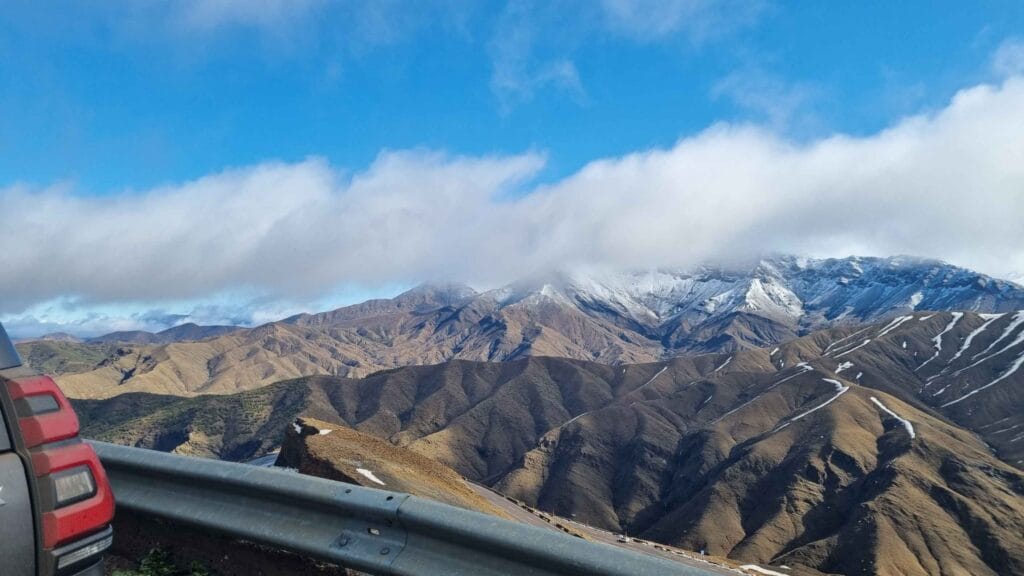
Morocco is known worldwide for its sweeping Sahara dunes, vibrant souks, and sun-soaked coastal cities — but snow in Morocco might not be what most people picture. Despite its reputation as a warm destination, Morocco’s mountainous landscapes and varied climate zones mean that snow is a real and fascinating part of the country’s weather story. Many travelers are surprised to learn that it does snow in Morocco — and not just occasionally. In specific regions, especially at higher elevations, snowfall occurs every winter, shaping the landscapes, local economies, and even offering opportunities for winter sports. In this guide, we’ll answer the big question: how often does it snow in Morocco? We’ll explore where snow is most common, how often it occurs in different regions, the timing and seasonal patterns, and why Morocco’s climate creates such a dynamic winter experience. Whether you’re curious about snow-covered peaks or planning a trip to see winter landscapes, this article will give you a complete picture of snowfall patterns across this diverse North African nation.
Morocco’s climate ranges from Mediterranean on the coast to arid and semi-arid inland, with mountain ranges cutting across the country. These climate differences are key to understanding snowfall patterns. Coastal cities like Casablanca and Rabat remain mild year-round, rarely seeing frost and almost never experiencing snow. In contrast, the Atlas Mountains and northern highlands develop winter conditions cold enough for snow due to their elevation and atmospheric dynamics. This variety makes Morocco one of the few African countries where snowy landscapes and warm deserts coexist.
The areas that consistently see snow each year include:
High Atlas Mountains — the most reliable snow in the country, hosting ski resorts like Oukaimeden.
Middle Atlas Mountains — towns like Ifrane often turn into winter wonderlands.
Rif Mountains — less predictable than the Atlas but still snowy at higher elevations.
These regions, particularly at elevations above 1,800–2,000 meters, receive snow every winter, often enough to fill ski slopes and provide seasonal scenes similar to European mountain destinations. assahifa
In the Atlas and Rif ranges, snowfall happens every winter. The duration and intensity vary year-to-year, but snow typically falls annually between December and March, with the peak of snowfall usually in January and February. Satellite images and meteorological observations confirm that significant snow cover develops regularly at high elevations.
Major cities (Casablanca, Rabat, Marrakech, Fes): Almost never see measurable snow. Even in cold winters, these places may get frost or very light flurries only in rare exceptional conditions.
Mountain towns (Ifrane, Midelt, Azilal): See snow almost every winter, especially above 1,500 m.
Highest peaks: Can remain snow-covered for extended periods and even support ski tourism.
For example, Fez’s climate data indicates snowfall happens on average once every few years within the city itself, but the surrounding highlands see snow much more consistently.
The Moroccan snow season runs roughly from late November through March, aligned with the region’s winter temperatures and moisture patterns.
Peak Snow Months
December: Snow begins in earnest in the higher ranges.
January–February: The most reliable and heavy snow months.
March: Snow may linger at high elevations but becomes less predictable.
These patterns align with broader Northern Hemisphere winter cycles, where colder air masses from Europe and the Atlantic interact with elevated terrain to produce snow at altitude.
Ifrane: The Coldest City in Morocco,Nestled in the Middle Atlas Mountains, Ifrane is known as the coldest city in Morocco. It holds the record for Africa’s lowest temperature, which dropped to −23.9°C (−11.0°F) on February 11, 1935. Thanks to its high altitude, Ifrane experiences heavy snowfall and much colder winters than most other regions in the country, giving it a unique alpine charm often compared to European mountain towns.
Weather alerts from Moroccan meteorological authorities show that snowfall depths of 10–50 cm are not uncommon in mountainous provinces during active winter weather systems. These events can affect travel, local communities, and water availability as the snow accumulates and melts.
While rare, there are occasional reports of light snow or flurries in regions not typically known for snow sometimes tied to unusual weather systems but these are exceptions rather than the rule.
Snowfall in Morocco is strongly tied to:
Elevation: Higher elevations have colder temperatures conducive to snow.
Latitude & weather systems: Interaction of Atlantic and Mediterranean systems drives winter precipitation.
Seasonal temperature drops: Essential for moisture to fall as snow rather than rain.
Long-term studies indicate that snow cover variability is significant year-to-year and may be influenced by broader climate trends, with warmer winters potentially reducing the snow extent at lower elevations. This mirrors global observations about snow cover and mountain climates warming faster at lower heights.
Snow in Morocco is more than weather spectacle, it’s an important natural water reservoir. Meltwater from winter snow in the Atlas feeds rivers and contributes to water availability during drier months, impacting agriculture and communities downstream. Seasonal snowmelt can provide a significant percentage of total river flow in affected basins.
Casablanca & Rabat: Snow is almost unheard of due to stable, mild coastal climate.
Marrakech: Rare flurries are recorded only under exceptional conditions, but snow in the city itself is highly unusual.
Fes: Snow is rare but has occurred several times over decades, with light events roughly every few years.
Urban snowfall events are notable when they happen because they break the typical pattern of cold but snowless winters in these cities.
Typical Experience
Travelers seeking snow should plan visits to the Atlas and northern mountains in winter months. At higher altitudes, winter gear and readiness for cold conditions are essential.
Best Regions to Observe Snow
Ifrane & Middle Atlas: Often snowy town ambiance.
Oukaimeden & High Atlas: Ski resort and snow terrain.
Rif Mountains & northern highlands: Occasional snow landscapes.
Seasonal conditions can vary annually, so local forecasts and weather alerts are valuable when planning.
No, it does not snow in Rabat. Because it is a coastal city on the Atlantic Ocean, Rabat has a mild Mediterranean climate. Even in the peak of winter (January and February), temperatures rarely drop low enough for snow.
Although Morocco is often associated with sun, desert, and dramatic landscapes, its snow story is rich and real especially in its mountainous heartlands. Snowfall happens every winter in the High and Middle Atlas, transforming the scenery with reliable seasonal snow that supports winter sports, water supplies, and unique travel experiences. Meanwhile, coastal and urban areas remain largely snow-free with mild winters, highlighting the country’s climate diversity. Whether you’re a curious traveler or a weather enthusiast, understanding how often it snows in Morocco reveals a side of the country that few expect: a place where desert heat and snowy peaks live side-by-side. Planning a visit during peak snow months (December–February) offers an opportunity to see these snowy landscapes up close.

Frequently Asked Questions (FAQs) – For Quick Answers
Yes — especially in the High and Middle Atlas Mountains, where snow falls annually in winter.
Snow in Marrakech itself is very rare; you’ll need to go up into the Atlas ranges for snow.
The most reliable snow months are December, January, and February.
Yes — snowmelt is an important water source feeding rivers and reservoirs.
Snow is extremely rare on the coast; these regions stay mild year-round.