What to wear in morocco
What to Wear in Morocco: Your Complete Travel Dress Code Guide Understanding the Morocco Dress Code: Culture, Modesty, and Respect...
Read More → The selection of Morocco as a host country for the 2026 World Cup marks a significant milestone for soccer in Africa. This prestigious event is not just about the sport; it’s an opportunity to showcase Morocco’s rich culture, advanced infrastructure, and renowned hospitality to a global audience.
Hosting the World Cup is expected to be a historic moment, both for Morocco and the African continent. It will bring together teams and fans from around the world, fostering a spirit of unity and competition.
Key Takeaways

As Morocco prepares to host the 2026 World Cup, the country is poised to make a lasting impact on the global soccer landscape. This event is not just a celebration of soccer; it’s a significant moment in the history of African sports.
The selection of Morocco as a host nation is a testament to the country’s growing capabilities and its commitment to promoting soccer across the continent. With this honor, Morocco joins a prestigious group of host countries that have shaped the World Cup’s history.
The FIFA World Cup has a rich history of being hosted by various countries, each leaving its unique mark on the tournament. From the inaugural 1930 World Cup in Uruguay to the most recent events, host nations have played a crucial role in shaping the identity and atmosphere of the competition.
Previous African hosts have set a high standard, with South Africa hosting the 2010 World Cup being a notable example. Morocco’s turn to host the event signifies a continued shift towards showcasing African hospitality and soccer talent on a global stage.
The 2026 World Cup in Morocco is expected to have a profound impact on African nations. It presents an opportunity for the continent to unify and celebrate its rich soccer culture. The event will likely inspire a new generation of soccer players and fans, promoting the development of the sport across Africa.
By hosting the World Cup, Morocco is not only putting its best foot forward but also paving the way for other African nations to participate and excel in future international soccer events.
Morocco’s hosting of the 2026 World Cup is anticipated to leave a lasting legacy, both in terms of infrastructure and the promotion of soccer. The event is an opportunity for Morocco to demonstrate its capabilities as a host nation, potentially boosting tourism and economic growth.
The legacy of hosting the World Cup will be multifaceted, including improved sports facilities, enhanced international reputation, and a stronger soccer culture within the country and across the region.
In conclusion, Morocco’s hosting of the 2026 World Cup is a significant event that promises to bring numerous benefits to the country and the African continent. It is a moment of pride and an opportunity for growth, both in terms of soccer development and cultural exchange.
The Moroccan national team is poised to make a statement at the 2026 World Cup, hosted on their home soil. With a rich soccer history and a passionate fan base, Morocco has the potential to be a formidable competitor in the tournament.
The team’s success will largely depend on the performance of its key players. Players like Achraf Hakimi and Sofyan Amrabat have been making waves in international soccer with their impressive skills and game-changing abilities.
Morocco’s squad is filled with talented individuals who have the potential to influence the outcome of matches. Some of the key players to watch include:
As noted by former soccer star and analyst,
“The likes of Hakimi and Amrabat are not just talented players, they are game-changers. Their ability to control the tempo of the game and create scoring opportunities will be crucial for Morocco’s success.”
The coaching staff, led by Walid Regragui, has been working tirelessly to develop effective soccer strategies that play to the team’s strengths. Their approach includes:
With a strong squad and effective coaching, Morocco’s national team is well-positioned to make a deep run in the 2026 World Cup.
The 2026 World Cup is set to bring a new era of soccer to Morocco, with extensive upgrades to its stadiums and infrastructure. This significant investment is not only enhancing the country’s sports facilities but also contributing to its economic development.
As part of the preparations, several modern facilities are being upgraded to meet the international standards required for World Cup matches.
As Morocco prepares to host the 2026 World Cup, the country anticipates substantial economic benefits. The event is expected to draw millions of visitors, thereby boosting various sectors of the economy.
Boosting Tourism and Hospitality
The tourism industry in Morocco is poised for a significant surge as the World Cup attracts fans from around the globe. According to a recent study, the influx of tourists is expected to increase by over 20% during the event, with many visitors likely to extend their stay beyond the tournament. This presents a lucrative opportunity for hotels, restaurants, and other hospitality services to capitalize on the increased demand.
Key areas of focus for the tourism and hospitality sector include:
Enhancing hotel capacities to accommodate the influx of visitors
Improving transportation infrastructure for easier travel
Diversifying culinary experiences to cater to international tastes
As Jaouad Hamri, Director of the Moroccan National Tourism Office, noted, “The World Cup is a chance for Morocco to showcase its rich culture and hospitality to the world, potentially turning visitors into long-term travelers and advocates for our country.”
Job Creation and Economic Growth
The preparation for the World Cup has already begun to stimulate economic growth in Morocco, primarily through job creation in construction, hospitality, and tourism. It’s estimated that thousands of jobs will be created, both directly and indirectly, contributing to the country’s economic development.
“The World Cup will be a game-changer for Morocco’s economy. We’re not just talking about the short-term benefits; this is a long-term investment in our infrastructure and human capital.”
Fouad Bensaid, Economic Advisor to the Moroccan Government
The economic impact extends beyond the tournament itself, as the improved infrastructure and increased international visibility are likely to attract further investment and tourism in the years following the event.
Morocco’s rich cultural tapestry will be on full display during the 2026 World Cup, offering visitors an unforgettable experience. The event is a perfect opportunity for the country to showcase its vibrant traditions, music, and cuisine to a global audience.
Showcasing Moroccan Traditions
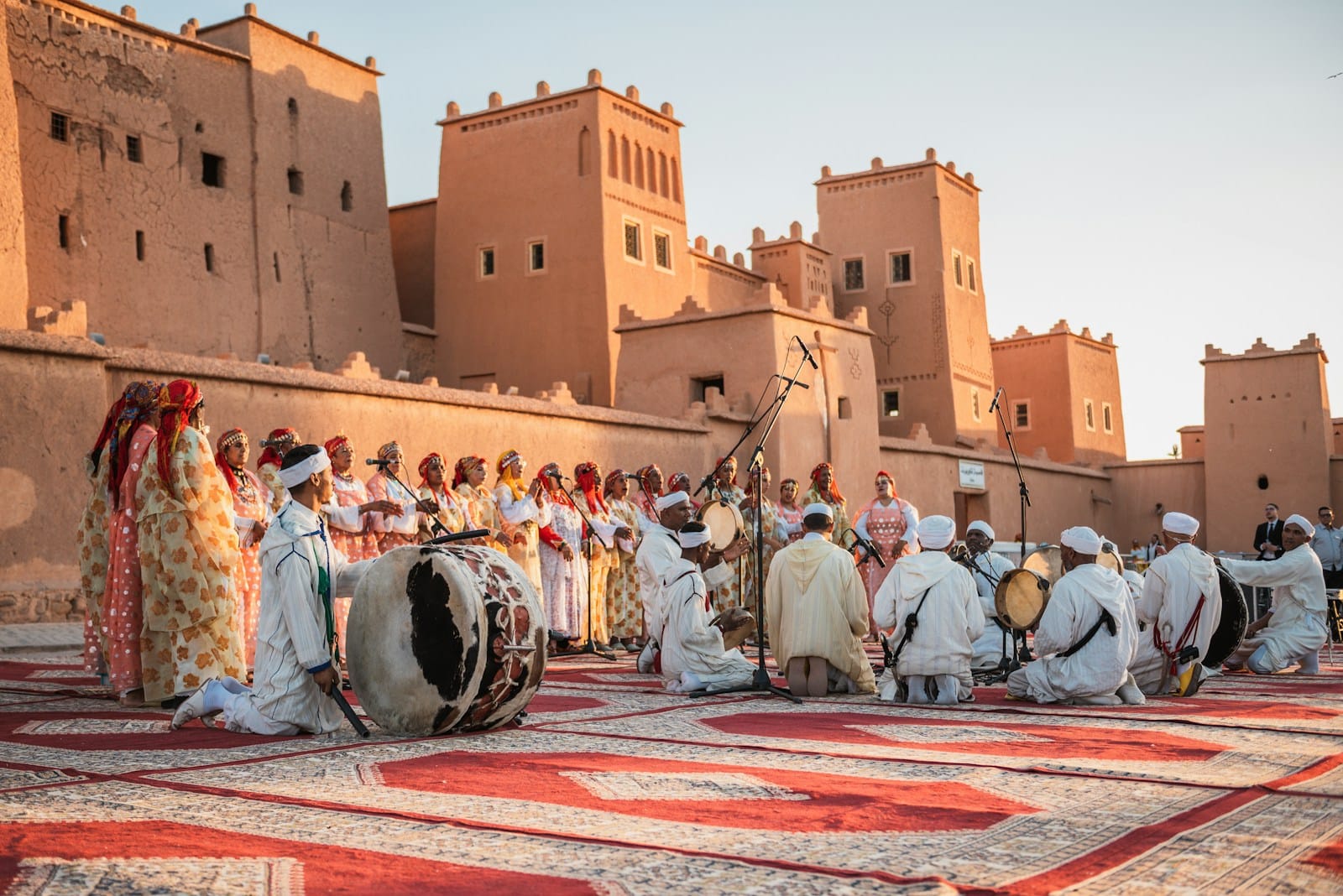
Moroccan traditions are deeply rooted in its history and Islamic heritage. During the World Cup, visitors can experience the country’s cultural richness through various events and exhibitions. For instance, traditional Moroccan crafts such as Zellij tile work and handmade textiles will be showcased in cultural festivals.
“The World Cup is a chance for Morocco to share its cultural treasures with the world, promoting cross-cultural understanding and appreciation.”
The government and local communities are working together to organize cultural events that reflect the country’s diverse heritage. These include traditional dance performances, such as the Gnaoua dance, and music concerts featuring Moroccan artists.
Food and Music at the Matches
Food plays a significant role in Moroccan culture, and during the World Cup, visitors will have the opportunity to savor traditional Moroccan cuisine. Popular dishes like tagine, couscous, and pastilla will be available at stadiums and fan zones.
The exact dates for the 2026 World Cup in Morocco are yet to be confirmed, but it is expected to follow the traditional FIFA World Cup schedule.
Morocco is planning to utilize a total of six stadiums across different cities for the 2026 World Cup, with some undergoing significant renovations and upgrades.
Morocco is implementing robust security measures, including advanced surveillance systems and increased security personnel, to ensure a safe and secure environment for all visitors.
Ticketing information for the 2026 World Cup, including purchase details and pricing, will be announced by FIFA in due course, with options likely to include online sales and authorized ticket vendors.