
Headscarf in Morocco: Traveler’s Guide to Customs, Culture & Respect
Headscarf in Morocco norms, etiquette, styles & what visitors need to know
Understanding Moroccan Cultural Context
Morocco’s cultural fabric blends Islamic tradition, Amazigh (Berber) heritage, and modern influences. As a majority-Muslim nation, religious values around modesty influence dress norms yet they are not legally mandated for all women. Moroccan women choose headscarves based on personal religious conviction, social context, and regional tradition, rather than legal requirement.
Islam and Modesty in Moroccan Society
Modesty is a central concept in Moroccan culture, rooted in Islam but expressed through a range of practices. Many Moroccan women wear a hijab or headscarf as an expression of faith. However, this is highly variable: in urban centers such as Casablanca, Rabat, and Marrakech you’ll see many women without headscarves, while in rural areas and smaller towns veiling is more common.
Morocco’s societal approach to head coverings is one of freedom of choice women are neither legally required to wear them nor legally forbidden from doing so.
Urban vs. Rural Dress Norms
In big cities, Western fashion and modern styles are widespread. Women in major urban areas often dress similarly to Western norms, and casual attire such as trousers and tops is common. However, modesty remains appreciated, especially in public spaces outside of tourist districts.
By contrast, rural villages and smaller towns tend to adhere to more conservative traditions. If you travel into the High Atlas, Rif Mountains, or less visited regions, you’ll notice more traditional dress including headscarves worn by local women.
Legal Status of Headscarves in Morocco
Unlike some countries in the region, Morocco does not legally enforce head covering for women. Wearing a headscarf is not compulsory by law and foreign visitors are free to dress as they choose.
However, certain types of burqas (e.g., Afghan style) are banned from sale and marketing due to security laws.
Is the Headscarf Compulsory for Visitors?
National Norms vs. Religious Sites
For tourists, the answer is straightforward: you do not have to wear a headscarf in Morocco. Female visitors are not required to veil in public areas or day-to-day life.
However, when entering mosques or religious shrines, covering your head (and dressing modestly overall) is highly recommended and sometimes required by local custom. Many travelers carry a lightweight scarf for this purpose.
What Locals Wear Today
Moroccan women’s choices vary: from no head covering at all, to hijab styles influenced by global fashion, to traditional veils in conservative communities.
This diversity reflects Morocco’s cultural mix religion, regional tradition, and personal identity all play a role.
Misconceptions Among Tourists
It’s a common myth that foreign women must wear a headscarf to avoid disrespect. While modest dressing is courteous, a headscarf is not compulsory outside of specific religious context, and many travelers visit comfortably without one.
When You Might Choose to Wear a Headscarf in Morocco
Visiting Mosques and Shrines
If you plan to enter a mosque or religious compound particularly those that welcome non-Muslims like Hassan II Mosque in Casablanca it’s respectful to cover your hair, shoulders, and legs. Carrying a small scarf in your daypack can be a practical solution.
Rural and Conservative Areas
In villages and traditional areas where headscarves are part of everyday local attire, wearing one can help you blend in and show respect for local customs. It signals cultural awareness and sensitivity.
During Religious Holidays
During Eid celebrations or Ramadan evenings, some travelers choose to adopt more modest attire including headscarves when visiting family gatherings or public festivities. This is not required but can reflect respect for host traditions.
Family Visits and Cultural Ceremonies
If you are invited into a Moroccan home for dinner or special events, covering your shoulders and carrying a scarf is often appreciated and helps avoid inadvertent cultural faux pas.
Types of Headscarves and Styles in Morocco
Hijab
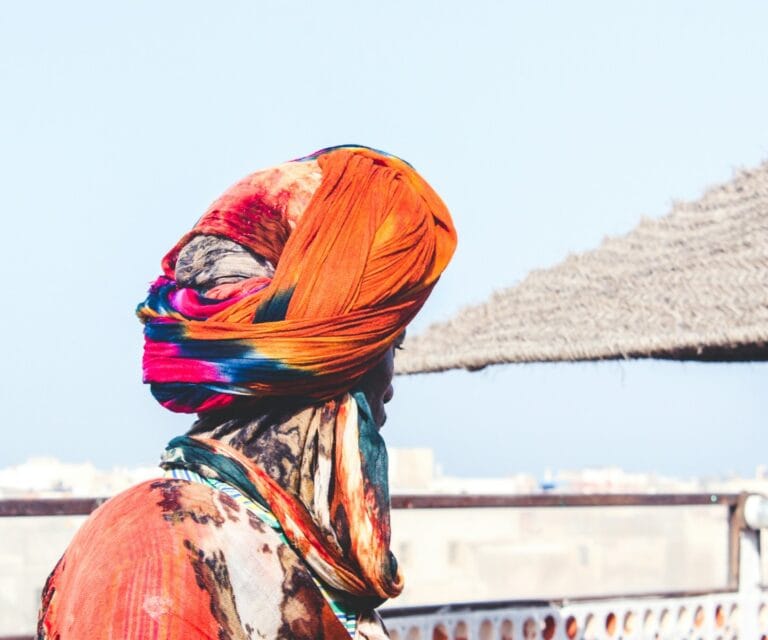
The hijab generally refers to a headscarf covering hair and neck while leaving the face visible. It’s the most commonly recognized style and widely worn across Morocco.
Shayla & Khmiss
Shayla: A long rectangular scarf that wraps around the head; popular for its versatility.
Khmiss: A regional, traditionally vibrant scarf that may signify local identity and fashion trends.
Regional Variations and Practical Uses
In desert regions, longer wraps or scarves can help protect against sand and sun. Each region includes stylistic nuances influenced by Amazigh craft traditions and climate needs.
Etiquette: How to Wear Headscarves Respectfully in morocco
Practical Tips for Travelers
Choose lightweight scarves for hot weather.
Keep them in your bag for mosque visits or spontaneous cultural events.
Observe local styles before adopting them — imitation is best when paired with respect.
Common Mistakes to Avoid
- Wearing a headscarf as a fashion accessory while ignoring modesty elsewhere (can be seen as disrespectful).
Assuming behavior in tourist resorts applies countrywide rural areas often observe stricter norms.
Verbal & Physical Respect in Religious Places in Morocco
Before entering mosques, always ask for permission. Speak softly and remove shoes when required. Respectful dress enhances your experience and shows appreciation for sacred spaces.
Secure Your Moroccan Adventure Today!
Dressing Modestly: Beyond the Headscarf in morocco
Clothing Norms for Women in Morocco
Women travelers are encouraged to dress modestly by covering shoulders, arms, and knees not only out of respect but also to reduce unwanted attention.
Clothing Norms for Men in Morocco
Men also benefit from modest dress norms long pants, shirts with sleeves, and respectful attire in religious and traditional settings show cultural sensitivity.
Balancing Comfort & Respect in Morocco
Packing loose, breathable fabrics helps manage Morocco’s warm climate while staying aligned with local expectations. Scarves, tunics, and maxi skirts are traveler favorites.
Headscarf in Moroccan Pop Culture & Society in Morocco
In Moroccan cities, headscarves can be fashion statements influenced by global trends. Younger women may blend modest dress with modern aesthetics, reflecting broader cultural dialogues about identity. This dynamic interplay is part of Morocco’s evolving cultural landscape.
Quick Takeaways
- A headscarf in Morocco is not legally required for visitors, but modest attire is appreciated.
- In tourist cities, Western dress is common, yet travelers benefit from modesty.
- Carrying a lightweight scarf is practical for religious sites or respectful interactions.
- Rural and conservative areas may expect more traditional dress.
Understanding local norms enhances respect and enriches your travel experience.
Conclusion
Traveling to Morocco invites you to engage with a culture where tradition and modernity meet. A headscarf in Morocco is not an obligation for visitors, but it is a meaningful part of cultural expression for many. Understanding when and why it’s worn — along with embracing broader norms of modest attire — enriches your travel experience and shows genuine respect for the people and places you encounter. Whether you’re exploring ancient medinas, sacred mosques, or remote mountain villages, simple awareness of dress etiquette helps you connect more deeply with Moroccan life and hospitality.