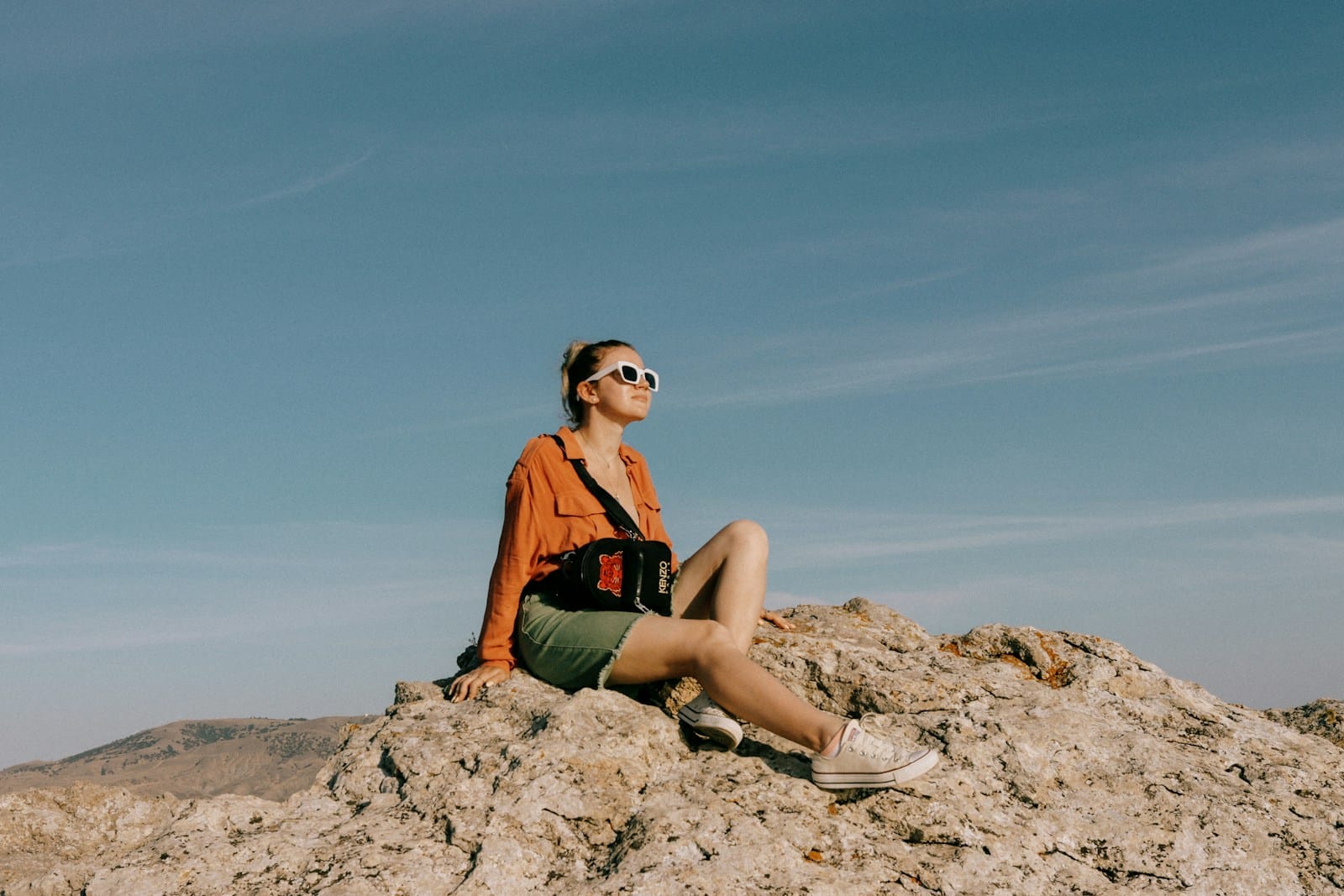
What to wear in morocco
What to Wear in Morocco: Your Complete Travel Dress Code Guide Understanding the Morocco Dress Code: Culture, Modesty, and Respect...
Read More → The safety of tap water in Morocco is a complex issue, influenced by multiple factors. Morocco, known for its rich cultural heritage and diverse landscapes, attracts numerous travelers and expats. Understanding the tap water safety is crucial for ensuring a healthy and enjoyable stay.
Understanding Morocco Water Quality Standards
Water quality standards in Morocco are set by the Ministry of Health and the Ministry of Energy, Mines, and Environment. These standards dictate the acceptable levels of various contaminants and parameters that determine the safety of tap water.
Key Parameters:
pH levels
Presence of bacteria and viruses
Concentration of heavy metals
Turbidity
The standards are designed to protect public health by ensuring that tap water is safe for consumption. However, the implementation and enforcement of these standards can vary across different regions.
Staying hydrated is crucial when traveling, especially to countries like Morocco where tap water safety can be a concern. Traveling can be dehydrating due to changes in climate, altitude, and activity levels. Ensuring you drink enough water is vital for maintaining your health and enjoying your trip to the fullest.
When traveling, it’s not just about drinking water; it’s about understanding how much water you need and why staying hydrated is so important. The dry climate of Morocco, for instance, can quickly dehydrate you, making it essential to drink plenty of water throughout the day.
The general recommendation for daily water intake varies, but a common guideline is to drink at least eight 8-ounce glasses of water a day, known as the 8×8 rule. However, this can vary based on individual needs.
activity level, and climate, For travelers, it’s advisable to increase this intake, especially in hot or dry climates. A good rule of thumb is to drink half an ounce to an ounce of water per pound of body weight. For example, a 150-pound person should aim to drink 75 to 150 ounces of water daily.
Staying hydrated has numerous benefits, especially when traveling. Proper hydration helps maintain energy levels, supports digestive health, and can even enhance your skin’s appearance. Moreover, hydration plays a crucial role in preventing dehydration, which can lead to headaches, fatigue, and more severe health issues.
Key benefits of staying hydrated include:
Exploring Morocco reveals diverse tap water quality across its regions, from cities to rural areas. The country’s water infrastructure varies significantly, impacting the safety and taste of tap water.
Major Cities: Casablanca and Marrakech
In major cities like Casablanca and Marrakech, the tap water quality is generally considered to be better compared to rural areas. These cities have more advanced water treatment facilities and better maintenance of water distribution systems.
Casablanca, being the economic hub, has seen significant investments in its water infrastructure, resulting in relatively safer tap water. Similarly, Marrakech, a major tourist destination, has improved its water services to cater to the needs of visitors and locals alike.
Rural Areas: Water Quality Variations
In contrast, rural areas in Morocco often face challenges related to tap water quality. The water infrastructure in these regions is sometimes underdeveloped, leading to variations in water quality.
Factors such as proximity to pollution sources, age of the water infrastructure, and maintenance practices play a crucial role in determining the tap water quality in rural areas. Travelers visiting these regions should be particularly cautious and consider alternatives to tap water.
Understanding these regional differences is key to making informed decisions about drinking tap water in Morocco. While major cities may have relatively safer tap water, rural areas require more caution.
One of the most significant health risks for travelers in Morocco is contracting a waterborne illness from consuming contaminated tap water. Waterborne illnesses can be caused by a variety of pathogens, including bacteria, viruses, and parasites.
Identifying Symptoms of Waterborne Diseases
Symptoms of waterborne diseases can vary widely but often include diarrhea, vomiting, stomach cramps, and fever. In more severe cases, waterborne illnesses can lead to life-threatening conditions such as kidney failure or severe dehydration. It’s crucial for travelers to be aware of these symptoms and seek medical attention if they experience them.
Some of the most common waterborne illnesses include:
Prevention Tips for Travelers
Preventing waterborne illnesses involves a combination of avoiding contaminated water and practicing good hygiene. Here are some tips for travelers:
By being informed and taking these precautions, travelers can significantly reduce their risk of contracting waterborne illnesses in Morocco.
Understanding the safety of tap water in Moroccan hotels is essential for a worry-free trip. While many hotels take significant measures to ensure their water is safe, the quality can vary.
Water Safety Practices in Accommodations
Hotels and resorts in Morocco often implement various water safety practices. These can include:
Recommendations from Hotels and Resorts
Some hotels explicitly state that their tap water is safe to drink, while others may recommend bottled water as a precaution. It’s always a good idea to:
Staying hydrated while exploring Morocco can be achieved through various alternatives to tap water. Travelers have multiple options to ensure they have access to safe drinking water throughout their journey.
Bottled Water Options in Morocco
Bottled water is widely available in Morocco, making it a convenient option for travelers. Major brands such as Sidi Ali and Sahara offer still and sparkling water. These brands are widely recognized and trusted, ensuring that visitors have access to safe drinking water.
Other Hydration Solutions
Apart from bottled water, there are other hydration solutions available for travelers in Morocco. These include:
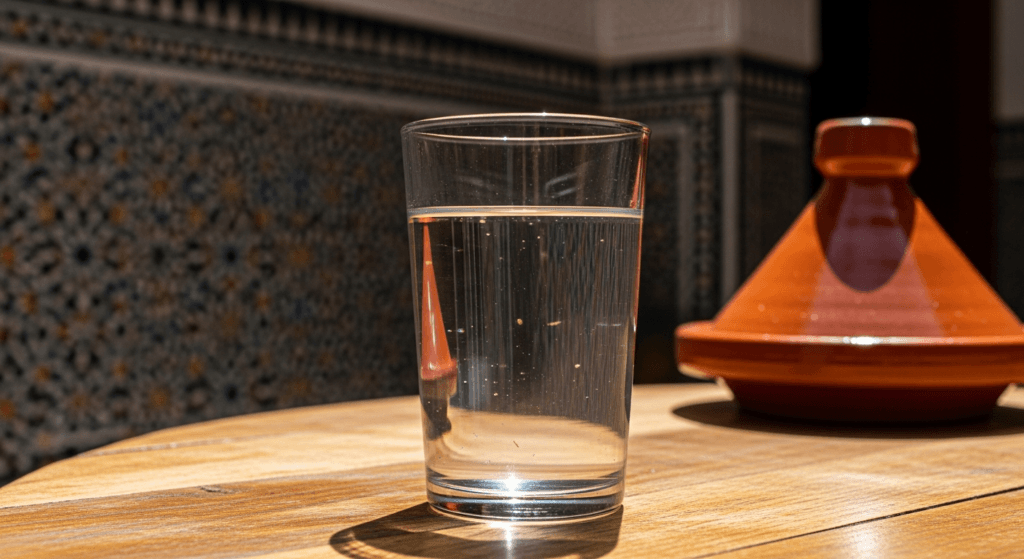
Travelers often face challenges in finding safe drinking water, but there are effective solutions. Ensuring access to safe drinking water is crucial, especially when traveling to countries with different water quality standards.
Boiling Water and Its Effectiveness
Boiling water is one of the simplest and most effective methods to make water safe for drinking. Bringing water to a rolling boil for 1-3 minutes can kill most bacteria, viruses, and parasites.
Effectiveness of Boiling: Boiling is effective against a wide range of pathogens, including those that cause cholera, typhoid, and dysentery.
Water Purification Methods
Apart from boiling, there are several other water purification methods that travelers can use. These include using water filters, purification tablets, and UV light purifiers. Each of these methods has its advantages and can be chosen based on the traveler’s specific needs and the nature of their trip.
Tap water in Morocco is a topic of varied opinions among the local population. While some residents have grown accustomed to drinking tap water, others remain skeptical about its safety.
Cultural Perspectives on Water Consumption
In Morocco, water is considered a precious resource, and its consumption is deeply rooted in cultural practices. Water is not just a necessity but a symbol of hospitality. Locals often view tap water as a convenient and reliable source for daily needs, but its potability can be a concern.
As one local resident noted,
“We have been drinking tap water for years, but we also know how to purify it if needed.”
This statement reflects the nuanced attitude towards tap water, balancing trust with caution.
Observations from Local Residents
Local residents have observed that the quality of tap water can vary significantly depending on the region. In major cities like Casablanca and Marrakech, tap water is generally considered safer due to better infrastructure and treatment processes.
Regional variations in tap water quality are a significant factor in shaping local attitudes. For instance, in rural areas, tap water may be more susceptible to contamination due to less stringent water treatment protocols.
Environmental factors play a crucial role in determining the quality of water in Morocco. Understanding these factors is essential for assessing the safety of tap water.
Pollution and Its Sources
Pollution is a significant environmental factor affecting water quality. The sources of pollution can be varied, including:
Climate Influence on Water Availability
Climate change also impacts water quality and availability. Changes in precipitation patterns and increased temperatures can:
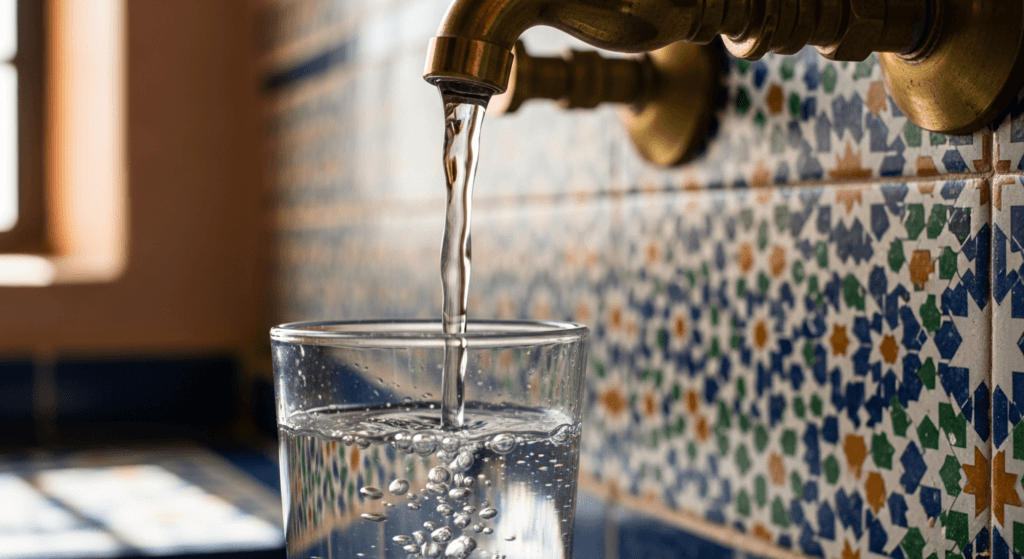
The Centers for Disease Control and Prevention (CDC) and the World Health Organization (WHO) are among the key health organizations that provide recommendations on tap water in Morocco. These organizations play a vital role in guiding travelers on how to stay safe while enjoying their trip.
Insights from the CDC and WHO
The CDC advises travelers to Morocco to avoid drinking tap water, recommending instead the use of bottled or filtered water. According to the CDC, waterborne diseases are a significant risk in many parts of the world, including Morocco. The WHO also emphasizes the importance of safe drinking water, highlighting that improperly treated water can lead to serious health issues.
“Access to safe drinking water is fundamental to health and well-being. In areas where tap water is not considered safe, alternatives such as bottled or boiled water should be used.”
— WHO Statement
Travel Advisory Updates
Travel advisories related to water safety in Morocco are regularly updated by health organizations. Travelers should check the latest advisories from the CDC and WHO before their trip. Key recommendations often include:
Using bottled water for drinking, brushing teeth, and washing fruits and vegetables.
Avoiding ice in drinks, as it may be made from tap water.
Opting for hot, cooked foods and avoiding raw or undercooked items.
By following these guidelines, travelers can significantly reduce their risk of contracting waterborne illnesses. It’s also advisable to stay informed about local water conditions and any outbreaks that may affect travel plans.
Traveling to Morocco can be a thrilling experience, but it’s essential to be mindful of the tap water quality to ensure a safe and enjoyable trip. By understanding the local water quality standards and taking necessary precautions, you can minimize the risk of waterborne illnesses.
Key Takeaways
The tap water in Morocco varies in quality across different regions. Major cities like Casablanca and Marrakech have relatively better tap water quality compared to rural areas. However, it’s still crucial to take precautions, such as boiling water or using purification methods, to stay safe.
Staying Safe While Traveling
To make the most of your trip, it’s recommended to stick to bottled or filtered water, especially when consuming it outside of your hotel or resort. Being informed about the local water quality and taking necessary precautions can help you stay safe and healthy during your travels in Morocco.