
Ouarzazate Morocco Travel Guide: Weather Guide & Top Travel Tips
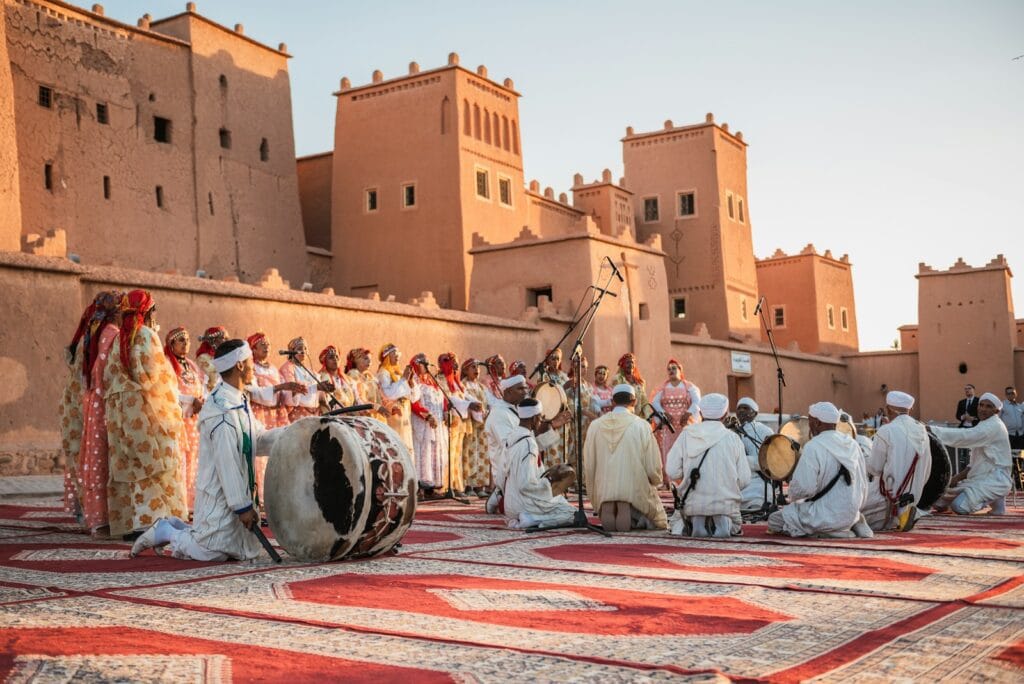
Ouarzazate Morocco: 10 Cultural Gems Explored Nestled between the majestic High Atlas Mountains and the endless expanse of the Sahara Desert, Ouarzazate, Morocco, stands as a truly breathtaking destination. This captivating city, often dubbed the “Hollywood of Morocco,” is renowned for its iconic film sets and studios, drawing cinephiles and adventurers alike. But beyond its cinematic allure, Ouarzazate also proudly wears the title of the “Gateway to the Sahara,” offering unparalleled access to mesmerizing desert landscapes and unforgettable experiences. What truly makes Ouarzazate special is its unique blend of traditional Moroccan culture and modern charm. Here, ancient kasbahs stand testament to centuries of history, while vibrant markets buzz with local life. The stunning natural landscapes, from rugged mountains to golden dunes, provide a dramatic backdrop to captivating architecture and a rich cultural tapestry. This comprehensive guide is your essential companion to uncovering the magic of Ouarzazate. We’ll delve into everything from its cinematic wonders to thrilling desert adventures and deep cultural immersion, ensuring you craft an unforgettable Moroccan escape. But first, a question that often arises: Is a desert tour from Ouarzazate worth it? The resounding answer is a passionate yes. The journey into the Sahara from Ouarzazate promises stunning views, unparalleled tranquility, and memories that will last a lifetime. Prepare to be captivated by the sheer scale and beauty of the desert, an experience that is truly transformative. Ouarzazate: The “Hollywood of Morocco” Unveiled Ouarzazate, Morocco, has earned its stellar reputation as a filmmaker’s paradise, a treasure trove of cinematic wonders where the desert meets the silver screen. A Filmmaker’s Paradise: Iconic Film Studios & Sets The city is home to renowned movie studios, including those recognized by the Atlas Corporation. Stepping onto these sprawling lots feels like a journey through film history. You can explore replica film sets that offer a unique glimpse into the world of filmmaking, from ancient Roman arenas to elaborate Egyptian temples. These studios often meticulously recreate ancient cities and diverse desert landscapes, making them ideal backdrops for historical epics and fantastical tales. Behind the Scenes of Blockbusters Beyond the sets themselves, Ouarzazate has played a pivotal role in the making of countless famous films and TV shows. Imagine walking in the footsteps of cinematic legends! The region’s breathtaking desert landscapes and historic kasbahs have captivated filmmakers for decades. Key examples include epic productions like “Gladiator” (2000), “Lawrence of Arabia” (1962), and the global phenomenon “Game of Thrones” (2011-2019). The vast, sun-drenched panoramas and the authentic, timeless feel of the surroundings have cemented Ouarzazate’s status as a top-tier filming location. This cinematic charm isn’t just for the cameras; it’s an integral part of the city’s identity, allowing visitors to experience the magic of Hollywood against an authentically Moroccan backdrop. When considering hotels in Ouarzazate Morocco, many are conveniently located near these studios, offering easy access to this unique aspect of the city. Thrills & Tranquility: Outdoor Activities in the Atlas & Beyond While Ouarzazate, Morocco, is renowned for its cinematic allure and desert adventures, it also serves as a fantastic base for exploring the rugged beauty of the High Atlas Mountains and beyond, offering a plethora of outdoor activities that cater to both thrill-seekers and those seeking tranquility. Explorations in the High Atlas Mountains Just a short distance from Ouarzazate, the High Atlas Mountains present a dramatic landscape of towering peaks, deep gorges, and verdant valleys. This region offers incredible opportunities for hiking and exploration. Scenic Mountain Trails: Embark on invigorating hikes along scenic mountain trails, where you’ll discover breathtaking viewpoints and traditional Berber villages clinging to hillsides. Combined Tours: Many tour operators offer exciting combinations of desert exploration with mountain trekking, allowing you to experience the diverse topography of this part of Morocco. Imagine starting your day with a camel trek and ending it with a refreshing mountain hike. Other Trekking and Nature Adventures The natural wonders surrounding Ouarzazate extend beyond the immediate mountain ranges: Iriki National Park Trek: For a deeper dive into untouched nature, a trek through Iriki National Park offers a chance to observe desert wildlife and unique ecosystems. Tissint Waterfalls and Lake Iriki, Engraving Rocks: Discover hidden gems like the Tissint Waterfalls, a surprising splash of life in an arid landscape, and the tranquil Lake Iriki. Explore ancient engraving rocks, offering a glimpse into prehistoric civilizations. Trek from Oasis to Erg Chegaga: This more challenging trek allows you to truly immerse yourself in the desert, moving between lush oases and the vast, undulating dunes of Erg Chegaga. Scenic Bike Tours For cycling enthusiasts, Ouarzazate and its surroundings offer diverse landscapes for scenic bike tours. Pedal through arid deserts, past ancient kasbahs, and into lush oases, experiencing the varied beauty of the region at your own pace. Whether you’re a casual rider or a seasoned cyclist, there are routes to suit every level. Many hotels in Ouarzazate Morocco can assist with bike rentals and guided tours. Planning Your Extraordinary Ouarzazate Escape Embarking on an adventure to Ouarzazate, Morocco, is an exciting prospect. To ensure your trip is extraordinary and seamless, careful planning is key. Immersive Cultural Experiences To truly connect with the soul of Ouarzazate, delve into its vibrant local culture: Local Cuisine & Artisan Markets: Savor the mouthwatering delights of Moroccan cuisine. Aromatic tagines, slow-cooked to perfection, and fluffy, delectable couscous are staples that will tantalize your taste buds. Explore the bustling Jingle Holiday Bazar and other local artisan markets, where a kaleidoscope of traditional crafts, exotic spices, and unique souvenirs await. Here, you can find hand-woven carpets, intricate silver jewelry, and beautiful leather goods. Artisan Workshops: Witness the skill and dedication of local craftsmen in their workshops. From intricate metalwork to vibrant pottery and delicate embroidery, these artisans keep ancient traditions alive. Visiting these workshops offers a chance not only to purchase a unique memento but also to take home a piece of Morocco’s rich artistic heritage. Berber Culture: Experience the warm hospitality of the Berber people, the indigenous inhabitants of North Africa. Their rich traditions, music,
Rabat North Africa: A Complete Travel Guide to Morocco’s Capital City
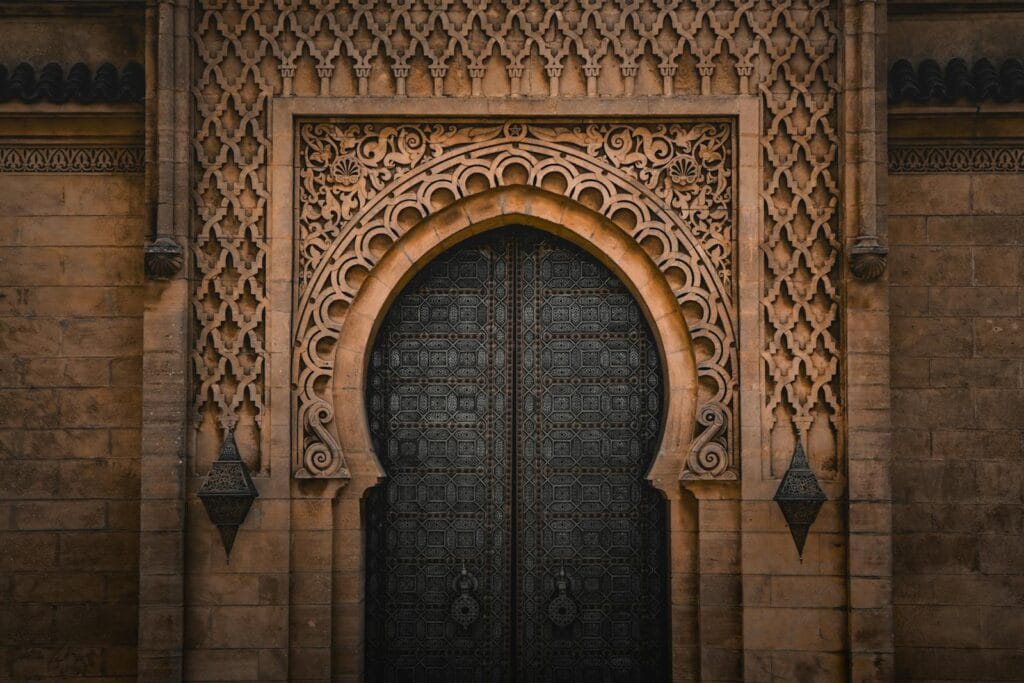
Things to Do in Rabat: The Best of Morocco’s Capital Rabat, Morocco’s capital, offers a captivating blend of history and modern charm. Don’t miss exploring the Kasbah of the Udayas, a picturesque fortified village with blue and white houses, stunning river views, plan your trip is rabat worth visiting Many first-time travelers to Morocco mistakenly assume that the vibrant, bustling souks of Marrakech or the modern metropolis of Casablanca serve as the nation’s capital. However, the true administrative and political heart of Morocco beats calmly and elegantly in Rabat. This often-overlooked city quietly holds its own, offering a unique blend of history, culture, and coastal charm that begs the question: is Rabat worth visiting?The answer is a resounding, unequivocal YES!Rabat surprises and delights visitors with its unique character. Far from the overwhelming crowds and sometimes frenetic energy of other Moroccan tourist hotspots, Rabat offers a refreshing sense of calm, cleanliness, and order. It’s a city where ancient history gracefully coexists with modern vibrancy, where palm-lined boulevards lead to UNESCO World Heritage Sites, and where the gentle rhythm of Atlantic waves provides a soothing soundtrack. This guide will dive deep into everything Rabat has to offer, from its must-see attractions and safety considerations to budget-friendly tips and comparisons with other Moroccan cities, ensuring you understand why things to do in Rabat Morocco are truly special. Top Things to Do in Rabat: Unforgettable Experiences Await If you’re still asking yourself is Rabat worth visiting, wait until you see the incredible array of experiences awaiting you. The city offers a rich tapestry of attractions that cater to every interest. The Iconic Duo: Hassan Tower & Mausoleum of Mohammed V These two architectural marvels stand side-by-side, symbolizing Rabat’s rich past and its reverence for its leaders. Hassan Tower: Explore this “45-meter-tall minaret” from an unfinished mosque. Intended to be the world’s largest, it remains a “symbol of Rabat” with its “beautifully adorned carvings.” The sheer scale of the vision behind it is awe-inspiring. Mausoleum of Mohammed V: Just opposite the tower, this “stunning piece of modern Moroccan architecture” serves as the “final resting place for Mohammed V and his son, Hassan II.” Its “intricate tile work and beautifully carved ceilings” are exquisite, and the ceremonial rifle-wielding guards add to the solemn yet captivating atmosphere. Wander Through Time: The Kasbah of the Oudaias Perched dramatically at the mouth of the Bou Regreg River, this fortified village is a true highlight of things to do in Rabat Morocco. Blue-Washed Charm: Get lost in its “narrow streets lined with white and blue buildings,” offering a “picturesque” and distinct “Andalusian vibe.” Every corner is a photo opportunity. Andalusian Gardens: A tranquil and “peaceful retreat” within the Kasbah, these lush gardens are perfect for a moment of relaxation amidst fragrant flowers and shaded pathways. Entry is free. Panoramic Views: Enjoy “stunning views of the Atlantic Ocean and the nearby city of Salé.” It’s also one of the “most incredible sunsets in Morocco,” painting the sky in fiery hues over the ocean. Bab Oudaia: Discover this “monumental gateway” to the Kasbah, a “remarkable example of Almohad architecture,” setting the tone for your historical journey inside. Delve into History at Chellah Necropolis Explore these “ancient Roman and Islamic ruins,” a UNESCO World Heritage Site that provides a glimpse into centuries of history. Beyond its archaeological significance, Chellah is notable for its “large stork colony,” whose nests atop ancient columns add a unique, almost whimsical, touch. Explore the Laid-Back Medina Rabat’s historic quarter offers a “refreshing escape” from the more aggressive sales tactics found elsewhere. Here, you’ll experience a genuine, lively medina with less hassle from touts and shopkeepers. It’s perfect for exploring budget-friendly food and finding handmade goods at Souq es Sebbat and Fondouk Ben Aïcha. This is where the true heart of the city beats, and exploring the local life is one of the best things to do in Rabat. Art and Culture Immersion Rabat also offers a vibrant arts scene: Mohammed VI Museum of Contemporary Arts: Housed in a “beautifully restored French colonial building,” this museum showcases “Morocco’s top artistic talents” and emerging artists, providing a window into the country’s modern creative expressions. Museum of History and Civilisations: Home to “Morocco’s best archaeological museum,” it features ancient artifacts from pre-Roman civilizations, including stunning bronzes, ceramics, and statues. National Museum of Jewellery and Adornment: A “hidden gem” within the Andalusian Gardens, displaying a dazzling collection of Moroccan jewelry that reflects the country’s rich artisanal heritage. Modern Rabat: The Ville Nouvelle Stroll through “tree-lined streets” filled with “beautiful French colonial buildings” and “alfresco restaurants.” This modern part of the city offers a different, yet equally charming, perspective on Rabat’s urban landscape. Beyond the Mainstream: Rabat’s “Hidden Gems” for Adventurous Souls For those seeking unique and offbeat experiences, Rabat delivers: The Beachfront Surf Spot: Rabat’s popular beach boasts swells reaching “10+ feet” and warm water, making it “great for beginners.” Seek out Nabil’s small surf shop near the Kasbah for lessons and rentals at “about half the price” and friendlier service, even offering classes for young girls. Cliff Jumping Behind the Kasbah: Find “amazing cliff jumping spots” near where the ocean meets the river, a popular haunt for local boys showcasing their daring dives. Pizzeria/Café Odyssia: A “must if you’re a woman living in Rabat,” this woman-run cafe offers a safe, smoke-free atmosphere, “delicious pizza for very cheap prices,” and “excellent wifi.” Ladies Night at the Dhow: Visit this “literal pirate ship sitting on the water front” for a restaurant and nightclub experience. On Ladies’ Night (check website for details), “girls are allowed free wine seemingly without limit.” The Secret Liquor Store: For those looking to stock up, find a “little garage-style shop right on the city wall.” Be aware of social customs and potential interested looks, especially if you look “passably Moroccan.” Itineraries for Every Traveler: Making the Most of Your Time in Rabat Whether you have a day or a week, Rabat offers flexible itineraries to maximize your visit.
is morocco safe for women
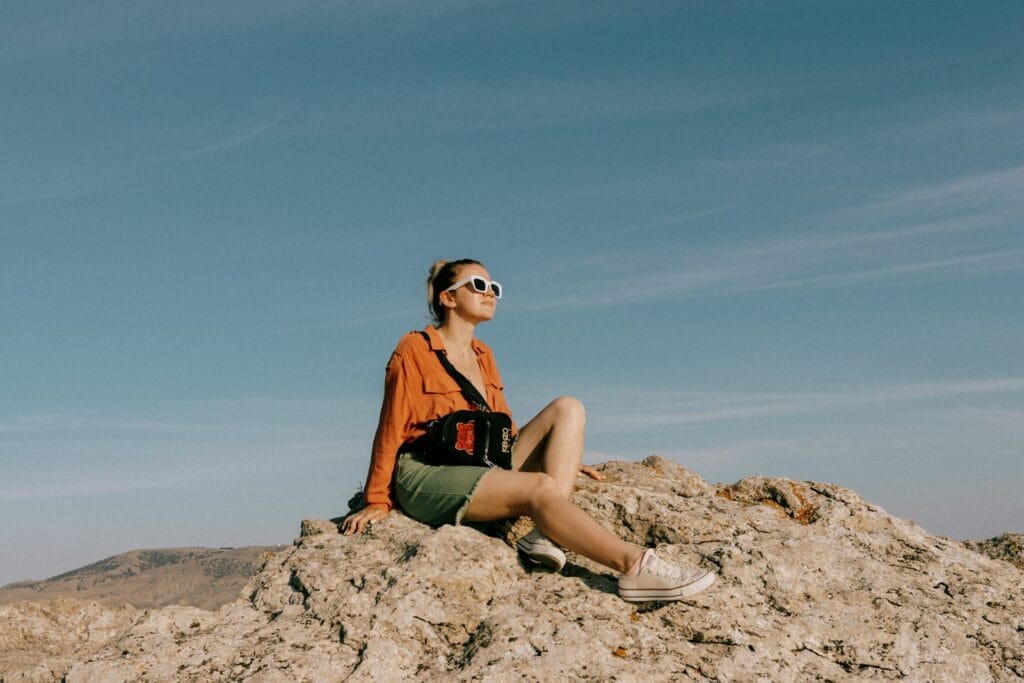
Is Morocco Safe for Women? Yes, Morocco is safe 7 Tips for Solo Travel Learn More Morocco Safety Guide for Solo Female Travelers: What to Wear & Know Is Morocco Safe for Women? Yes, Morocco is safe for women Yes, Morocco is safe for female travelers compared to many global destinations. According to the US Department of State, Morocco has a low crime rate, and most crimes that do occur are non-violent and petty theft, like pickpocketing and purse-snatching, are prevalent, particularly in crowded markets, streets, and public transport. Morocco is generally safe for solo female travelers, but it’s essential to take precautions and be aware of your surroundings. we experienced fewer safety concerns here than in places like the US, London, or Germany. The main discomfort typically stems from aggressive vendors or children seeking money rather than genuine safety threats. women are generally free to choose whether or not to cover up and wearing a hijab, headscarf, or anything else is not enforced by law. Many women do travel to Morocco successfully and safely. The key is being prepared, staying aware of your surroundings, and respecting local customs. If you’re concerned, If you’re concerned about safety, consider traveling with reputable tour companies like Morocco Vacation Planner or in groups, especially for your first visit. Morocco Vacation Planner specializes in creating safe, well-organized itineraries that help solo female travelers navigate Morocco confidently while experiencing the country’s rich culture and stunning landscapes.” What to Wear in Morocco as a Woman? While Morocco has no legal dress code, cultural norms favor modest attire. Local women often wear hijabs or headscarves by personal choice, not legal requirement, for travelers, the general expectation is covering shoulders and knees at minimum. The majority of tourists wore light clothing: Lightweight pants or knee-length skirts/dresses T-shirts or tops that cover the chest and shoulders Breathable fabrics suitable for the climate Can Women Wear Shorts in Morocco? Yes, while some tourists wear shorts in Morocco, they are rarely seen on local women. Opting for modest clothing, rather than making a fashion statement, is often a practical choice. Dressing modestly can help travelers feel more comfortable and avoid attracting unwanted attention, making the overall experience more relaxed and enjoyable. Reservation Is Morocco Safe for Women?: Packing Recommendations During the day, the sun can be intense. Wear a sun hat to protect your face and head from direct sunlight. A wide-brimmed hat made of breathable materials like cotton or linen works well. Sunglasses are essential. Choose a pair with UV protection to shield your eyes from the harsh sun. A lightweight scarf can protect your neck from sunburn and can also be used as a head covering for visiting mosques. Look for scarves made from breathable fabrics to stay cool. A comfortable crossbody bag can be a practical and stylish way to carry essentials while keeping your hands free and your belongings secure. Consider including: Breathable, lightweight pants Water-resistant light jacket for layering Sunglasses and sun protection Versatile scarf (can be purchased locally) Reef-friendly sunscreen View Details Solo Female Travel in Morocco: Is It Safe? During solo outings in Morocco, many travelers report receiving more glances but generally do not feel threatened. For added security, it’s recommended to: Ensure phone connectivity with a local eSIM for easy communication. Purchase travel health insurance for peace of mind during your trip. LGBTQ+ Travel Considerations LGBTQ+ travel in Morocco presents mixed experiences. While some travelers report positive and welcoming encounters, particularly in more progressive cities like Tangier and Casablanca, it’s important to note that same-sex activity is legally prohibited in the country. Public displays of affection, regardless of sexual orientation, are generally discouraged due to cultural norms. For LGBTQ+ travelers, it’s advisable to exercise discretion and research local attitudes before visiting. Connecting with LGBTQ+-friendly accommodations or tour operators can also enhance safety and comfort during your stay same as Morocco Vacation Planner Important Cultural Notes Public displays of affection are strongly discouraged regardless of orientation. Additionally, some hotels may not allow unmarried couples to share rooms, though this policy is often more relaxed for non-Moroccan tourists, despite these cultural differences, Morocco generally welcomes visitors with warmth and hospitality, often accompanied by the country’s signature mint tea. Discover Morocco Trips Dreaming of an unforgettable Moroccan adventure? A Morocco vacation planner transforms your travel aspirations into a seamless reality. View Morocco Packages
Moroccan Musical Instruments
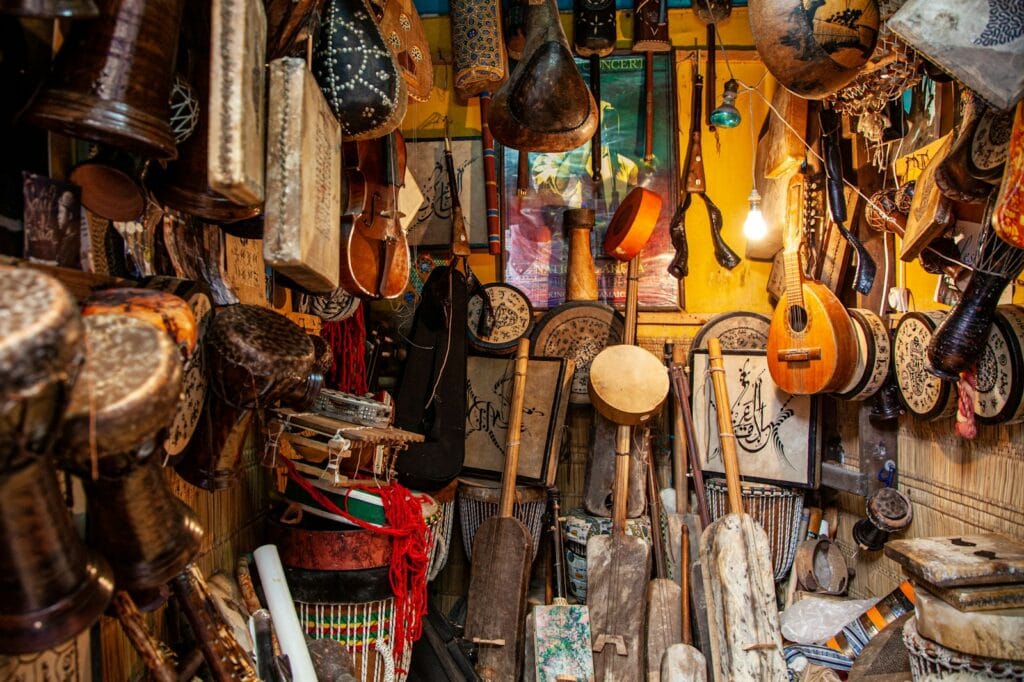
morocco instrument sound Traditional Moroccan Music Instruments: Traveler’s Sound Guide Morocco is not just a visual feast it’s a sonic treasure chest brimming with diverse musical traditions that reflect its rich cultural tapestry. From the hypnotic rhythms of Gnawa trance ceremonies to the spirited Celebrations in Jemaa el-Fna, the sounds of traditional Moroccan music instruments are an essential part of the country’s identity and a must-experience for any traveler. These instruments whether stringed, wind, or percussion tell stories of history, spirituality, community, and lifelong celebrations. In this guide, we’ll explore the most iconic instruments you’ll encounter on the streets, in festivals, and inside the walls of ancient kasbahs and riads. You’ll discover how each instrument is made, how it’s played, and the role it plays in music styles like Gnawa, Chaabi, Andalusian, and Berber folk. Along the way, you’ll learn where to hear these instruments live on your Moroccan travels and gain insights into the craftsmen who keep these traditions alive. Let’s embark on a melodic journey into Morocco’s heart and soul one rhythm, one string, one note at a time. instruments of morocco Guembri — The Heartbeat of Gnawa Music The Guembri (also called sintir, gimbri, or hejhouj) is arguably Morocco’s most emblematic traditional instrument and truly at the core of Gnawa music. It’s a three-stringed bass lute with a body carved from wood and often covered with camel skin, giving it a deep, earthy resonance. Played by a maâlem (master musician), the guembri sets the foundational rhythm in Lila ceremonies spiritual gatherings meant to induce trance, healing, and communal unity. Its tones often resemble a double bass but with a texture unique to North African string instruments. The technique of plucking combined with rhythmic body strikes makes the guembri both melodic and percussive. Travelers will most often encounter the guembri in coastal Essaouira during the celebrated Gnawa Festival, or in intimate street performances in Marrakech and Fes. It stands as a bridge between musical performance and spiritual experience that is central to Moroccan culture. Oud — The Lyrical Lute of Morocco The Oud is a fretless, pear-shaped lute with a rich history across the Arab world, and in Morocco it plays a pivotal role in Andalusian classical music, Chaabi, and contemporary fusion. With 10–11 strings typically plucked with a plectrum, the oud creates warm, expressive soundscapes that range from melancholic to joyful. Its versatility makes it a favorite in both instrumental solos and ensemble performances. Many Moroccan musical evenings feature the oud alongside percussion and wind instruments, making it a must-hear for travelers interested in classical North African music traditions. Rabab — The Bowed Storyteller The Rabab is an ancient, bowed string instrument with a sound that speaks to the soul. It has one or sometimes two strings and is played with a horsehair bow. Used especially in rural and Berber music traditions, the rabab’s tone is raw and emotive, often accompanying vocal storytelling or poem recitation. It’s particularly significant in the Atlas mountain regions where music traditions are tightly interwoven with daily life and heritage. Loutar — Berber Plucked Tradition The Loutar is a plucked lute often associated with Berber communities in Morocco’s Middle Atlas. While similar in concept to the guembri, the loutar has its own distinct tuning and melodic patterns that reflect Amazigh musical scales and rhythms. Travelers exploring Berber villages will hear this instrument in folk festivities and home gatherings where it defines the musical heartbeat of local culture. moroccan percussion Bendir — The Rumba of Morocco The Bendir is one of the most recognizable traditional Moroccan music instruments in the percussion family. It’s a large frame drum with a skin stretched over a wooden hoop. What makes the bendir distinctive is its buzzing sound, thanks to strings or snares attached to the drumhead, and its rhythmic versatility. Common in Chaabi, Gnawa, and Berber music, it’s often played by hand in ensembles and provides rhythms that are both grounding and infectious. In Morocco, you’ll hear the bendir at festivals, wedding celebrations, and in medina squares as local musicians showcase their percussive talents. Darbuka & Taarija — Dance-Pushing Drums The Darbuka (or derbouka) is a goblet-shaped hand drum that delivers bright, crisp tones. Though common across North Africa and the Middle East, it has a strong presence in Morocco’s Chaabi and street music. Its smaller cousin, the Taarija, is a clay-based hourglass drum used especially during festive occasions. Together, these drums drive foot-tapping beats and invite participation from listeners and dancers. Krakeb — Rhythmic Castanets of History The Krakeb (also spelled qraqeb or qaragib) are large iron castanets that produce a metallic, clacking rhythm foundational to Gnawa ensembles. More than just percussion, their sharp sound carries historical resonance symbolizing chains and the rhythmic pulse of ancestral memory in Gnawa traditions. Their energetic patterns are impossible to miss and instantly evoke the spirit of Moroccan street music. Wind Instruments Rhaita / Ghaita — Celebration Wind Voice The Rhaita or ghaita is a double-reed wind instrument similar to an oboe or shawm, known for its piercing and celebratory sound. Often featured during weddings, parades, and rural festivities, the ghaita’s shrill, vibrant tones cut through crowds and complement rhythmic percussion beautifully. Travelers will recognize it instantly when it wails during joyful Moroccan celebrations Nay — The Breath of Melody The Nay is a reed flute that adds soft, lyrical melodies to musical ensembles. Its airy tone evokes mysticism commonly heard in Sufi gatherings, Andalusian music, and weddings. For visitors seeking a quieter, more meditative musical experience, the nay is worth seeking out in classical performances or cultural music evenings. morocco instrument sound: Where to Hear Traditional Moroccan Music Live Marrakech — Jemaa el-Fna’s Nightly Soundscape In Marrakech’s central square, live performances of bendir, oud, krakeb, and guembri fill the air every evening. Street musicians perform for locals and travelers alike, creating an immersive sonic experience. Essaouira — Gnawa Festival Each year, Essaouira hosts the Gnawa Festival, a world-renowned gathering where traditional instruments take center stage. Travelers can
Transportation in Morocco: 7 Amazing Ways I Navigate This Country
Transportation in Morocco: 7 best Ways I Navigate This Country “Discover the diverse and surprising methods of getting around Morocco, from bustling cityscapes to remote regions, as I share my top 7 go-to Transportation in Morocco.” Full Morocco Guide Transportation in Morocco: A Personal Journey Three years ago, I landed in Casablanca thinking I was all prepared with my backpack and a vague plan to “see Morocco.” Spoiler alert: I wasn’t prepared at all. What happened next was six weeks of the most incredible, sometimes hilarious, occasionally terrifying adventures of my life. And honestly? Transportation in Morocco was like playing travel roulette every single day. Picture this: my very first taxi ride from the airport involved me and the driver having an entire conversation through dramatic hand gestures because neither of us spoke the other’s language. I’m pretty sure he thought I was having some kind of breakdown when I kept pointing at the meter and saying “please” in increasingly desperate tones. But here’s the thing – figuring out Morocco transportation wasn’t just about getting from A to B. It was like getting a crash course in Moroccan culture, patience, and the art of not taking yourself too seriously. Every bus ride, taxi negotiation, and train delay taught me something new about the country and, let’s be honest, about myself. Public Transport In Morocco: Where I Learned to Go with the Flow I’ll be real with you – Transportation in Morocco and I had a love-hate relationship at first. But by the end? I was totally smitten. Sure, you need patience and a good sense of humor, but it’s cheap, it works, and you’ll meet the most amazing people. Train In Morocco: My Happy Place on Wheels After spending a week getting lost in Marrakech’s medina (seriously, Google Maps is useless there), stepping onto my first train felt like entering a magical air-conditioned paradise. I’m talking actual seats! Schedules! People not trying to sell me carpets every five minutes! My first ONCF train ride from Casablanca to Marrakech was when I realized I’d fallen in love with Moroccan rail travel. I splurged on first class – and by splurged, I mean I paid like $15, which is less than I spend on lunch back home. The best part? This super nice Moroccan businessman spent the entire three-hour journey teaching me Arabic numbers. Game changer for every taxi ride after that. But here’s where I learned about “Morocco time.” The 11:15 train? Yeah, that left at 12:20. The conductor’s announcement basically amounted to “we’ll leave when we leave, inshallah.” Once I stopped checking my watch every five minutes, train travel became way more chill. The coolest train experience was definitely the high-speed Al-Boraq from Tangier to Casablanca. I felt like I was in Japan or something – this sleek, modern train zipping through Moroccan countryside at crazy speeds. Two hours instead of six by bus? Yes, please! Though my wallet wasn’t thrilled about the upgrade. Real talk: Book first class tickets ahead of time, especially during holidays. I once spent four hours standing in a packed car because I thought I could just wing it. My feet still haven’t forgiven me What to Wear in Morocco: Your Complete Travel Dress Code Guide Read MORE CTM Morocco Buses: The Real Morocco Experience If trains were my gentle introduction to Morocco, buses were like jumping into the deep end. My first CTM bus from Marrakech to Essaouira was amazing – modern, AC, a driver who actually stopped at red lights. I was like, “This is easy!” Then I took a local bus back from some tiny Atlas Mountain village. Oh. My. God. Picture a bus from the ’80s held together with duct tape and prayers, no AC in 100-degree heat, and actual chickens on the roof. The driver treated those mountain curves like he was in Fast and Furious. But you know what? It was also where I had my first real conversation with locals, learned to eat sunflower seeds properly, and discovered that mint tea shared with strangers hits different. The overnight bus to Merzouga for my desert trip was an adventure. I made the rookie mistake of sitting on the sunny side and basically turned into human jerky by sunrise. This sweet Moroccan grandma next to me took pity on me and shared her homemade bread for breakfast. Still one of the best meals I had there. My bus survival kit: Motion sickness pills (trust me on this), a good neck pillow, tons of water, and small bills for bathroom breaks. You’ll thank me later. Twitter Facebook-f Youtube Book CTM Morocco Taxis: The Wild West Transportation in Morocco: Oh man, Morocco taxis. They’re everywhere, they’re cheap, and they’re… well, let’s just say every ride is an adventure. I went from being completely terrified to actually enjoying the chaos. My first petit taxi in Marrakech was a disaster. The driver said his meter was “broken” (spoiler: it wasn’t), I panicked and just agreed to whatever he said, and ended up paying about five times too much for a ten-minute ride. But by week three? I could spot a working meter from across the street and negotiate like a pro. The petit taxi drivers became my unofficial tour guides. There’s this guy Mohamed in Fès (I swear, half the taxi drivers are named Mohamed) who gave me a running commentary on everything we passed while driving like he was auditioning for a stunt driving job. And Hassan in Chefchaouen spent twenty minutes explaining the best photo spots while basically driving straight up a mountain. Grand taxis are where I learned that personal space is a very Western concept. Six adults plus luggage in an old Mercedes shouldn’t be physically possible, but Moroccans have mastered the art. My ride from Marrakech to Ouarzazate lasted four hours and included random stops for oranges, an impromptu tea break, and a heated discussion about soccer. Standard Tuesday in Morocco. The most ridiculous grand taxi experience was
What to wear in morocco

What to Wear in Morocco: Your Complete Travel Dress Code Guide Understanding the Morocco Dress Code: Culture, Modesty, and Respect Is There an Official Dress Code in Morocco? Nope! There aren’t any fashion laws that’ll land you in trouble, but here’s the thing – dressing modestly is just good manners. Morocco’s got this beautiful Muslim culture, and showing a little respect goes a LONG way. Plus, you’ll blend in better and avoid those awkward stares (nobody wants that, right?). Understanding the dress code in Morocco for women and men serves several important purposes: Showing respect to the local population and culture demonstrates cultural awareness and appreciation Avoiding unwanted attention, particularly for women, as the less clothing worn, the more attention may be attracted Feeling more comfortable and confident as you explore the country, allowing you to focus on the incredible experiences Morocco offers. Local Moroccan Dressing Styles You will see a wide range of outfits in Morocco, from traditional garments like djellabas (long, hooded robes) and kaftans (more elaborate, hoodless dresses) to modern, Western-style clothing like jeans, blouses, and dresses. Even when locals wear Western clothes, they are generally modestly cut. Travelers can embrace Moroccan styles, such as lightweight djellabas or casual gandoras, as a stylish nod to local fashion. These traditional garments are not only culturally appropriate but also perfectly suited to Morocco’s climate. What to Wear in Morocco in Summer (June-August) Summer temperatures can reach 100°F (38°C) or more in cities like Marrakech and Fes, and over 113°F (45°C) in the Sahara. Your summer wardrobe should prioritize: Lightweight, loose-fitting, breathable fabrics like cotton, linen, and rayon to stay cool and allow air circulation Light colors (white, beige, pastels) to reflect sun rays and keep you cooler Essential sun protection: wide-brim hats, sunglasses, and high-SPF sunscreen Light layers for evenings, as temperatures can drop significantly, especially in the desert What to Wear in Morocco in Winter (December-February) Cities like Marrakech and Fes are mild (50-65°F / 10-18°C), but the desert drops below freezing, and the Atlas Mountains experience heavy snowfall. Winter essentials include: Warm layers: sweaters, jackets, and thermal underwear, especially for mountain and desert areas A warm winter beanie for cold nights in the desert or mountains Weather-resistant gear, particularly for northern Morocco’s wetter climate. What to Wear in Spring & Fall (March-May, September-November) These are prime travel seasons, with warm but not scorching temperatures (60-80°F / 16-27°C). The key is layering and versatility, as temperatures can still fluctuate between warm days and cooler evenings. A mix of lightweight fabrics and a few warm layers will keep you comfortable throughout your journey. Morocco’s Diverse Climates Morocco features distinct climate zones that significantly impact what to wear in Morocco: Mediterranean: Mild, wet winters and warm, dry summers in coastal areas like Tangier, Rabat, and Casablanca Continental: Hot, dry summers and cold winters in inland cities like Marrakech and Fes High Atlas Mountain: Cooler temperatures with potentially snowy winters and pleasant summers Saharan Desert: Scorching days with significant temperature drops at night Where You’re Going Matters (Like, A LOT) Big Cities (Marrakech, Casablanca, etc.) Good news – cities are pretty chill! You’ll see all sorts of styles, so you won’t stick out too much. Just keep these in mind: Cover your chest and tummy (ladies) Shorts are totally fine – just not the teeny tiny gym ones Tank tops are okay in touristy areas, but maybe bring a scarf just in case Guys: You’ll be comfy in cotton shirts and breathable pants Rural Areas & Villages It’s important to cover up even more in conservative areas like rural villages: Women should consider wearing a headscarf in Morocco and covering their arms and legs Men should avoid wearing shorts and tank tops Stick to longer pants or dresses and t-shirt length shirts; avoid crop tops, short shorts, and strapless tank tops Plan Your Dream Morocco Tour Get Started Dress Code in morocco for women Morocco dress code for women When considering what to wear in Morocco as a woman, focus on: Loose-fitting, flowy clothing in lightweight, breathable fabrics (cotton, linen, rayon, merino wool) Maxi dresses or long, flowy skirts are excellent options, often with short or long sleeves Loose pants (e.g., linen pants, wide-leg trousers) for comfort and modesty Tops that cover shoulders, chest, and stomach: loose-fitting tops, tunics, or long/¾ sleeved blouses Avoid tight-fitting, revealing, or sheer clothing, especially outside of beach/pool areas Neutral or solid colors are recommended for better photos due to Morocco’s vibrant scenery Cover-ups & Accessories Scarves or shawls are your best friend for covering hair or shoulders, sun protection, warmth, and versatility Lightweight cardigans, duster coats, or kimonos as stylish cover-ups for sleeveless or low-cut items Wide-brimmed hats are essential for sun protection and add a stylish touch Sunglasses with UV protection are a must A crossbody bag is practical for carrying essentials securely in busy areas Footwear Comfortable walking shoes or sneakers for exploring cities with uneven cobblestone streets Sandals with ankle support for casual wear and hot days Flip-flops best reserved for beaches, pools, or hammams Closed-toe shoes recommended in areas with uneven terrain Swimwear Bring a swimsuit for hotel pools or beaches Bikinis are acceptable at private resorts and beaches, but have a cover-up for public areas. What to Wear in Morocco as a man Long pants (chinos, lightweight travel pants, jeans) are generally recommended for public places and more traditional areas Shirts with sleeves (button-down shirts, polo shirts, t-shirts) to cover shoulders Long-sleeve button-down shirts in linen or cotton are versatile for various temperatures Convertible hiking pants that zip into shorts offer practicality Light sweaters or hoodies for cooler evenings, especially in the desert or mountains Shorts are acceptable in major cities and beach towns (mid-thigh or knee-length), but long pants are preferred in rural areas and religious sites Consider long sleeves if you have tattoos, as it’s still frowned upon by older Moroccans Footwear Comfortable sneakers or walking shoes for city exploration Loafers or casual dress shoes for