
Jewish Heritage Tours Morocco: Discover Your Roots
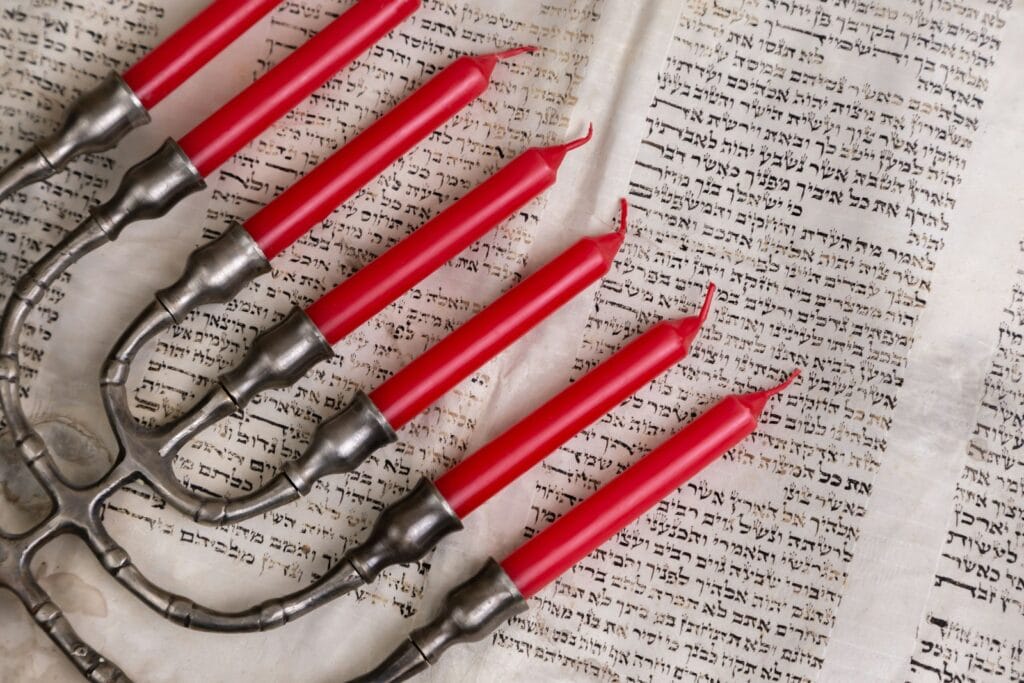
Jewish Heritage Tours Morocco: Discover Your Roots Find a tour Jewish Heritage Tours Morocco: A Spiritual Journey Through Time Jewish heritage tours Morocco open a rare window into a vibrant history of coexistence, faith, and tradition that spans over two millennia. For Jewish travelers seeking to reconnect with Sephardic roots or understand the rich tapestry of Jewish life in the Maghreb, Morocco offers one of the most authentic and moving experiences in the world. Whether you’re retracing your ancestry or exploring new cultural frontiers, Jewish heritage tours Morocco combine deep spiritual exploration with the beauty of Moroccan hospitality. From the bustling synagogues of Casablanca to the forgotten mellahs of the Atlas Mountains, every corner of this North African nation whispers stories of Jewish resilience, innovation, and harmony. Today, more Jewish travelers than ever are sharing their experiences online. Reddit threads such as Visiting Morocco as a Jew, Jew Traveling to Morocco, and Israeli Going to Morocco provide raw, personal insights. The verdict is consistent: Morocco is not only safe for Jewish travelers, but it also embraces its Jewish past with surprising pride. A 2,000-Year Legacy: The Foundations of Jewish Life in Morocco The Jewish presence in Morocco predates even the Arab conquest. Jews are believed to have arrived as early as the Roman period, with waves of settlement increasing significantly after the destruction of the Second Temple in 70 CE. However, it was the Spanish Inquisition in 1492 that brought the largest migration, as thousands of Sephardic Jews were expelled from Spain and welcomed into Morocco by tolerant sultans. These new immigrants integrated into Moroccan society, bringing with them advanced knowledge of trade, craftsmanship, medicine, and finance. They established thriving communities in cities like Fes, Marrakech, and Meknes. In time, the Jewish community became one of the most prosperous in the Islamic world. By the mid-20th century, over 250,000 Jews lived in Morocco, forming the largest Jewish population in North Africa. Though most emigrated after the establishment of the State of Israel, traces of their lives remain visible in the country’s architecture, cemeteries, synagogues, and living memory. jewish tours of morocco 1. Casablanca: The Living Center of Moroccan Judaism Casablanca remains home to Morocco’s largest Jewish population today, with an estimated 1,500 Jews still living in the city. It is a must-stop on any Jewish heritage tour. Beth-El Synagogue: Often the starting point, this beautifully maintained synagogue is one of the most active in Morocco. Museum of Moroccan Judaism: The only Jewish museum in the Arab world, offering artifacts, photos, and exhibits that chronicle Jewish life throughout Morocco. Jewish Cemetery of Ben M’Sik: One of Casablanca’s most important burial sites, carefully maintained and frequently visited. According to Reddit users, many felt unexpectedly emotional in Casablanca. One traveler noted, “Walking into a fully functioning synagogue in a Muslim-majority country was powerful. The locals didn’t just tolerate our presence — they embraced it.” Fes: The Spiritual Heart of Jewish Morocco The imperial city of Fes is rich in Jewish mysticism, scholarship, and architecture. Once home to a flourishing Jewish community, the city’s mellah (Jewish quarter) still echoes with the songs of past generations. Ibn Danan Synagogue: A 17th-century synagogue restored with UNESCO support. Mellah of Fes: Home to Jewish homes with Star of David carvings and Hebrew inscriptions. Jewish Cemetery of Fes: Final resting place of rabbis and tzadikim, often visited for prayer. Many travelers on Reddit describe Fes as the emotional high point of their trip. One wrote, “Being in Fes Mellah, I felt the presence of my ancestors. It was haunting, holy, and healing all at once.” Marrakech and the Atlas Mountains: Sacred Paths and Living History Marrakech’s Jewish Quarter remains alive with memory. Its architecture, narrow alleys, and synagogues still retain their original charm. Lazama Synagogue: Located in the heart of the Mellah, this synagogue now also serves as a museum. Jewish Cemetery of Marrakech: One of the largest in Morocco, well-preserved and deeply sacred. Ourika Valley Pilgrimage: In the foothills of the Atlas Mountains, you’ll find the tomb of Rabbi Shlomo Bel-Hensh, a site of Jewish pilgrimage. For those taking Jewish heritage tours Morocco with a spiritual or mystical focus, this region is a vital part of the journey. Essaouira: Harmony by the Sea This picturesque coastal town was once home to a Jewish majority. Known historically as Mogador, it was a trading hub where Jews played an essential role. Slat Lkahal Synagogue: Meticulously restored with cultural exhibits. Jewish Cemetery by the Sea: Wind-swept and poetic, this cemetery captures the essence of Jewish-Essaouiran life. Hiloula of Rabbi Haim Pinto: An annual pilgrimage where Moroccan Jews return to honor the tzaddik. Travelers often describe Essaouira as a place of peace. One Redditor shared, “There was something indescribably moving about the ocean breeze brushing across Hebrew gravestones.” Kosher Cuisine and Shabbat Observance Many Jewish travelers express concerns about maintaining kashrut while touring Morocco. According to Reddit user yahua-avner, it’s absolutely possible — with planning. Kosher Catering: Available in cities like Casablanca, Marrakech, and Fes. Some tour operators provide fully kosher meals. Chabad Centers: Found in major cities and offering Shabbat meals and minyan services. Kosher Products: Packaged kosher food (e.g., canned tuna, Matzot, wine) can be brought or requested from specialized providers. Some Redditors advise bringing shelf-stable kosher snacks for desert excursions or small towns. Still, many found the local hospitality exceeded expectations. Is Morocco Safe for Jewish and Israeli Travelers? This is the most commonly asked question in forums — and it’s answered over and over with a resounding “Yes.” Travelers from the U.S., France, Canada, and even Israel have reported overwhelmingly positive experiences. A Reddit user from Israel noted, “As long as you’re respectful, no one cares where you’re from. I even told people I was Israeli — and they were curious, not hostile.” Another traveler wrote, “I wore my Star of David necklace the entire trip. Not one negative comment. In fact, I had shopkeepers and guides thank me for visiting and ask about Jewish holidays.”
Rabat North Africa: A Complete Travel Guide to Morocco’s Capital City
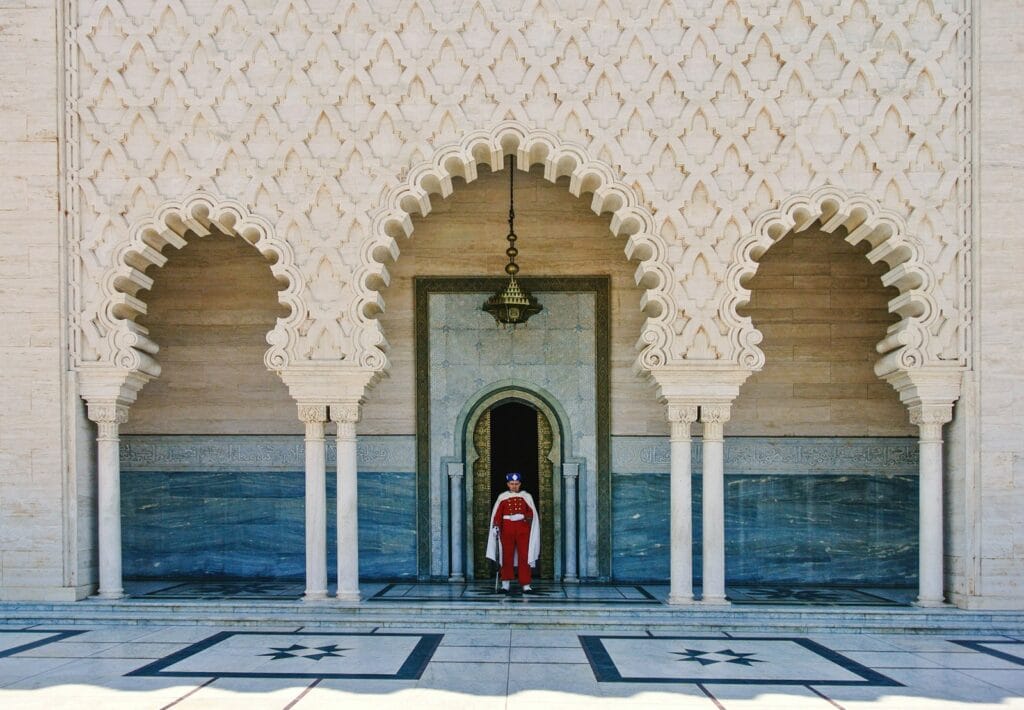
Rabat North Africa: A Complete Travel Guide to Morocco’s Capital City Find a tour The Smart Traveler’s Guide to Rabat, North Africa From Andalusian Gardens to Beach Secrets – Your Ultimate Local Guide Discover essential tips for Rabat, North Africa! Learn how to navigate with perfect maps ofRabat Morocco, visit the stunning Andalusian Gardens Rabat, find hidden beach spots, andmaster the Casablanca to Rabat train. Includes insider knowledge about Tash Rabat. Where is Rabat in North Africa? Nestled along the Atlantic coast, Rabat North Africa is a vibrant blend of history, elegance,and coastal charm. As Morocco’s political capital and one of the four imperial cities, Rabatoffers travelers a peaceful escape from the hustle of cities like Marrakech or Casablanca. Inthis guide, you’ll discover the city’s top attractions, including the serene Andalusian GardensRabat, scenic Rabat Morocco beaches, and how to navigate the city using helpful maps ofRabat Morocco. Whether you’re planning a day trip or an extended stay, Rabat is adestination that promises cultural richness and natural beauty. Top Attractions in Rabat North Africa 1. Andalusian Gardens Rabat: A Tranquil EscapeTucked within the Kasbah of the Udayas, the Andalusian Gardens Rabat Morocco are aserene retreat for nature lovers. Designed during the French colonial period, these gardensfeature lush greenery, orange trees, and fragrant flowers, offering a calm escape from citylife.• Entrance is free and it’s perfect for an early morning or sunset stroll• The gardens also house a small museum of Moroccan arts and crafts Rabat Morocco Beach Vibes If you’re dreaming of sandy shores, Rabat Morocco beach areas won’t disappoint. The mostpopular is Plage de Rabat, where locals and tourists alike enjoy surfing, sunbathing, andbeachside cafes.• Temara Beach (a bit south) is great for a quieter, family-friendly atmosphere• Visit early in the morning or late afternoon for the best light and fewer crowds Kasbah of the Udayas A UNESCO World Heritage Site, this ancient fortress overlooks the river and ocean. Wanderits white and blue alleyways, then enjoy panoramic views from the cliffside platform. It’sright next to the Andalusian Gardens Rabat, making it easy to combine both in one visit. Navigating Rabat with Maps Exploring a new city is always easier with a good map. Fortunately, maps of Rabat Moroccoare readily available at hotels, tourist offices, and even online for digital download. Recommended neighborhoods to explore with a map in hand: • The Medina: Traditional markets, local eateries, and historic mosques• Hassan District: Home to the iconic Hassan Tower and Mausoleum of Mohammed V• Agdal & Souissi: Modern areas with cafes, shopping, and green spacesUsing maps Rabat, you can plan efficient walking routes or public transport connections. Getting There: Casablanca to Rabat Train Traveling from Casablanca to Rabat by train is both fast and affordable. Trains run frequentlyfrom Casa Voyageurs station and arrive at Rabat Ville station in about one hour.• Book your tickets via ONCF (Morocco’s railway operator) online or at the station• First-class seats are recommended for comfort and reserved seating• Trains are modern, clean, and equipped with air conditioning Day Trip Confusion: What is Tash Rabat? If you’ve come across the name Tash Rabat, don’t mix it up with Morocco’s Rabat! Tash Rabatis actually a historic caravanserai located in Kyrgyzstan—over 6,000 km away. The names aresimilar, but they refer to completely different places. So when planning your North Africanitinerary, make sure you’re sticking to Rabat North Africa for Moroccan adventures. Why Rabat North Africa Belongs on Your Bucket List With its oceanfront location, fascinating history, and laid-back vibe, Rabat North Africa offersa more peaceful, authentic experience compared to other Moroccan cities. From wanderingthrough the Andalusian Gardens Rabat to relaxing on a Rabat Morocco beach, this capitalcity provides a rich journey for every kind of traveler.For those short on time, Morocco Vacation Planner offers guided day trips to Rabat fromCasablanca, making it easy to explore the city’s highlights in comfort and style. Whetheryou’re interested in history, culture, or just soaking up the Atlantic breeze, their curatedRabat experiences ensure a memorable Moroccan escape.Pack your bags, grab a map of Rabat, and let Morocco’s coastal gem take your breath away Plan Your Perfect Moroccan Adventure check our tours
When is the best time to visit Morocco
When is the best time to visit Morocco: Your 7-Step Guide When is the best time to visit Morocco Quick Answer: Generally, the best time to visit Morocco is during spring, from mid-March to May, or during fall, from September to October. These months offer ideal weather conditions—comfortably warm temperatures (often 68-77°F / 20-25°C) and clear skies—perfect for exploring imperial cities, hiking the Atlas Mountains, visiting the Atlantic coast, and enjoying the Sahara Desert. Understanding Morocco’s Diverse Climate: A Land of Contrasts Morocco’s climate varies widely, a common misconception being that it’s scorching hot all year. Its weather is influenced by four key geographical features: the Mediterranean Sea, the Atlantic Ocean, the Atlas Mountains, and the Sahara Desert. This diversity means distinct seasonal weather patterns across different regions. Northern Coast (Mediterranean): Enjoys mild, wet winters and hot, dry summers. Atlantic Coast (e.g., Essaouira, Agadir): Features mild temperatures year-round due to oceanic influence. Inland Areas (e.g., Marrakech, Fes): Experience more extreme temperatures, with summers often exceeding 100°F (38°C) and chilly winters. Atlas Mountains: Offer cooler weather and significant snowfall during winter, attracting skiers. They also provide amazing activities during warmer months. Sahara Desert: Characterized by extreme temperatures, with scorching hot days and cold nights. Rainfall is minimal, making desert excursions a popular activity. Dust-laden winds can occur anytime, especially in summer. Plan Your Perfect Moroccan Adventure check our tours When to Visit Morocco: A Seasonal Deep Dive Morocco experiences four distinct seasons, each offering unique travel experiences. Spring (March – May): The Golden Period Weather: Marked by pleasant temperatures, ranging from 15-28°C (59-82°F) in daytime, making it ideal for outdoor activities. Landscapes are lush, and gardens bloom with colorful flowers. Rainfall is minimal. Crowds & Cost: Considered the peak tourist season due to favorable weather, leading to increasing tourist numbers. However, it can also be considered a shoulder season, balancing good weather with potentially fewer crowds than summer. May often has lower average hotel prices and airfare. Activities: Perfect for hiking in the Atlas Mountains, exploring imperial cities like Marrakech and Fes, and comfortable desert excursions. Notable Events: The Rose Festival in the Dades Valley (May), the Marrakech Biennale (March-May), Marathon des Sables (April), Merzouga World Music Festival (April), and the Festival of World Sacred Music in Fez (May). Summer (June – August): Coastal Charms & Vibrant Nights Weather: Brings high temperatures, especially in the interior and the Sahara Desert, where it can soar above 38°C (100°F). Coastal cities like Casablanca, Rabat, Essaouira, and Agadir remain cooler due to ocean breezes, typically ranging from 25-30°C (77-86°F). Crowds & Cost: This is peak tourist season for beach destinations, attracting both international and local vacationers, which can mean crowded beaches and higher prices. Inland cities may see fewer tourists due to the heat. Activities: Ideal for beach holidays, surfing, swimming, and sunbathing. Summer nights in cities like Marrakech are lively. For inland visits, prioritize early morning or late afternoon excursions to avoid peak heat. Staying hydrated and wearing sun protection are crucial. Notable Events: The Gnaoua World Music Festival in Essaouira (June), the Cherry Festival in Sefrou (June), Timitar Music Festival in Agadir (July), and the Feast of the Throne (July 30th). Autumn (September – November): Ideal for Adventurers & Culture Seekers Weather: Offers mild weather and a comfortable transition from summer heat, with temperatures ranging from 20-30°C (68-86°F). Evenings can be cooler, especially in desert areas. Rain begins to increase, particularly in November. Crowds & Cost: This is another excellent time to visit with fewer crowds compared to summer peak. November often brings lower hotel rates and airfare, making it cost-effective for budget travelers. Activities: Perfect for trekking in the Atlas Mountains, visiting cultural sites, and exploring the Sahara Desert with comfortable temperatures for camel treks and camping. The harvest season offers delightful experiences for food enthusiasts. Notable Events: The Erfoud Date Festival (Autumn), Tanjazz Festival in Tangier (September), Imilchil Marriage Festival (September), and Independence Day (November 18th). Winter (December – February): Snow, Sun & Savings Weather: Can be cold, especially in mountainous areas with snowfall, attracting skiers. Coastal regions remain mild (around 10-20°C / 50-68°F during the day), though nights can be chilly, especially in the desert and mountains. The rainy season runs from November to March, with the north receiving more rainfall. Crowds & Cost: Generally sees fewer tourists, making it a good time to avoid crowds and find deals, except during the Christmas and New Year holiday period which is a high tourist season. December, January, and February often offer the lowest average hotel prices and airfare. Activities: Excellent for skiing and snowboarding in the Atlas Mountains (e.g., Oukaïmeden, Ifrane). The south remains warmer, making it a good time to explore the Sahara Desert. City tours in places like Marrakech and Fes are comfortable without summer heat. It’s also a great time for surfing in coastal towns like Taghazout. Notable Events: The International Film Festival of Marrakesh (December), New Year’s Eve celebrations, often in the Sahara Desert, the Almond Blossom Festival in Tafraoute (February), and Yennayer (the Amazigh New Year) in January. Morocco Month-by-Month: Your Detailed Planning Guide To help you pinpoint the ideal time, here’s a quick overview of what to expect each month: January: Cooler temperatures (10-20°C / 50-68°F), fewer crowds, mild coastal weather, and opportunities for skiing in the Atlas Mountains. February: Mild temperatures (12-22°C / 54-72°F) and sunny days make it excellent for budget travelers. Highlights include the Almond Blossom Festival in Tafraoute. March: Comfortable temperatures (15-25°C / 59-77°F) with plenty of sunshine. Spring blooms begin, and it’s a great time for hiking and exploring cities like Fez and Rabat. Tourist numbers start to increase. April: Widely considered one of the best months to visit Morocco, with warm days (16-27°C / 61-81°F) and little rainfall. Ideal for Marrakech, the Sahara Desert, and enjoying spectacular wildflower displays. May: Temperatures continue to rise (18-29°C / 64-84°F), and crowds begin to pick up. Coastal areas remain pleasant, and the Rose Festival takes place. June: Signals the onset
moroccan people

Moroccan People: best 6 Reasons They Make Morocco Unique What You Should Know About Moroccan People Moroccans are renowned for warm hospitality and friendly conversation, making Morocco a vibrant cultural crossroads where the clatter of souk stalls, the scent of spices, and the call to prayer shape daily life. The population is a rich tapestry of Arabs, Berbers (Amazigh), and Sahrawis, each contributing distinct traditions, languages, and values. Arabic and Berber (Tamazight) have official status, French remains widely used in business and signage, and English is increasingly common in major urban centers. Learning a few Darija or Amazigh phrases even simple greetings and thanks goes a long way toward better connections during your trip. Sunni Islam influences daily routines prayer calls echo in cities and towns, modest dress is common, and religious festivals shape social rhythms. During your Morocco Tours packages, you’ll notice how religion influences greetings, mealtimes, and social events. One of the most memorable aspects of Moroccan culture is its legendary hospitality. Visitors are often welcomed with communal meals, shared tagines, couscous, and sweet mint tea small rituals that frequently become trip highlights and lasting memories. Morocco is where tradition meets modernity: artisans selling handcrafted rugs and pottery in souks stand side-by-side with sleek technology shops. This fusion appears across the country and gives you a lot to explore during your travel. Exploring Morocco’s Rich Ethnic Diversity Morocco’s cultural tapestry includes Arabs, Berbers (Amazigh), and Sahrawis. These groups reflect centuries of migrations, trade, and exchange that have shaped the country’s identity. Arabs are the largest group in many parts of Morocco; Berber communities are especially prominent in the Atlas Mountains and parts of the Sahara; Sahrawi culture is visible in southern regions.Current demographic figures vary by source for accuracy, confirm the latest statistics if precise percentages matter for your planning. The Berber presence dates back millennia and their languages and music remain central to Moroccan culture. As you travel, you’ll hear Tamazight dialects (Tamazight, Tarifit, Tashelhit) and many local variations alongside Darija and French.Together, these communities create a living culture that blends ancient traditions with modern life offering travelers authentic experiences, from bustling city souks to quiet mountain villages. Language & Communication: A Traveler’s Guide Morocco is a linguistic mosaic. Darija (Moroccan Arabic) is the everyday tongue across most cities and towns; Modern Standard Arabic appears in formal settings. Berber dialects — Tamazight, Tashelhit and Tarifit are widely spoken, particularly in mountain and rural areas. French is common in business, higher education and official signage, while English is increasingly used in tourist zones such as Marrakech, Fez, and Casablanca.On your morocco vacation planner, a handful of phrases will pay dividends both practical and polite. Use the short list below as your basic phrasebook; practice them a little before you leave and keep them handy during the trip.Quick phrase list (Darija / English)Salam / Salaam Alykum — Hello / Peace be upon youShukran — Thank youBslama — GoodbyeLa shukran — No, thank youFin…? — Where is … ? (e.g., Fin l-hammam? — Where is the hammam?)Besh-hal? — How much? (useful in souks)Smah li / Smhili — Excuse me / Sorry (polite interrupt)Azul — Hello in many Berber communitiesPractical language tips: carry a small phrase card, enable your phone’s offline translation app, and download an offline map. If you plan to spend more than a few days in a city, a local guide can save hours and connect you with authentic experiences; many guides speak both local languages and English. Buying a local SIM card at the airport or in major cities gives you quick access to maps and translation tools during your hours on the road.Where to expect which language: in banks, government offices and many hotels you’ll often find French or Modern Standard Arabic; in taxi conversations, market haggling and neighborhood cafés you’ll hear Darija; in Berber regions you’ll encounter Amazigh languages. English is increasingly common in tourist-facing hotels, some riads, and with licensed guides in major cities.Want a printable cheat-sheet? Save this page and copy the phrase list into your travel notes, or request a one-page PDF from your Morocco Vacation Planner when you book a guide or itinerary it’s an easy way to prepare before you depart. Essential Cultural Etiquette Greetings: Offer “Salaam Alykum” and reply with “Wa Alykum Salaam.” Shake hands when invited; wait for a local to extend a hand first, especially when meeting older people or women.Modesty: Dress respectfully cover shoulders and knees in conservative areas. Women should carry a light scarf for mosque visits and to blend in on the street; in larger resorts and some coastal towns dress codes are more relaxed.Mealtime customs: Remove shoes when entering a home, wash hands before eating, say “bismillah” and use your right hand. If offered food, accept at least a small portion; to decline politely say “La shukran” and smile.Tea rituals: Sweet mint tea is a hallmark of hospitality accepting the second or third refill is polite. When hosts pour tea, lift the glass slightly to show appreciation.Photo etiquette: Always ask before photographing people or private homes. In religious settings and near security personnel, don’t take photos without permission.Following these norms shows respect and enriches your best Morocco travel experience. Religion & Daily Life in Morocco Sunni Islam shapes much of daily life in Morocco: five daily prayer calls punctuate the day in both cities and villages, and religious holidays affect opening hours and social rhythms. During Ramadan, many people fast during daylight hours; out of respect, avoid eating or drinking in public spaces during the day and consider joining locals for iftar after sunset for an immersive cultural experience.Halal dietary norms mean pork is not part of traditional cuisine and public alcohol is limited; still, tagines, couscous, and sweet mint tea are staples you’ll encounter everywhere. In tourist areas and licensed restaurants you can find alcohol and international menus, but being mindful of local customs always helps. moroccan Hospitality: A Traveler’s Delight Hospitality is central to Moroccan culture. When invited into a
do americans need a visa for morocco
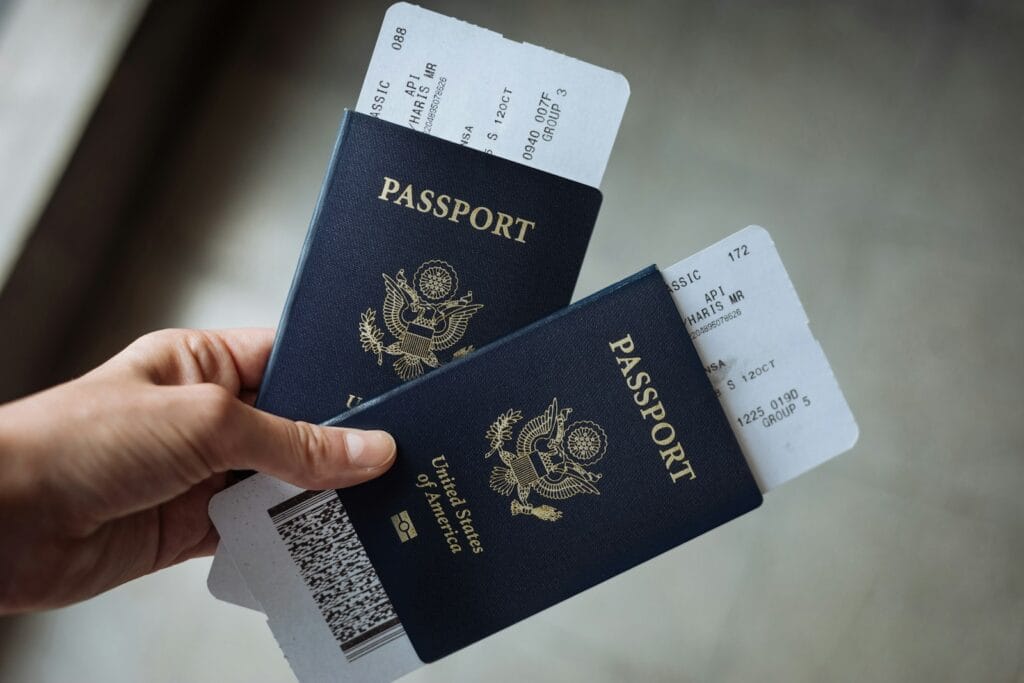
Do Americans Need a Visa for Morocco: Visa Rules and Entry Tips Best Morocco Guide Book No, Americans do not need a visa to visit Morocco for trips under 90 days. US passport holders are granted visa-free entry for tourism, business, or transit purposes for stays up to three months. This makes Morocco an accessible destination for American travelers looking to explore North Africa. The visa exemption is part of the good diplomatic relations between the United States and the Kingdom of Morocco, whose current monarch is King Mohammed VI of Morocco. Do Americans Need a Visa for Morocco: Entry Requirements for US Citizens While Americans enjoy visa-free travel to Morocco, you still need to meet certain entry requirements: Valid US passport with at least six months validity beyond your planned departure date from Morocco Return ticket or proof of onward travel showing you plan to leave within 90 days Sufficient funds to support yourself during your stay Accommodation details such as hotel reservations or address where you’ll be staying Immigration officials at Moroccan airports like Casablanca Morocco or border crossings may ask for these documents, so keep them easily accessible in your carry-on luggage. Do Americans Need a Visa for Moroccoo Extending Your Stay in Morocco If you fall in love with the vibrant Morocco culture and want to stay longer than 90 days, you must apply for an extension through the: Direction Générale de la Sûreté Nationale (DGSN) The nearest police station to your accommodation in Morocco Extensions are typically granted for up to an additional 90 days, but approval is at the discretion of Moroccan authorities. Entry Points to Morocco Americans can enter Morocco through various ports of entry: International Airports Mohammed V International Airport (Casablanca) Marrakech Menara Airport (Marrakech) Fès–Saïs Airport (Fes) Rabat–Salé Airport (Rabat) Tangier Ibn Battouta Airport (Tangier) Agadir–Al Massira Airport (Agadir) Seaports Tangier Med Port Casablanca Port Land Borders Ceuta and Melilla (Spanish enclaves) – Note: These crossings may have specific requirements Do Americans Need a Visa for Moroccoo: How to Find the Best Flights to Morocco? Many major airlines offer flights to Morocco from various US cities. Direct flights are available from: New York to Casablanca Washington D.C. to Casablanca Connecting flights through European cities like Paris, Madrid, or Lisbon offer additional options and sometimes better deals. Air Morocco (Royal Air Maroc) is the national carrier and part of the OneWorld alliance, offering codeshare flights with American Airlines. Currency and Money Matters: What are the currency restrictions when entering Morocco? Declare 100,000 dirhams or $10,000 USD Understanding Morocco currency before arrival will help smooth your entry process: The official currency is the Moroccan Dirham (MAD) Currency exchange is available at airports, banks, and authorized exchange offices Major credit cards are widely accepted in urban areas and tourist destinations It’s advisable to carry some cash for smaller establishments and rural areas The currency of Morocco cannot legally be imported or exported, so plan to exchange money upon arrival. Travel Insurance for Morocco While not an entry requirement, comprehensive travel insurance is highly recommended for American visitors to Morocco. Insurance should cover: Medical emergencies Trip cancellation Lost luggage Emergency evacuation This provides peace of mind while exploring everything from the bustling medinas of Marrakech to the serene landscapes of the Atlas Mountains. Contacting the Embassy If you encounter issues with immigration or need assistance: U.S. Embassy in Morocco Km 5.7, Avenue Mohamed VI Souissi, Rabat 10170, Morocco Phone: +212 537-637-200 Website: ma.usembassy.gov Plan Your Perfect Moroccan Adventure check our tours Conclusion Final: Thoughts on Morocco Entry Requirements The visa-free entry for Americans makes Morocco an easily accessible destination for those looking to experience North African culture, history, and landscapes. With proper preparation and documentation, your entry into this fascinating country should be smooth and hassle-free. Whether you’re drawn to Morocco by its ancient cities in Morocco, stunning landscapes, or rich history of Morocco, understanding entry requirements is the first step toward an unforgettable journey. For more information on planning your Moroccan adventure, explore our related articles on the best time to visit Morocco, things to do in Morocco, and essential Morocco travel tips for American visitors. Discover more in our Morocco Travel Guide read more
Best Places to visit in Morocco
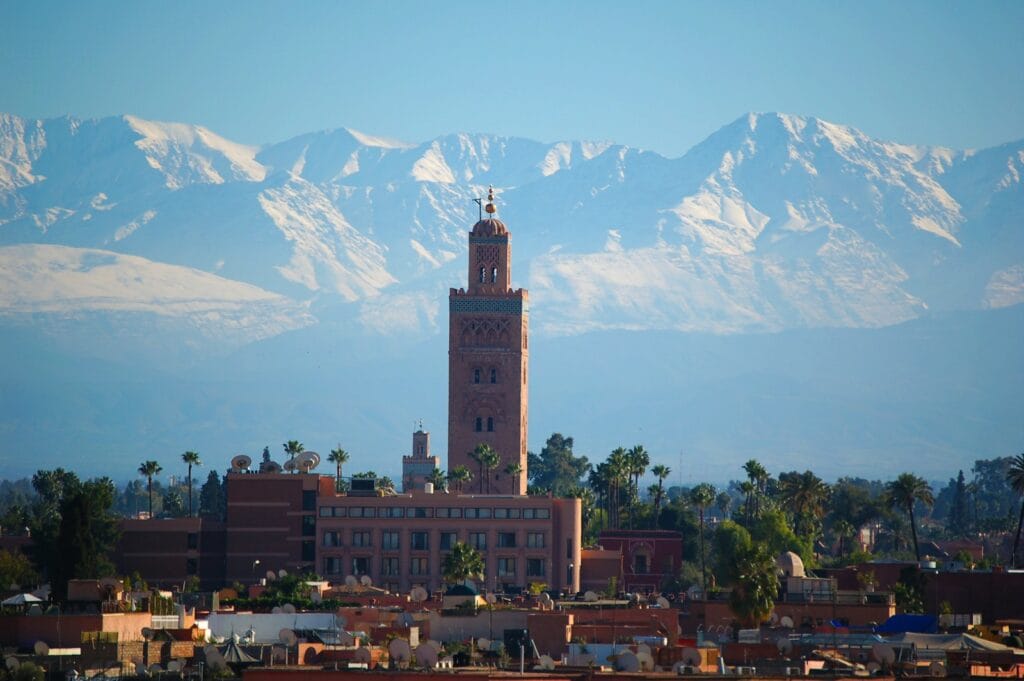
Best Places to Visit in Morocco: 10 Unforgettable Destinations Learn More what are the best places to visit in morocco? Morocco is a place where African, European, and Middle Eastern influences blend beautifully, enchanting visitors with its lively spirit and timeless allure. From the winding streets of ancient medinas to the majestic peaks of the Atlas Mountains and the vast dunes of the Sahara Desert, this North African treasure provides a rich array of experiences for every type of traveler. This all-encompassing guide goes beyond the usual lists to present a thoughtfully curated journey through Morocco’s most famous spots and its hidden gems, focusing on genuine cultural experiences, eco-friendly travel practices, and useful tips to make your adventure truly memorable. Whether you’re wandering through the lively souks of Marrakech or catching a sunrise in the Sahara, Morocco guarantees a journey filled with unforgettable moments and real connections. Truly, when thinking about the best places to explore in Morocco, the options are as limitless as they are captivating. Why Morocco Now? A Glimpse into Its Enduring Allure and Tourism Vision Morocco has consistently shown steady growth in its tourism sector, even demonstrating remarkable resilience and recovery from global economic shifts and regional political turbulence. As a testament to its appeal, Morocco welcomed an impressive 17.4 million international tourists in 2024, a significant 20% increase on 2023 figures, solidifying its position as the top destination in Africa. This success is not accidental but a result of forward-thinking national strategies, notably Vision 2010 and Vision 2020, which have aimed for continued development and diversification of its tourism product beyond traditional coastal resorts and imperial cities. A key recommendation for Moroccan tourism moving forward is to focus on sustainable tourist products and empowering the human potential – the local communities and their rich traditions – rather than solely the physical product itself. This approach helps avoid superficial experiences and fosters a deeper, more meaningful engagement with Moroccan culture. This guide aims to reflect that ethos, offering insights into the true heart of Morocco and the incredible things to see in Morocco. I. Iconic Cultural & Historical Hubs: Experience the Heartbeat of Morocco When considering the best places to visit in Morocco, its cities undoubtedly top the list, each offering a unique window into the country’s rich past and vibrant present. morocco best places to see 1. Marrakech: The Vibrant Pulse (Navigating the Energy of the Red City) What Makes it Special: Known affectionately as the Red City, Marrakech is where tradition dances with modernity, a sensory overload in the best possible way. It’s often the first stop for visitors, and for good reason, offering an exhilarating introduction to Moroccan life. Must-See Attractions: Jemaa el-Fnaa: This ancient square truly comes alive at sunset, transforming into an open-air spectacle with storytellers, musicians, acrobats, and an array of food stalls offering local delicacies like snail soup and freshly grilled meats. It’s an unmissable cultural immersion. Majorelle Garden: A peaceful oasis designed by French painter Jacques Majorelle and later owned by Yves Saint Laurent, this garden enchants with its vibrant cobalt blue buildings, exotic plants, and tranquil atmosphere. Koutoubia Mosque: The largest mosque in Marrakech, its magnificent minaret has guided locals for centuries and remains an iconic landmark, particularly beautiful at dusk. Bahia Palace: A stunning example of Moroccan architecture and intricate craftsmanship, showcasing the luxurious lives of those who once resided within its ornate halls and courtyards. Saadian Tombs: Discover exquisite craftsmanship with ornate tilework and carved cedar ceilings within these royal tombs, hidden for centuries before their rediscovery. Local Tips & Nuance: To truly experience Marrakech, visit the souks early morning to avoid the densest crowds and potentially get better prices. For an authentic stay, choose a traditional riad – a guesthouse built around an interior courtyard. Don’t miss booking a hammam session for ultimate relaxation. While Marrakech offers a fantastic introduction, be prepared for an intense environment where visitors may experience persistent vendors. Focus on hidden Medina tours with local guides for deeper insight and a more personal connection. Ideal Stay: At least 3 days to explore the city’s highlights and perhaps venture to its outskirts. Discover more in our Morocco Travel Guide read more 2. Fez: Where Time Stands Still (A Living Museum of Moroccan Heritage Why You’ll Love It: Fez is widely considered Morocco’s spiritual and intellectual heart. Its UNESCO-listed medina, Fez el Bali, is like a living museum, where traditional crafts thrive and time seems to have stood still. It offers an unfiltered glimpse into “the real Morocco.” Don’t Miss: The Medina (Fes el Bali): The world’s largest car-free urban area with nearly 10,000 narrow, winding alleys filled with history, a UNESCO World Heritage site. Getting wonderfully lost here is part of the experience. Al-Qarawiyyin University: Founded in 859 AD, it’s recognized as the oldest continuously operating university in the world, a testament to Morocco’s rich intellectual legacy. Chouara Tannery: Witness leather being made using centuries-old techniques in a vibrant, unforgettable setting. This unique and famous experience is a must for many visitors. Bou Inania Madrasa: A stunning example of Marinid architecture, adorned with intricate tilework, carved wood, and stucco. Nejjarine Museum of Wooden Arts & Crafts: Explore a beautifully restored traditional inn (funduq) and witness woodworkers practicing traditional crafts. Pro Tip & Nuance: Hiring a local guide for the medina is highly recommended. It’s invaluable for navigating the ancient alleyways and gaining deeper insight into its functioning historical sites and daily life. Fez offers an intense, sensory cultural experience; a well-chosen hostel or riad can provide a perfect oasis of calm. Things to Buy: Look for high-quality leather goods, intricate copperware, and traditional clothing. Remember that haggling is expected and part of the fun. 3. Chefchaouen: The Blue Pearl (Beyond the Photogenic Streets) Why You’ll Love It: Nestled in the Rif Mountains, Chefchaouen’s blue-washed buildings create a dreamlike, ethereal atmosphere that has captivated travelers worldwide. The iconic blue color, dating back to the 15th century, symbolizes the sky and heaven.
Marrakech meteo
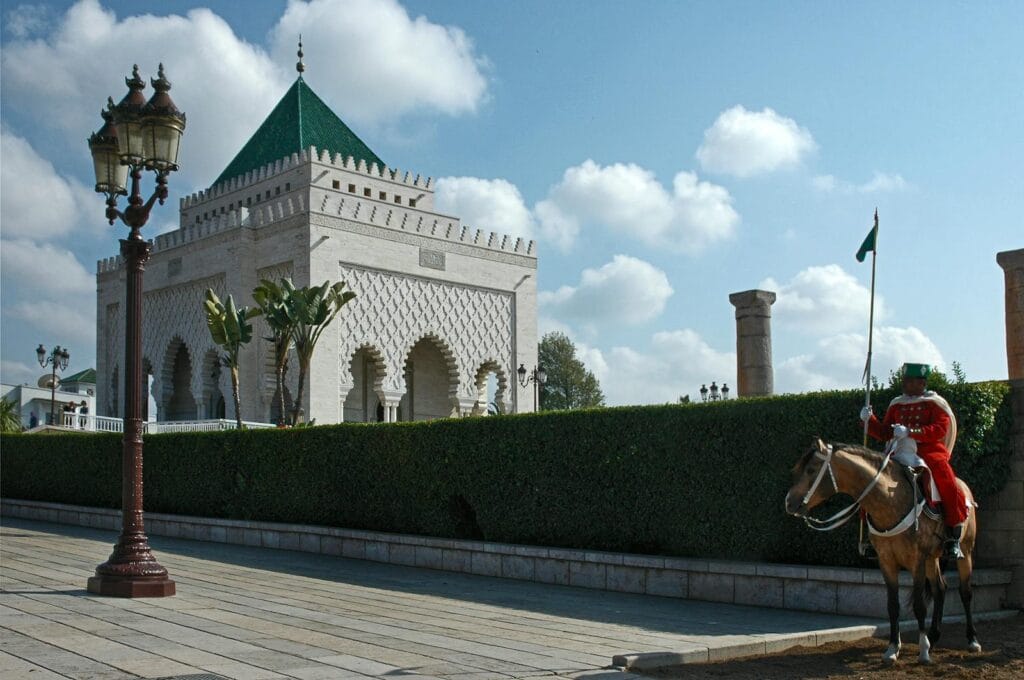
meteo marrakech fevrier mars Vous prévoyez un voyage à Marrakech ? Le moment de votre visite est absolument crucial pour créer la meilleure expérience possible. Connue comme le « Joyau du Sud » et la « Ville Ocre » pour ses bâtiments distinctifs aux teintes rouges, Marrakech est une destination qui captive par ses souks vibrants, ses palais anciens et sa trépidante place Djemaa el-Fna. Cependant, cette ville magique possède également un climat unique, profondément influencé par sa géographie, ce qui impacte directement le confort et le plaisir du voyageur. Ce guide complet détaillera les modèles de meteo Marrakech, les variations saisonnières et fournira des conseils locaux essentiels. Nous vous aiderons à naviguer entre la chaleur, la foule et les événements culturels uniques pour vous assurer de planifier votre voyage idéal, que vous recherchiez une immersion culturelle animée ou une exploration tranquille. Le Climat Unique de Meteo Marrakech Expliqué : meteo marrakech fevrier mars Comprendre la meteo Marrakech est essentiel pour apprécier son caractère distinct. Le climat de la ville ne se résume pas aux chiffres sur un thermomètre ; c’est une interaction dynamique de forces géographiques. La Position Géographique Marrakech est idéalement située juste au sud des contreforts des magnifiques montagnes de l’Atlas, souvent enneigées. Elle se trouve à la convergence de géographies très différentes : la mer, le désert et les montagnes. Au sud et à l’est s’étend le vaste désert du Sahara, un puissant facteur influençant son climat. Le Type de Climat Officiellement classé comme un climat semi-aride, le temps à Marrakech est souvent qualifié de « climat exceptionnel » ou même de « microclimat ». Les visiteurs subissent fréquemment des « changements climatiques inattendus » et une « nature inconstante » du temps, ce qui le rend quelque peu imprévisible. Si vous avez déjà connu le climat intérieur de la Californie, vous trouverez des similitudes surprenantes avec la meteo Marrakech. Influence du Désert du Sahara Le désert du Sahara joue un rôle central dans le climat de Marrakech, agissant comme un « thermostat et stabilisateur ». Pendant la journée, il chauffe l’air, entraînant une chaleur intense, et la nuit, il rayonne efficacement la chaleur, provoquant une baisse significative des températures. Il en résulte la chaleur et la sécheresse caractéristiques de Marrakech, avec un « soleil éclatant » la plupart des jours. Cependant, il contribue également à la chaleur oppressante de l’été, où les températures peuvent grimper jusqu’à 38°C (100°F) à l’ombre. Le désert influence également les vents et les précipitations. Les vents désertiques de l’est et du sud transportent une chaleur immense et une humidité minimale, contribuant aux faibles précipitations de la ville. Parfois, ces vents peuvent apporter des tempêtes de poussière, baignant la ville d’une belle, mais parfois difficile, teinte ocre. Rôle des Montagnes de l’Atlas Les majestueuses montagnes de l’Atlas agissent comme une barrière importante, séparant fondamentalement les régions côtières dominées par l’humidité de l’intérieur aride où se trouve Marrakech. Elles captent efficacement l’humidité des vents de l’Atlantique, provoquant des précipitations principalement sur leurs versants ouest. Cela crée un « effet d’ombre pluviométrique » sur le côté est de Marrakech, entraînant des étés secs et des hivers étonnamment doux et humides. De novembre à mai, ces montagnes sont souvent enneigées, offrant un magnifique arrière-plan à la ville. Contraste Saisonnier Le résultat de ces influences géographiques se manifeste par un contraste saisissant dans la meteo Marrakech au fil des saisons. Les étés sont caractérisés par une absence quasi totale de pluie et une chaleur intense, tandis que les hivers sont, étonnamment, humides et frais, surtout la nuit. Il est même intéressant de noter que la meteo Marrakech peut varier au sein de la ville elle-même, avec la Médina affichant généralement des températures plus élevées que les nouveaux quartiers. Les Meilleurs Moments pour Visiter Marrakech : Équilibrer Meteo Marrakech, Foule et Expérience Alors, quand est le moment idéal pour découvrir la magie de Marrakech ? La réponse courte : De mi-mars à fin mai (printemps) et de fin septembre à mi-novembre (automne) sont généralement considérés comme les meilleures périodes. Pendant ces périodes, vous trouverez des températures agréables, évitant la chaleur extrême de l’été ou le froid significatif des nuits d’hiver. Les températures douces et les faibles précipitations de ces saisons intermédiaires permettent une exploration confortable et un large éventail d’activités de plein air. Soyez cependant conscient que ce sont des périodes populaires, alors attendez-vous à de la foule. Marrakech au Printemps (Mars, Avril, Mai) Recommandation Générale : Le printemps est une excellente période pour visiter Marrakech, souvent appelée « le meilleur moment pour visiter ». Meteo Marrakech : Le temps est un rêve au printemps. Les températures sont agréablement douces, oscillant généralement entre 22 et 35°C (70 et 80 degrés Fahrenheit). Mars : Maxima autour de 23°C (74°F), minima autour de 10°C (50°F), avec environ 3 jours de pluie. Avril : Maxima autour de 25°C (77°F), minima autour de 12°C (54°F), avec environ 2 jours de pluie. Mai : Maxima autour de 25°C (78°F), minima autour de 14°C (58°F), avec seulement 1 jour de pluie. Bien que mars ait une plus forte probabilité de précipitations minimales (2,5 à 5 cm), la « saison des pluies douce » se termine généralement à la mi-avril. Ambiance : C’est à ce moment que Marrakech « s’épanouit » vraiment. Les fleurs s’éveillent, peignant la ville de couleurs vibrantes, ajoutant à sa beauté déjà captivante. Foule et Considérations : Comme le secret est de moins en moins bien gardé, attendez-vous à de la foule pendant cette saison populaire. Il est crucial de pré-réserver en ligne vos billets pour les attractions populaires comme le Jardin Majorelle à l’avance. Un conseil avisé : évitez Pâques et les vacances de printemps, car la ville peut connaître un « chaos absolu » avec des Médinas bondées. Activités : Le printemps est idéal pour explorer les principales attractions de Marrakech pendant la journée et se détendre au bord d’une piscine l’après-midi. Piscines : Les températures des piscines ne seront pas assez chaudes pour une baignade
marokko rejseguide kultur klima
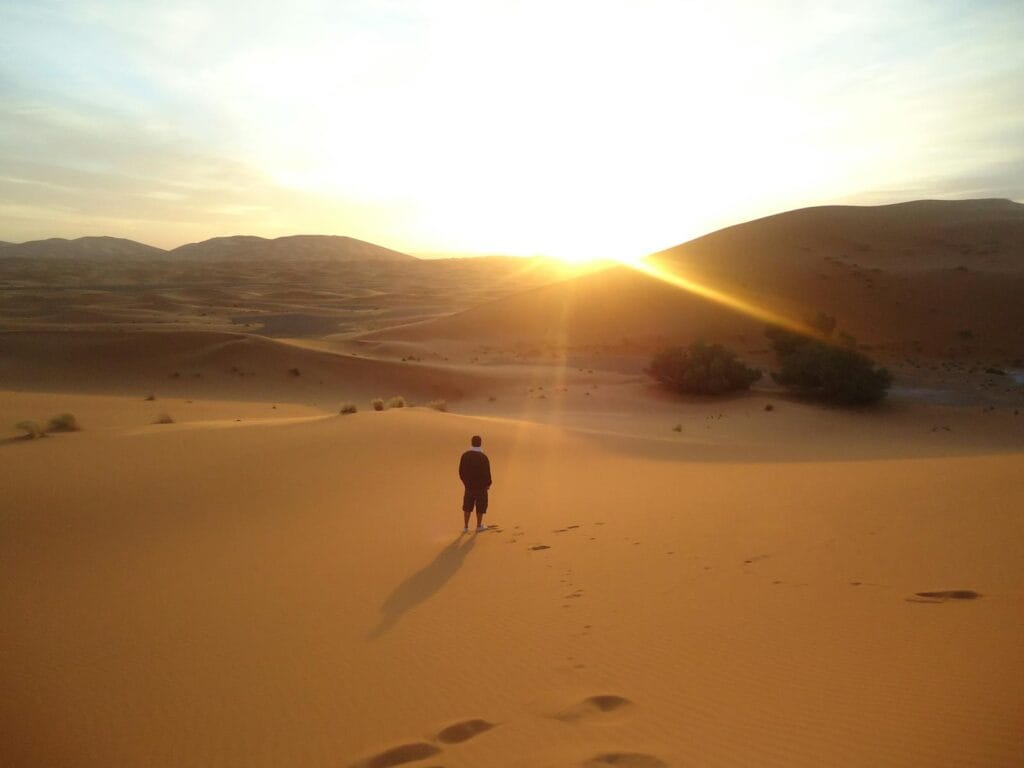
Marokko Rejseguide: De 9 Bedste Oplevelser Venter Marokko er en verden af intense farver og dyb kulturel rigdom, der appellerer til eventyrlystne rejsende. Dette nordafrikanske land byder på en unik blanding af oplevelser, fra historiske byer til betagende naturlandskaber. En rejse til Marokko er en fordybelse i en verden af farverige markeder, storslåede ørkenlandskaber og en utrolig rig kulturarv, herunder en storslået kulinarisk scene. Denne marokko rejseguide vil give dig alle de essentielle oplevelser, du ikke må gå glip af, samt praktiske rejsetips Marokko til at planlægge din uforglemmelige rejse. Fra de pulserende souks til den rolige Sahara-ørken er Marokko en destination, der lover at fortrylle og inspirere. De Essentielle Destinationer i Marokko Rejseguide Udforsk de mest ikoniske og mindeværdige steder i Marokko, som hver især tilbyder en unik oplevelse. Marrakech – Den Røde By, der Aldrig Sover Marrakech er hjertet af Marokko og en by, der aldrig sover. Her udfolder livets teater sig på gaderne, og den røde bys energiske puls fanger enhver besøgende. Levende Souks og Farvestrålende Markeder: Her kan du købe alt fra duftende krydderier til traditionelle tekstiler, lædervarer og smukke lamper. Husk at prutte om prisen hos de diverse boder – det er en del af oplevelsen! Djemaa el-Fna Pladsen: Denne berømte plads byder på en oplevelse ud over det sædvanlige med slangetæmmere, gademusikanter, akrobater og fortællere, der skaber en atmosfære fyldt med mystik og eventyr, især når mørket falder på. Det er et godt sted at mødes, hvis man farer vild. Du kan også hæve dirhams her. Koutoubia-moskeen: Nyd en solnedgang med udsigt over denne imponerende moské, der med sin majestætiske minaret dominerer bybilledet. Jardin Majorelle (Yves Saint Laurent): En smuk, koboltblå have, der er en fredfyldt oase midt i byens travlhed. Et must-visit for kunst- og naturelskere. Overnatning i Riads: Overvej at bo i en smuk og skøn Riad, ofte lige uden for medinaen, som Riad Carina. Disse traditionelle marokkanske huse med indre gårde tilbyder en autentisk og intim oplevelse. Spisesteder i Marrakech: El Fenn: En dyrere, men romantisk middagsoplevelse på en tagterrasse, der også er et fint hotel med en cocktailbar. Perfekt til en særlig aften. Nomad: En dejlig tagterrasse med udsigt over byens tage; hyggeligt og stilrent med moderne marokkansk køkken. La Famille: En ubeskrivelig hyggelig have, der kun er åben til frokost (12-17). Perfekt til en afslappet frokost i grønne omgivelser. Gadekøkkener: Vær ikke bleg for at afprøve små gadekøkkener for spændende og anderledes smagsoplevelser som donuts, tomatsuppe og msemen (brød). Her får du den mest autentiske smagsoplevelse. Hammam: Næsten et must for en behagelig og grundig skrubbeoplevelse, der er ret billig. En sand fornøjelse for krop og sjæl efter en dag med sightseeing. Fes – Den Åndelige Hovedstad Fes giver et dybt indblik i Marokkos rige historie og åndelige arv. Fes El Bali Medina: En UNESCO verdensarvsliste med indviklet arkitektur og traditionelt håndværk. Det er en labyrint af smalle gader, der fører dig gennem århundreder af historie. Brug din eSIM til guidede ture og historiske apps for at få mest muligt ud af dit besøg. Garverierne: Oplev de berømte garverier, hvor læder stadig forarbejdes med traditionelle metoder – en unik, omend lugtende, oplevelse. Rabat – Moderne Hovedstad og Historisk Juvel Rabat er en elegant blanding af det moderne og det historiske, hvor brede boulevards møder gamle fæstningsværker. Hassan-tårnet og Mausoleum of Mohammed V: Eksempler på imponerende arkitektur og dyb historisk betydning. En hyldest til Marokkos kongelige arv. Rabats Medina: På UNESCO verdensarvsliste, rig på historie og traditionel marokkansk kultur, men mere afslappet end medinaerne i Marrakech og Fes. Rolig Strandpromenade: Nyd den smukke havudsigt og en afslappende gåtur langs kysten. Essaouira – Havbrisen og Den Kunstneriske Ånd Essaouira er den perfekte flugt fra storbyens travlhed, kendt for sin afslappede atmosfære og kunstneriske flair. Smukke Strande og Historiske Seværdigheder: Kendt som “den hvide by”, der er smuk at besøge, med sin charmerende fæstningsmur og udsigt over Atlanten. Kunstnerisk Ånd: Gå langs brostensbelagte gader og besøg lokale gallerier, der viser værker af talentfulde kunstnere. Friskfanget Fisk: Nyd friskfanget fisk ved havnen; køb det på markedet og få det stegt lokalt. En uovertruffen kulinarisk oplevelse. Gnaoua-musikfestival: En årlig festival, der tiltrækker besøgende fra hele verden og er en oplagt mulighed for at opleve traditionel musik og dans. Chefchaouen – Den Blå Bys Drømmende Kulisse Chefchaouen er et must-see, berømt for sine blåmalede huse, der ligner noget fra en film. Maleniske Gader: Snævre, blomsterkantede gader, der tilbyder perfekte fotomuligheder ved hvert sving. Rifbjergene: Byen ligger smukt i Rifbjergenes skød, hvilket giver fantastiske udsigter og muligheder for vandreture. Afslappende Atmosfære: Kendt for sin afslappende atmosfære og venlige lokalbefolkning, der bidrager til byens fredfyldte charme. Unikke Souvenirs: Besøg lokale kunsthåndværksbutikker for håndlavede souvenirs, især uldprodukter. Meknes – Den Kejserlige Storhed Meknes er en af Marokkos fire kejserlige byer og et uundværligt stop for dem, der ønsker at udforske landets storladne fortid. Bab Mansour: En imponerende, smukt dekoreret port, der fungerer som indgang til byens hjerte og vidner om byens tidligere magt. Granariet og Hestestaldene: Eksempler på den kejserlige magt og opfindsomhed under Sultan Moulay Ismail. Byvandringer: Afslører gamle paladser og moskéer, der fortæller historier om fortiden. Lokale Markeder: Glimt af hverdagslivet og traditionelt håndværk, hvor du kan finde autentiske skatte. Atlasbjergene – Kashbahs og Kultur Tag på opdagelse i Atlasbjergene for en anden verden, hvor tiden synes at stå stille. Denne bjergkæde tilbyder en dramatisk kontrast til ørkenen og byerne. Berømte Kasbahs: Besøg berømte kasbahs som Aït Benhaddou, en UNESCO verdensarvsliste og et imponerende eksempel på berberarkitektur. Gamle Berberlandsbyer: Få indblik i en ældgammel kultur og oplev det lokale liv. Vandreture og Fotografering: Landskabet er perfekt til vandreture og fotografering med sine betagende udsigter. Frisk Bjergluft: Oplev den fantastiske udsigt og den friske bjergluft. Pålidelig forbindelse kan være en livline i fjerntliggende områder, så tjek din eSIM-udbyders dækning. Sahara-ørkenen – Et Uforglemmeligt Eventyr Oplev majestæten i Sahara med en ørkenudflugt, en oplevelse der vil brænde sig fast i din hukommelse. Camping under stjernerne: En magisk oplevelse, hvor du sover under en tæppe af stjerner i
aker fassi
Aker Fassi: Unveiling Morocco’s Ancient Beauty Secret for Modern Radiance Aker Fassi is a traditional Moroccan cosmetic, Step into the vibrant world of Moroccan beauty, and you’re bound to encounter Aker Fassi. This captivating natural cosmetic, revered for its vibrant hue and traditional allure, is far more than just a pop of color. Traditionally crafted from dried poppy petals and pomegranate rinds, Aker Fassi offers a versatile and long-lasting tint that has graced Moroccan women’s beauty rituals for centuries. In this comprehensive guide, we’ll journey through the rich history of Aker Fassi, exploring its diverse beauty and health benefits, practical uses for lips, cheeks, and even hair, and even a DIY guide for crafting your own at home. We’ll also delve into crucial safety and authenticity considerations, ensuring you make informed choices about this natural wonder. Its natural appeal and deep historical significance in Moroccan culture make Aker Fassi a true gem worth discovering What is Aker Fassi? Unveiling Its Natural Composition and Origins Aker Fassi is a traditional Moroccan cosmetic, often known as “Moroccan lip stain” or “Berber lipstick.” It boasts the evocative nickname, “gazelle’s blood,” thanks to its captivating vermilion red, bright matte color. But what exactly is this enchanting powder? At its core, Aker Fassi is made from two primary components: dried poppy flower petals and pomegranate peel (rind). The recipe for this beauty staple is ancestral and has been meticulously kept within the beauty rituals of Berber women since ancient times. Its use as a vegetable dye dates back even further, to ancient China. The traditional preparation of Moroccan Aker Fassi is a testament to its natural purity. Poppy petals and pomegranate peels are naturally dried in a shaded, ventilated, and sunny place. This drying process is crucial—it shouldn’t be too long, as this can cause darkening and a loss of natural pigments. Once perfectly dried, they are hand-pounded into fine, naturally shiny flakes. Traditionally, Aker Fassi is offered on a seashell or in a small clay pot, which often doubles as a charming applicator. The Multifaceted Benefits of Aker Fassi: More Than Just Color The allure of Aker Fassi extends far beyond its vibrant color. This natural Moroccan treasure offers a spectrum of beauty and health benefits. Beauty Applications & Effects Lips: When applied to the lips, Aker Fassi lip stain provides a buildable, long-lasting bright pink-red hue. This can range from a subtle orangey-red to a deep, rich red, offering a matte, shimmering brick-red finish often described as “bitten lips.” Beyond color, it hydrates and softens lips, enhancing their natural beauty. Cheeks (Natural Blush): For a healthy, rosy glow, Aker Fassi delivers a natural blush that enhances skin tone without harsh chemicals. It can be applied directly to wet cheeks or mixed with your favorite day cream for a seamless blend. Eyes (Natural Eyeshadow): Surprisingly, this versatile powder can also be used as a natural eyeshadow, adding a unique and earthy touch to your eye makeup. Thanks to its natural ingredients, it’s considered gentle and suitable for sensitive skin. Hair Care: The benefits of Aker Fassi extend to your locks: Its antioxidant properties actively combat damage-causing free radicals on the scalp, significantly improving overall scalp health. It contributes to hydrated hair from root to tip, adding shine and softness, and can impart a beautiful reddish hue. It’s known to stimulate hair follicles, promoting healthy hair growth. Aker Fassi can be incorporated into shampoos and conditioners for a truly reviving and nutritious hair care experience. Traditionally, it’s mixed with henna to accentuate red highlights and leave hair feeling incredibly soft. Body Applications: When added in small amounts to a body cream, Aker Fassi can impart a natural, sun-kissed tanned effect. Mixed with saboun beldi (black soap), it helps to erase skin impurities and provide a refreshing, revitalizing feel. Health and Skincare Benefits Beyond its cosmetic charm, Aker Fassi is a powerhouse of nutrients: Rich Nutrient Profile: Aker Fassi is naturally rich in essential vitamins, potent antioxidants, and vital minerals. Anti-Aging & Skin Protection: The pomegranate component, brimming with antioxidants, is key to protecting the skin from free radical damage. This can visibly reduce the appearance of fine lines, promoting youthful-looking skin. Skin Nourishment & Healing: When combined with nourishing oils, Aker Fassi deeply hydrates the skin, leaving it soft and supple. It can also help soothe minor irritations and promote the skin’s natural healing process. Circulation & Regeneration: Scientific research recognizes that the ingredients in Aker Fassi can significantly improve skin elasticity, boost firmness, enhance microcirculation, and reinforce healthy skin cell regeneration. Astringent & Complexion Revival: Acting as a powerful astringent, Aker Fassi is excellent for reviving dull complexions, providing instant radiance. When used as a mask mixed with ghassoul clay and rose water, it effectively treats oily skin and dramatically improves complexion radiance. How to Use Aker Fassi: Practical Applications for Your Beauty Regimen Working with Aker Fassi is an art, allowing for customized beauty solutions. General Application (Powder Form) Typically, you apply Aker Fassi by moistening a wet finger and rubbing it directly onto the powder. For a more luxurious and skin-loving experience, consider using a mix of rosewater and argan oil instead of plain water or olive oil to moisten it. This creates a richer pigment and adds extra nourishment. For Lips & Cheeks Get creative! Aker Fassi can be mixed with various oils or creams to create personalized shades and adjust color intensity to your liking. Many online tutorials, including popular ones on TikTok, demonstrate its effective application for both lips and cheeks, offering visual guides to achieving that perfect natural flush or vibrant lip. As a Face Mask Transform your complexion with a rejuvenating Aker Fassi face mask. Combine the powder into a thick paste with rosewater, honey, or yogurt, then leave it on for 15-20 minutes for a revitalizing boost. As a Hair Rinse For hair benefits, mix Aker Fassi with warm water and pour over your hair and scalp after shampooing. Leave it on for a few
Moroccan Olive
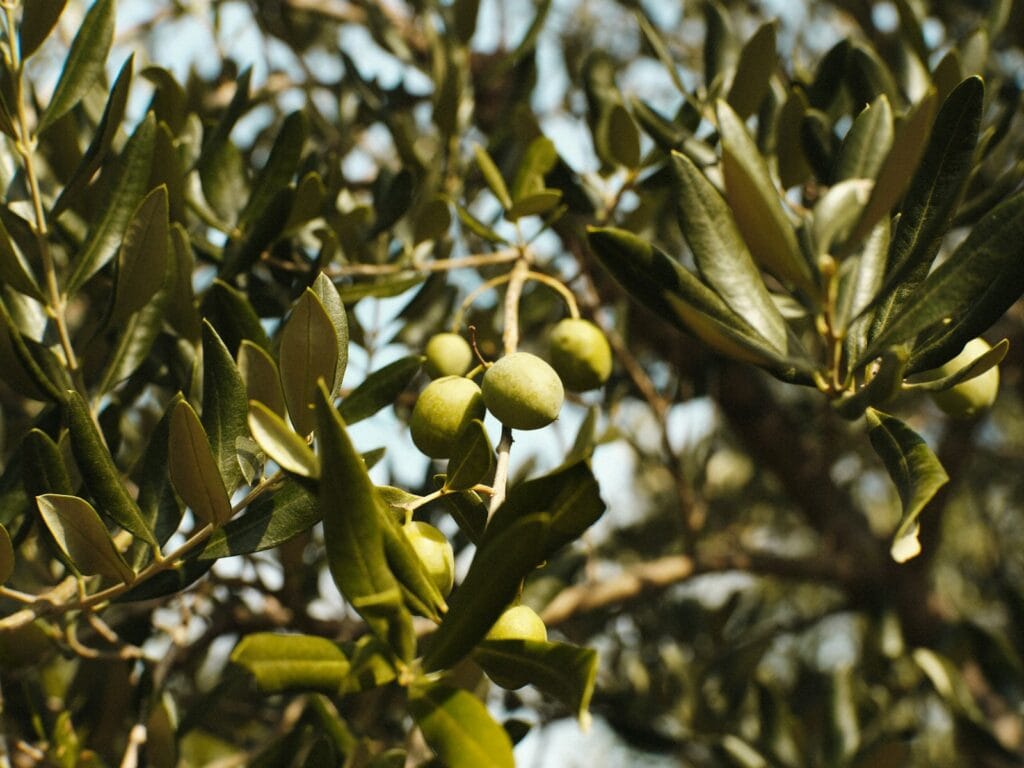
Moroccan Olive Oil: 7 Ways to Spot Quality Moroccan Olive oil, often called “liquid gold,” has been a culinary and health staple for centuries. While countries like Spain, Italy, and Greece have traditionally dominated the global market, a new contender is rapidly rising: Moroccan olive oil. Morocco now ranks as the sixth-largest producer worldwide, and its olive oil is quickly gaining recognition as a “golden elixir” celebrated for its rich flavor, impressive health benefits, and remarkable culinary versatility. The Distinctive Qualities of Moroccan Olive Oil What sets Moroccan olive oil apart? It’s a combination of unique geographical advantages, diverse olive varieties, and time-honored production methods. Unique Terroir and Climate Morocco’s diverse landscape plays a pivotal role in shaping the character of its olive oil. The majestic Atlas Mountains provide a range of altitudes and micro-climates, creating ideal conditions for olive cultivation. The country’s climate, characterized by hot, dry summers and mild winters, puts just the right amount of environmental stress on the olive trees. This stress, in turn, influences the development of unique flavor profiles and contributes to the high quality of the olives. Diverse Olive Varieties While several olive varieties thrive in Morocco, the Picholine olive is particularly noteworthy. This widely used variety produces a bold, fruity oil with subtle hints of nuttiness, making it an excellent choice for crisp salads and delicate fish dishes. Beyond the Picholine, other notable Moroccan varieties include: Menara: Known for its strong, robust taste. Dahbia: Offers a milder and more delicate flavor. Beldi: Often used by premium brands like Mina and Moresh. The specific growing location—whether coastal groves, mountain orchards, or inland valleys—further influences the oil’s character, resulting in unique oils with distinct aromas and richness. Traditional Harvesting and Modern Pressing The journey of olive oil from Morocco begins with the harvest season, typically from October to February. Many Moroccan producers still favor traditional hand-picking methods, which help preserve the quality of the delicate fruit. After harvesting, the olives are swiftly transported to mills for cold-pressing. This crucial method extracts pure oil without excessive heat, ensuring that essential nutrients and the oil’s distinctive flavor are retained. High-quality Moroccan Extra Virgin Olive Oil (EVOO), like that produced by Mina, boasts remarkably low acidity, often less than 0.2-0.3%, which is significantly below the legal requirement for EVOO. This low acidity is a strong indicator of the oil’s purity and freshness. The Powerhouse of Health Benefits: Why Moroccan Olive Oil Is So Good For You Beyond its exquisite taste, Moroccan olive oil is a nutritional powerhouse, brimming with compounds that offer extensive health benefits. Rich in Polyphenols and Antioxidants One of the most celebrated attributes of Moroccan olive oil is its high concentration of polyphenols. These natural antioxidants, found abundantly in olives, are crucial for protecting the body against damage from free radicals. Olive oil from Morocco is often lauded for its elevated polyphenol content, which can sometimes surpass levels found in olive oils from other countries (with the exception of Spain) and even rival or exceed levels in some Greek and Californian varieties. This high level is possibly due to the environmental stressors faced by olive trees in Morocco, which can stimulate the production of these protective compounds. These potent antioxidants play a vital role in minimizing cellular damage and boosting the body’s natural defenses. Cardiovascular Health Consuming olive oil, especially EVOO, is strongly linked to improved cardiovascular health. It’s a key component of the Mediterranean diet, which has been shown to significantly lower the risk of heart disease and protect against stroke. Morocco olive oil contributes to heart health by: Lowering blood pressure: Regular consumption can help maintain healthy blood pressure levels. Reducing bad cholesterol: Its high content of monounsaturated fats helps reduce low-density lipoprotein (LDL) cholesterol, often referred to as “bad” cholesterol. Enhancing immune function: Monounsaturated fats also improve the absorption of fat-soluble vitamins, further boosting the immune system. Anti-inflammatory Properties Moroccan olive oil contains oleocanthal, a natural compound that acts similarly to anti-inflammatory medications like ibuprofen. This makes it a valuable ally in combating inflammatory conditions such as arthritis and autoimmune diseases, reducing inflammation throughout the body and potentially preventing various chronic illnesses. Brain Health and Cognitive Function Emerging research suggests that Moroccan olive oil, particularly varieties rich in oleocanthal or Picholine olives, may offer significant benefits for brain health. Studies indicate it could help prevent or slow the progression of Alzheimer’s disease by protecting the brain against free radical damage and reducing inflammation. Regular consumption is also linked to improved mood and overall cognitive function. Diabetes Prevention and Management For those at risk of or managing diabetes, Moroccan olive oil can be a beneficial dietary addition. Research suggests that it can delay the onset of type 2 diabetes, especially in high-risk women. It achieves this by boosting insulin sensitivity and reducing inflammation linked to insulin resistance, making it a valuable part of a diabetes-conscious diet. Bone Health The polyphenols found in Moroccan olive oil do more than just protect cells; they also contribute to stronger bones. These compounds can help increase bone mineral density, offering a significant benefit for older adults at risk for osteoporosis. Immune System Boost With its rich profile of antioxidants, vitamins (like Vitamin E), and polyphenols, Moroccan EVOO stands out as one of the best foods for fortifying the body’s immune response. Regular consumption can help combat illness and keep your defenses strong, particularly during colder months. Culinary Versatility: Enhancing Every Dish The distinctive flavor profile of Moroccan olive oil makes it an incredibly versatile ingredient in the kitchen, elevating both everyday meals and gourmet creations. Distinctive Flavor Profile Moroccan olive oil offers a unique sensory experience. Its flavor is typically described as fruity, with a pleasant bitterness and a subtle pungency that provides a delightful kick. The aroma is often fresh and earthy, sometimes with notes of green almond or freshly cut grass. This balanced flavor profile enhances dishes without overpowering them, allowing other ingredients to shine. Wide Range of Uses The culinary applications of