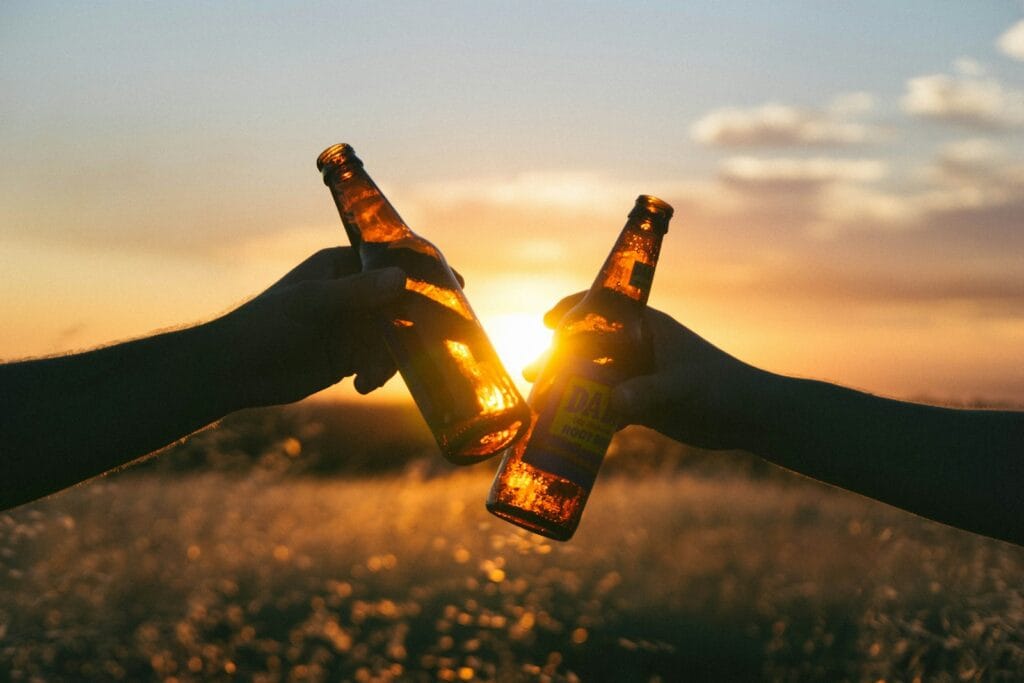
drinking alcohol in Morocco

Alcohol in Morocco: Complete Guide to Laws, Culture & Etiquette Planning a trip to Morocco and wondering if you can enjoy a glass of wine with dinner or a beer after a day of exploring? You’re not alone. As a predominantly Muslim country, Morocco has a complex relationship with alcohol that often confuses visitors. The good news is that yes, you can drink alcohol in Morocco—but there are important legal restrictions and cultural considerations to understand before you order that cocktail. This comprehensive guide covers everything you need to know about drinking alcohol in Morocco: from legal age requirements and where to buy it, to cultural etiquette and what to expect during Ramadan. Whether you’re planning your first visit or returning to this beautiful North African country, understanding these nuances will help you enjoy your trip while respecting local customs. Is Drinking Alcohol in Morocco Legal? Contrary to what many visitors assume, alcohol consumption is legal in Morocco. However, this legality comes with significant restrictions that differ from what you might be accustomed to in Western countries. Understanding these nuances is essential for enjoying your trip without inadvertently crossing cultural or legal boundaries. morocco legal drinking age 18 While alcohol is legal to consume, Morocco maintains strict regulations about where and how it can be purchased and consumed. The most important rule to remember is that public consumption of alcohol is prohibited. This means you cannot drink on streets, beaches, parks, or any other public spaces—even if you’re alone. The legal drinking age in Morocco is 18, though enforcement can vary. Always carry identification when purchasing alcohol, as vendors in tourist areas may request it. During religious holidays, particularly Ramadan, alcohol availability becomes even more restricted, with many establishments temporarily suspending sales out of respect. Islam and Alcohol: Understanding Cultural Context To fully appreciate Morocco’s relationship with alcohol, it’s important to understand the cultural and religious context. Islam, the predominant religion in Morocco, generally prohibits alcohol consumption. The Quran describes alcohol as harmful and created by Satan to spread evil and distract believers from prayer. This religious foundation shapes social attitudes toward drinking throughout the country. While Morocco is more progressive than many Muslim-majority nations regarding alcohol access, there remains a cultural sensitivity around its consumption that visitors should respect. Respecting Local Customs While Enjoying Your Trip Most Moroccans do not drink alcohol due to religious beliefs, though practices vary among individuals. As a visitor, you’re not expected to follow Islamic restrictions, but displaying sensitivity to local customs is important. This means: Never pressure locals to drink or discuss alcohol if they seem uncomfortable Keep your voice down when ordering alcoholic beverages in restaurants Avoid displaying alcohol openly or carrying it visibly in public Be especially discreet during Ramadan and other religious periods Never drink alcohol near mosques or other religious sites Where Can You Drink Alcohol in Morocco? While public consumption is forbidden, there are plenty of places where tourists can legally and comfortably enjoy alcoholic beverages in Morocco. Understanding where alcohol is permitted will help you plan your trip and avoid any uncomfortable situations. Licensed Establishments Where Alcohol is Served Hotels & Resorts Most international hotels and many riads (traditional Moroccan houses) have bars or restaurants that serve alcohol. These establishments cater primarily to tourists and provide a comfortable environment for drinking. Restaurants Higher-end restaurants, particularly those in tourist areas, often serve alcohol with meals. However, not all restaurants offer alcoholic beverages, so it’s best to check in advance. Bars & Nightclubs Dedicated bars and nightclubs exist in major cities like Marrakech, Casablanca, and Tangier. These venues typically cater to tourists and expatriates rather than locals. Urban vs. Rural Availability The availability of alcohol varies significantly between urban and rural areas in Morocco. Major cities and tourist destinations offer much easier access to alcoholic beverages than smaller towns and villages. In general: Inside the Medina vs. Outside Within the historic medinas (old city centers), alcohol is typically harder to find. Most establishments serving alcohol are located in the newer parts of cities, outside the medina walls. This reflects the traditional nature of the medina areas and their cultural significance. Tourist Areas vs. Local Neighborhoods Areas frequented by tourists have significantly more options for purchasing and consuming alcohol than predominantly local neighborhoods. This separation helps maintain cultural respect while accommodating visitor preferences. Where to Buy Alcohol in Morocco If you prefer to purchase alcohol to enjoy in your accommodation rather than at a bar or restaurant, several options are available. However, buying alcohol in Morocco works differently than in many Western countries, with specific locations and sometimes restricted hours. Purchasing Options for Tourists Supermarkets Large supermarket chains like Carrefour and Marjane sell alcohol in major cities. Look for a separate room or section with its own entrance, as alcohol is kept apart from other products. These sections typically have their own cashiers and may have security personnel. Specialty Liquor Stores Dedicated liquor stores exist in urban areas and tourist destinations. These shops often have a wider selection than supermarkets but may be less obvious from the street. Ask your hotel staff for directions to the nearest one. Duty-Free Shops If you’re flying into Morocco, airport duty-free shops offer another option to purchase alcohol. However, note that you’re limited to bringing in one liter of alcohol per person when entering the country. Shopping Hours and Restrictions Alcohol sales in Morocco follow specific hours and may have additional restrictions: Most liquor stores and supermarket alcohol sections operate from approximately 10:00 AM to 8:00 PM Alcohol sales are often suspended on Fridays (the Muslim holy day) during prayer times During Ramadan, many stores stop selling alcohol entirely or significantly reduce their hours Some stores may require you to show your passport to prove you’re a tourist Moroccan-Produced Alcohol: What to Try Despite its cultural restrictions on alcohol, Morocco has a surprisingly robust domestic alcohol production industry. Local wines, beers, and spirits offer visitors a chance to taste uniquely Moroccan flavors while supporting local businesses. Moroccan Wines
Cast of the odyssey 2026

odyssey 2026 cast scover Christopher Nolan’s The Odyssey: All You Need to Know Christopher Nolan’s The Odyssey Reveals New Cast Images Christopher Nolan’s The Odyssey Reveals New Cast Images, and the cinematic world is officially on alert. As one of the most ambitious film projects of the decade, Christopher Nolan’s adaptation of Homer’s legendary epic has been surrounded by mystery since its announcement. Now, with the release of new official cast images, audiences finally have tangible insight into the director’s bold vision for this mythological journey. The newly revealed images provide our first detailed look at the film’s principal characters, offering visual confirmation of casting rumors while setting the tone for what promises to be a visually striking and emotionally grounded epic. From weathered armor and ancient landscapes to intimate character moments, these stills suggest that Nolan is blending historical realism with mythic grandeur in a way only he can. For movie lovers, history enthusiasts, and travelers fascinated by ancient civilizations, this reveal is more than just promotional material—it’s a window into a cinematic world shaped by real locations, classical mythology, and Nolan’s signature storytelling approach. In this article, we’ll break down what the new cast images reveal, explore the characters and performances hinted at in the visuals, analyze production choices, and examine why this film could redefine mythological cinema for a modern audience. the odyssey movie 2026 cast trailer Numerous adaptations of Homer’s Odyssey have been created over the years, with the 1997 Emmy-winning miniseries The Odyssey featuring Armand Assante and the 1954 Italian film Ulysses, starring Kirk Douglas, being particularly notable. Nevertheless, Christopher Nolan’s upcoming adaptation of the narrative for 2026 appears to be groundbreaking. Nolan, celebrated for his grand storytelling and realistic cinematic approach, is set to infuse his unique style into the timeless tale of Odysseus, a hero who must confront gods, monsters, and destiny itself on a perilous journey to return home. Here is everything we currently know about The Odyssey, directed by Christopher Nolan. Who are Cast of The Odyssey (2026)? Two-time Academy Award-winning director Christopher Nolan is gearing up to take us back to ancient Greece with his upcoming adaptation of Homer’s The Odyssey, which is set to hit theaters on July 17, 2026. True to Nolan’s style, he’s putting together an amazing cast to bring this story to life, and we’re thrilled to reveal who will be part of the film. While there have been plenty of rumors about cast additions, the only actor officially confirmed for a role is Matt Damon, who will take on the lead character, Odysseus. The first teaser trailer for The Odyssey has been released alongside Jurassic World Rebirth, giving us a glimpse, although Universal hasn’t made it available outside of theaters yet. The footage suggests that Damon will be joined by Tom Holland as Telemachus, Jon Bernthal as King Menelaus, and possibly Lupita Nyong’o as Helen of Troy. From Ancient Epic to Modern Cinema Matt Damon as Odysseus The most striking of the newly released images features Matt Damon as Odysseus. Clad in worn armor, with a hardened expression and battle-scarred appearance, Damon’s portrayal immediately conveys exhaustion, resilience, and authority. Rather than presenting Odysseus as a flawless hero, the image suggests a man shaped by war and loss. This interpretation aligns with Nolan’s tendency to humanize legendary figures, focusing on internal conflict as much as external challenges. Anne Hathaway as Penelope Another powerful image reveals Anne Hathaway as Penelope, Odysseus’s wife. The visual emphasizes restraint and quiet strength rather than overt drama. Her costume design reflects nobility without excess, reinforcing Penelope’s role as a symbol of patience, intelligence, and emotional endurance. The image hints that Penelope’s story will carry equal emotional weight, highlighting her strategic mind and resilience during Odysseus’s long absence. Tom Holland as Telemachus Tom Holland’s Telemachus appears younger, focused, and uncertain—perfectly capturing the character’s transition from boyhood to manhood. His posture and expression suggest a character searching for identity while living under the shadow of a legendary father. This casting choice points to a coming-of-age arc that mirrors Odysseus’s physical journey, adding emotional depth to the narrative. Robert Pattinson and Supporting Characters The newly revealed images also include Robert Pattinson as Antinous, one of Penelope’s most aggressive suitors. His refined yet threatening presence signals a calculated antagonist rather than a brute force villain. Other supporting characters glimpsed in the images hint at a diverse ensemble, each carefully styled to reflect historical authenticity rather than fantasy spectacle. Christopher Nolan’s The Odyssey Reveals New Cast Images: A Closer Look Homer’s The Odyssey is one of the oldest and most influential stories ever told. Written over 2,700 years ago, it follows Odysseus, king of Ithaca, as he struggles to return home after the Trojan War. His journey is filled with trials—monsters, gods, betrayal, and temptation—while his wife Penelope and son Telemachus fight to preserve their home in his absence. What makes The Odyssey timeless is its emotional core. At its heart, it’s a story about perseverance, identity, loyalty, and the cost of war. These themes resonate just as strongly today as they did in ancient Greece, making the story fertile ground for a modern reinterpretation. The Odyssey 2026 Cast and Characters: Who’s Confirmed for the Christopher Nolan Film? Matt Damon as OdysseusMatt Damon is gearing up to portray Odysseus in Nolan’s take on The Odyssey. His name popped up first when the news about this project broke, and this will be the third time the Academy Award-winning actor teams up with Nolan, after their collaborations on Interstellar and Oppenheimer. Tom Holland as Telemachus Tom Holland, famous for his role as Spider-Man, has joined the cast of The Odyssey, with reports from People confirming that he will play Odysseus’ son, Telemachus. This was seemingly validated by the teaser trailer. Besides his role in the MCU, Holland has been in movies like Uncharted, Last Call, Cherry, Onward, and more. Zendaya Zendaya, who also appeared in the Spider-Man films as MJ and is engaged to Tom Holland, will
can you drink alcohol in morocco
Can you drink alcohol in morocco? Yes, you can! Yes, you can drink alcohol, but its availability and consumption are governed by important legal restrictions and cultural etiquette. This guide covers where to buy it, legal requirements, and key cultural nuances. Alcohol in Morocco: Complete Guide to Laws, Culture & Etiquette Can you drink alcohol in morocco? Yes, you can! Yes, you can drink alcohol in Morocco, especially for tourists and non-Muslims, but it is subject to important regulations and cultural norms. Tourists can legally enjoy alcoholic beverages in licensed establishments like hotels and restaurants, Contrary to what many visitors assume, alcohol consumption is legal in Morocco. However, this legality comes with significant restrictions that differ from what you might be accustomed to in Western countries. Understanding these nuances is essential for enjoying your trip without inadvertently crossing cultural or legal boundaries. can you buy alcohol in morocco? Large supermarket chains like Carrefour and Marjane sell alcohol in major cities. Look for a separate room or section with its own entrance, as alcohol is kept apart from other products. These sections typically have their own cashiers and may have security personnel. Dedicated liquor stores exist in urban areas and tourist destinations. These shops often have a wider selection than supermarkets but may be less obvious from the street; ask your hotel staff for directions to the nearest one. If you’re flying into Morocco, airport duty-free shops offer another option to purchase alcohol, though you’re limited to bringing in one liter of alcohol per person when entering the country. Shopping Hours and Restrictions: Alcohol sales in Morocco follow specific hours and may have additional restrictions. Most liquor stores and supermarket alcohol sections operate from approximately 10:00 AM to 8:00 PM. Alcohol sales are often suspended on Fridays (the Muslim holy day) during prayer times. During Ramadan, many stores stop selling alcohol entirely or significantly reduce their hours. Some stores may require you to show your passport to prove you’re a tourist. Where Can You Drink Alcohol in Morocco? Most international hotels and many riads (traditional Moroccan houses) have bars or restaurants that serve alcohol. These establishments cater primarily to tourists and provide a comfortable environment for drinking. Higher-end restaurants, particularly those in tourist areas, often serve alcohol with meals. However, not all restaurants offer alcoholic beverages, so it’s best to check in advance. Dedicated bars and nightclubs exist in major cities like Marrakech, Casablanca, and Tangier. These venues typically cater to tourists and expatriates rather than locals. can you take alcohol into Morocco? Yes, tourists are legally allowed to bring alcohol into Morocco, but there is a strict limit on the quantity you can import duty-free. The standard allowance per adult traveler (18 years or older) is: 1 liter of spirits (or other high-proof alcohol) and 1 liter of wine. Alternatively, you may bring the equivalent total amount of alcohol. Where is the cheapest place to buy a bottle of wine or beer in Marrakesh? Large supermarket chains like Carrefour and Menara Mall sell alcohol in major cities. Look for a separate room or section with its own entrance, as alcohol is kept apart from other products. These sections typically have their own cashiers and may have security personnel. Are the bars and clubs in Marrakesh safe for solo female travelers or tourists? Yes, the bars and clubs in Marrakesh are generally considered safe for tourists, including solo female travelers, provided you exercise standard precautions and are aware of the cultural context. Secure Your Moroccan Adventure Today! book your tour Can tourists still buy or be served alcohol during Ramadan, and where are the few places that remain open (e.g., big hotels only)? Yes, tourists can still find alcohol during Ramadan, but it’s limited to certain places. Big international hotels and upscale tourist restaurants typically keep serving it. On the other hand, most supermarket alcohol sections and liquor stores are usually shut down or have really limited hours. Tourists need to be super discreet and should avoid drinking alcohol in public. What happens if I’m caught drinking in public in Morocco? Public consumption of alcohol is illegal in Morocco and can result in fines or even detention, particularly if combined with disorderly behavior. While enforcement may vary, it’s never worth the risk. Always consume alcohol only in licensed establishments or private accommodations. Are there any alcohol-free zones in Morocco? Yes. Alcohol is generally not available within the old medinas (historic city centers), near mosques or other religious sites, and in more conservative rural areas. Additionally, some smaller towns may not have any establishments licensed to sell alcohol. What are the main Moroccan beer brands? The main Moroccan beer brands are: Casablanca (a Pale Lager, considered the premium local choice and popular in tourist areas); Flag Spéciale (a Pilsner/Lager that is the best-selling and most common beer, known for being refreshing); and Stork (a Light Lager, often the lightest and least expensive local brand). You will also commonly find Heineken, which is brewed locally under license. how long does alcohol stay in urine? The length of time alcohol stays in urine is typically 12 to 24 hours for a standard urine alcohol test that measures ethanol. However, highly sensitive tests that measure alcohol metabolites (like EtG/EtS) can detect alcohol use for up to 72 hours (3 days), and sometimes up to 80 hours after heavy consumption. What is the average price of a moroccan beer? The average price of a local Moroccan beer (like Flag Spéciale or Casablanca) is: In a Supermarket or Liquor Store: 15 MAD to 25 MAD (about $1.50 to $2.50 USD). In a Licensed Bar or Restaurant: 50 MAD to 80 MAD (about $5 to $8 USD). coldest city in Morocco Ifrane snow snow in Morocco Ifrane travel guide drinking alcohol in Morocco 16 November 2025 Alcohol in Morocco: Complete Guide to Laws, Culture & Etiquette Planning a trip to Morocco and wondering if you can… Read More → Cast of the odyssey 2026 15 November 2025
Marrakech Casablanca
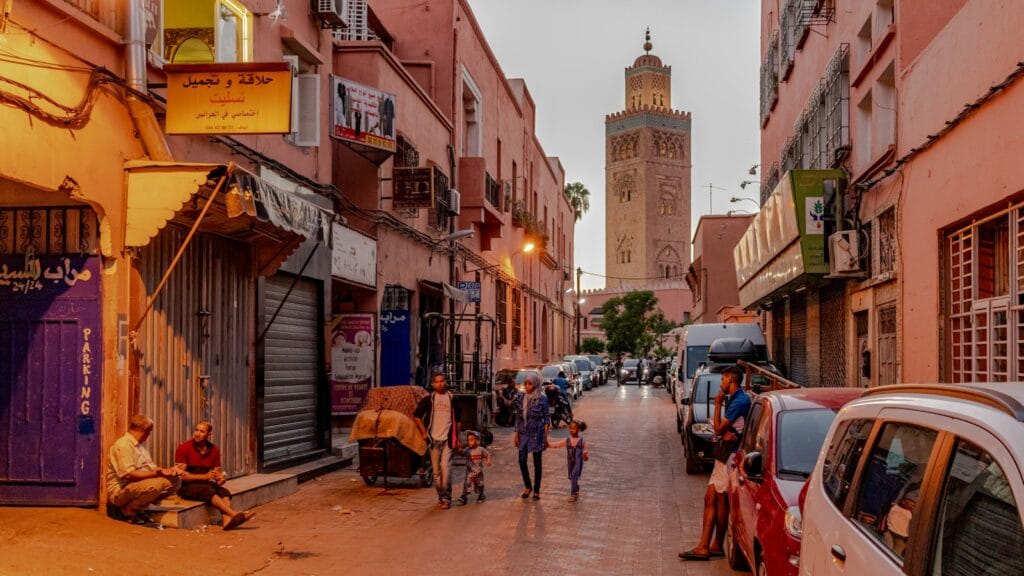
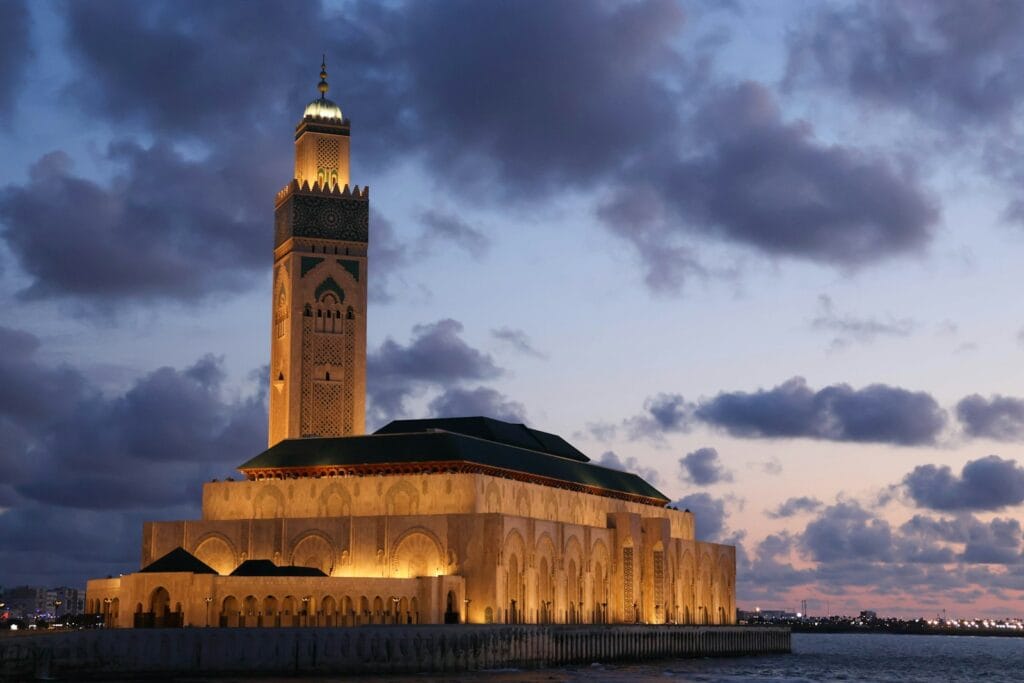
Marrakech Casablanca: Which City Is Better for Tourists? Morocco, a country known for its rich cultural heritage and diverse landscapes, is home to two iconic cities: Marrakech and Casablanca. While both cities are popular tourist destinations, they have distinct characteristics that set them apart. Marrakech or Casablanca: Why Choose? (5 Reasons) Marrakech or Casablanca. These cities are not only significant in terms of their geographical locations but also play crucial roles in the country’s cultural and economic landscape. where is Marrakech located? Marrakech is located in southwestern Morocco, right near the foothills of the magnificent Atlas Mountains. the interior of Morocco, known for its rich cultural heritage and historical significance. It is a major tourist destination, attracting visitors from around the world with its vibrant souks and stunning architecture. The city serves as the gateway to the majestic Atlas Mountains, offering easy access to hiking and desert adventures. Its famous central square, Jemaa el-Fnaa, provides a constant spectacle of performers, storytellers, and food stalls. 3 Day Merzouga Desert Tour from Errachidia Sahara Magic where is Casablanca located? Casablanca is located on the Atlantic coast in the central-western part of Morocco. (known locally as “Casa”) is Morocco’s largest city and economic powerhouse, situated directly on the Atlantic Ocean. It serves as the primary gateway for business and trade, featuring one of the largest artificial ports in the world. For travelers looking to explore more of Morocco, the city is an essential transit point. The popular journey from Casablanca to Marrakech is fast and convenient, primarily utilizing the national rail system. The Casablanca to Marrakech train journey typically takes between 2.5 to 3 hours and is the recommended, most efficient way to travel between the two iconic cities. This accessibility makes Casablanca a prime starting or ending point for any comprehensive Morocco itinerary. how far is Casablanca from Marrakech? The distance between Casablanca and Marrakech is approximately 240 to 250 kilometers (149 to 155 miles) by road. By train, the fastest and most common way to travel, the journey takes about 2 hours and 40 minutes. how far is Marrakech from Casablanca? Marrakech is located about 240 kilometers (150 miles) north of Casablanca, making the trip a short 2.5 to 3-hour journey. on the express train or by car on the motorway. Is it better to fly into Casablanca or Marrakech when starting a Morocco trip? Choose Marrakech (RAK) if you prioritize immediate cultural immersion and quick access to the main tourist sites (Medina, mountains). Choose Casablanca (CMN) if you need the widest selection of international flights, potentially lower fares, or plan to start your trip in the North (like Rabat or Fez). Best Tangier Desert Tour 6 Days to Merzouga Across Morocco How much does the Casablanca to Marrakech train cost, and how long does it take? The train journey from Casablanca to Marrakech takes about 2 hours and 40 minutes. The cost is approximately: 2nd Class: MAD 95 – 140 (around $10 – $15) 1st Class: MAD 140 – 190 (around $15 – $20) How many days should I spend in Marrakech versus Casablanca? Generally, allocate 3 to 4 days for a full experience in Marrakech and 1 day for Casablanca. Marrakech vs Casablanca Marrakech and Casablanca, two of Morocco’s most iconic cities, showcase distinct cultural identities that reflect their unique histories and contemporary lifestyles. The cultural fabric of these cities is woven from the threads of tradition and modernity, creating a rich tapestry that is quintessentially Moroccan. Casablanca embodies modern Morocco, acting as the economic hub with a cosmopolitan, “city that never sleeps” vibe. Its culture is defined by sleek architecture and a vibrant, dynamic arts scene (like the Art Center) where tradition meets innovation. Marrakech, in contrast, is known for its preserved, timeless heritage. Its cultural identity rests on the ancient medina, vibrant souks, and historic landmarks like the Koutoubia Mosque, offering a deep connection to its storied past that it wears “on its sleeve.” is Marrakech cheap? Yes, Marrakech is generally very cheap for travelers compared to most Western destinations. A mid-range traveler can comfortably enjoy a beautiful Riad stay, eat well, and visit attractions for about $80 – $150 USD per day. is Casablanca cheap? Casablanca is generally cheap compared to most major cities in Europe or North America, but it is more expensive than tourist hubs like Marrakech. A mid-range traveler can expect to spend about $100 – $180 USD per day for accommodation, food, and activities. Local transportation and traditional food remain very affordable. What is the best time to visit Marrakech and Casablanca? The best time to visit Marrakech and Casablanca is during the spring (March to May) and autumn (September to November), when the weather is mild and pleasant. is Marrakech safe? Yes, Marrakech is generally safe for tourists. The main issues are petty theft (pickpockets) and hustlers/scams in crowded areas like the Jemaa el-Fnaa square, but violent crime is rare. is Casablanca safe? Yes, Casablanca is generally safe for tourists. The main issues are petty crime (pickpocketing) in crowded areas and heavy traffic. Violent crime is rare. Conclusion: Choosing Between Marrakech and Casablanca Deciding between [marrakech casablanca] is the biggest planning headache for any Morocco trip! Both cities offer unique experiences, but they cater to completely different tastes are you after ancient history or modern commerce? For travelers seeking total cultural immersion think Jemaa el-Fnaa and grand palaces Marrakech is the ultimate choice. If you prefer modern amenities mixed with tradition, the attractions of Casablanca (Hassan II Mosque, Corniche) make the Marrakech Casablanca decision easy! The ultimate travel decision comes down to Marrakech vs Casablanca. If you are drawn to deep history, colorful souks, and a lively atmosphere, Marrakech is the clear winner. However, if you prefer a contemporary vibe, with coastal scenery and modern culture, then Casablanca is an excellent choice. Our guide breaks down the full marrakech casablanca comparison! Getting to know the unique character of both cities is key! Once you understand the distinct styles of marrakech
is 6000 dirham good to solo travel in morocco
is 6000 dirham good to solo travel in morocco Understanding the costs involved in Morocco expenses is crucial for planning. From accommodation to food and activities, the costs can vary widely. This article aims to provide a comprehensive guide on whether 6000 dirham is sufficient for a solo traveler in Morocco, covering various aspects of solo travel in Morocco. morocco 30-day solo trip budget cost expenses 2026 When planning a solo trip to Morocco, you’re asking the key question: is 6000 dirham good to solo travel in Morocco? Understanding the value of this budget is crucial, and we analyze its worth from different travel perspectives from comfortable mid-range to budget-focused adventure. Morocco Currency Exchange: Dirham to USD Conversion The Moroccan dirham (MAD) is the local currency. As of the current exchange rates, 6000 MAD is approximately $600 USD. This conversion gives travelers a baseline to understand their budget in more familiar terms. Purchasing Power of Dirham in Morocco The purchasing power of 6000 dirham in Morocco is substantial, depending on the travel style and locations visited. Morocco offers a range of experiences from affordable street food to luxury riads, making it adaptable to various budgets. How Long Can 6000 Dirham Last? The duration that 6000 dirham can last depends on daily expenses, including accommodation, food, transportation, and activities. A detailed breakdown is essential to estimate the budget duration accurately. Daily Expenses Estimated Cost (MAD) Duration (6000 MAD) Budget Traveler 200 30 days Mid-range Traveler 400 15 days Luxury Traveler 800 7.5 days Breaking Down Daily Expenses in Morocco To truly answer the question, is 6000 dirham good to solo travel in Morocco, we need to break down daily expenses. For a solo traveler, maximizing this 6000 dirham budget involves carefully categorizing costs into accommodation, food, transportation, and activities. Accommodation Costs: From Hostels to RiadsAccommodation is one of the significant expenses for travelers. In Morocco, options range from budget-friendly hostels to luxurious riads. Hostels can cost between 50-150 dirham per night, while mid-range riads can cost 200-500 dirham per night. Food and Drink ExpensesFood in Morocco can be very affordable. Eating at local markets or street food stalls can cost as little as 20-30 dirham per meal. Mid-range restaurants typically charge 50-100 dirham per meal. Transportation Costs Within and Between CitiesTransportation costs vary depending on the mode of transport. Buses are the most economical option, with fares starting from 10 dirham for short distances. Trains are also affordable, with prices starting at around 30 dirham for a single journey. Activities and Sightseeing ExpensesTo fully assess is 6000 dirham good to solo travel in Morocco, we look at activities. Morocco is rich in cultural experiences, with entry fees to sites like the Bahia Palace in Marrakech costing roughly 70 dirham. Even guided tours, which vary significantly in price, are manageable within this budget. Expense Category Low Cost Mid-Range High Cost Accommodation (per night) 50-150 dirham 200-500 dirham 800+ dirham Food (per meal) 20-30 dirham 50-100 dirham 150+ dirham Transportation (single journey) 10-30 dirham 30-70 dirham 100+ dirham Attractions (entry fee) 20-70 dirham 70-120 dirham 150+ dirham Is 6000 Dirham Good to Solo Travel in Morocco? To answer the crucial question, is 6000 dirham good to solo travel in Morocco, we need a clear budget breakdown. While 6000 dirham allows solo travelers to explore Morocco, understanding its limitations across accommodation, food, and activities is key. We analyze this budget against different travel durations and styles to give you the full picture. morocco Budget Breakdown by Travel Duration The crucial factor in determining is 6000 dirham good to solo travel in Morocco is the duration of your stay. For a solo traveler, the longer your trip, the tighter your budget will be. Let’s look at a budget breakdown based on different travel durations. Short Stay (5-7 days): With 6000 dirham, you can enjoy a comfortable short stay, covering accommodation, meals, and activities. Medium Stay (1-2 weeks): For a longer stay, budgeting around 800-1200 dirham per day is realistic, allowing for a mix of budget and comfort experiences. Extended Stay (more than 2 weeks): Extending your stay requires careful budgeting, potentially reducing daily expenses to around 500-800 dirham by opting for budget-friendly accommodations and local eateries. What This Budget Can Realistically Cover A budget of 6000 dirham can cover a variety of experiences in Morocco, including: Accommodation: Budget hostels and riads, offering a range of options from basic to more luxurious stays. Food and Drink: Enjoying local cuisine at street food stalls and mid-range restaurants. Transportation: Using public transport, shared taxis, and occasional private transfers. Activities: Exploring historical sites, taking guided tours, and experiencing local culture. Comparing Different Travel Styles: Budget vs. Comfort The travel style is a major factor in determining is 6000 dirham good to solo travel in Morocco. Budget travelers can maximize their 6000 dirham by opting for shared accommodations, local street food, and public transport. Conversely, comfort travelers selecting mid-range hotels, private transfers, and nicer dining will stretch their budget thinner. Ultimately, the answer to is 6000 dirham good to solo travel in Morocco depends on your travel style, duration of stay, and personal preferences. With careful planning, this budget can absolutely support a fulfilling solo travel experience in Morocco Regional Cost Differences Across Morocco Understanding the cost differences across Morocco’s various regions is crucial for travelers planning their itinerary. Morocco’s diverse regions offer unique experiences, from bustling cities to serene natural landscapes, each with its own cost structure. Tourist Hotspots: Marrakech, Fes, and Casablanca Tourist hotspots like Marrakech, Fes, and Casablanca tend to be more expensive due to their popularity and high demand for accommodations and services. In Marrakech, for example, prices for food and lodging can be higher than in other parts of the country. A meal in a mid-range restaurant can cost between 50-100 MAD ($5-10 USD) per person, while accommodation prices vary widely depending on the type of lodging chosen. Coastal Areas: Essaouira and Tangier Coastal areas like Essaouira and Tangier offer a more relaxed atmosphere
Does It Snow In Morocco?
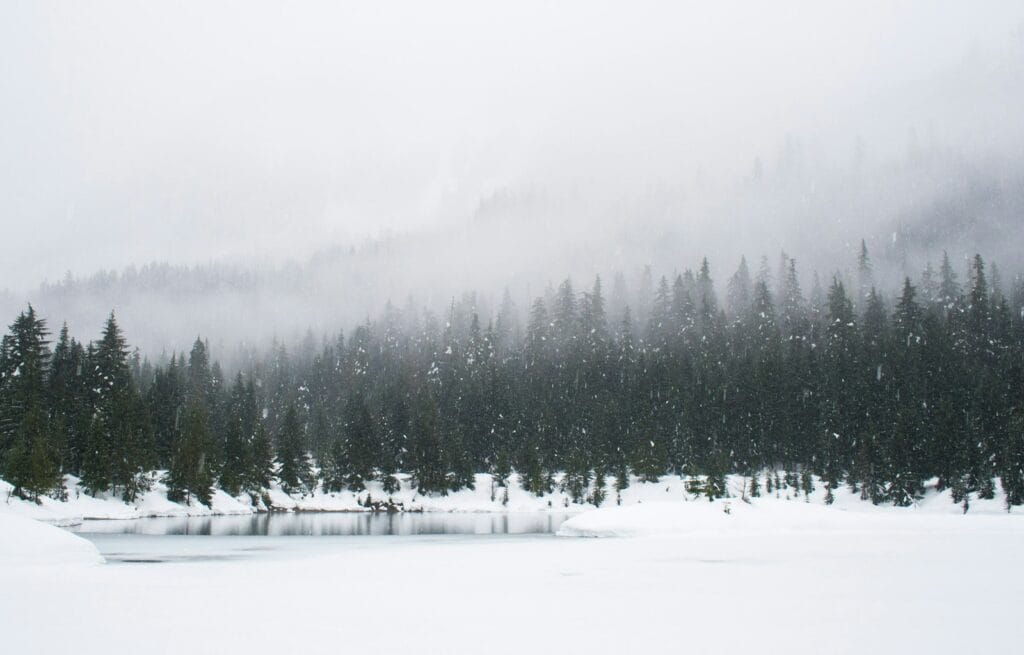
how often does it snow in morocco Morocco cities with snow: Snow in Morocco Morocco is known worldwide for its sweeping Sahara dunes, vibrant souks, and sun-soaked coastal cities — but snow in Morocco might not be what most people picture. Despite its reputation as a warm destination, Morocco’s mountainous landscapes and varied climate zones mean that snow is a real and fascinating part of the country’s weather story. Many travelers are surprised to learn that it does snow in Morocco — and not just occasionally. In specific regions, especially at higher elevations, snowfall occurs every winter, shaping the landscapes, local economies, and even offering opportunities for winter sports. In this guide, we’ll answer the big question: how often does it snow in Morocco? We’ll explore where snow is most common, how often it occurs in different regions, the timing and seasonal patterns, and why Morocco’s climate creates such a dynamic winter experience. Whether you’re curious about snow-covered peaks or planning a trip to see winter landscapes, this article will give you a complete picture of snowfall patterns across this diverse North African nation. Overview: Does It Snow in Morocco? Morocco’s Diverse Climate Zones Morocco’s climate ranges from Mediterranean on the coast to arid and semi-arid inland, with mountain ranges cutting across the country. These climate differences are key to understanding snowfall patterns. Coastal cities like Casablanca and Rabat remain mild year-round, rarely seeing frost and almost never experiencing snow. In contrast, the Atlas Mountains and northern highlands develop winter conditions cold enough for snow due to their elevation and atmospheric dynamics. This variety makes Morocco one of the few African countries where snowy landscapes and warm deserts coexist. Where Snow Occurs Most Often The areas that consistently see snow each year include: High Atlas Mountains — the most reliable snow in the country, hosting ski resorts like Oukaimeden. Middle Atlas Mountains — towns like Ifrane often turn into winter wonderlands. Rif Mountains — less predictable than the Atlas but still snowy at higher elevations. These regions, particularly at elevations above 1,800–2,000 meters, receive snow every winter, often enough to fill ski slopes and provide seasonal scenes similar to European mountain destinations. assahifa How Often Does It Snow in Morocco? (General Answer) Snowfall Frequency in Mountain Regions In the Atlas and Rif ranges, snowfall happens every winter. The duration and intensity vary year-to-year, but snow typically falls annually between December and March, with the peak of snowfall usually in January and February. Satellite images and meteorological observations confirm that significant snow cover develops regularly at high elevations. Snow in Cities vs. Mountains Major cities (Casablanca, Rabat, Marrakech, Fes): Almost never see measurable snow. Even in cold winters, these places may get frost or very light flurries only in rare exceptional conditions. Mountain towns (Ifrane, Midelt, Azilal): See snow almost every winter, especially above 1,500 m. Highest peaks: Can remain snow-covered for extended periods and even support ski tourism. For example, Fez’s climate data indicates snowfall happens on average once every few years within the city itself, but the surrounding highlands see snow much more consistently. When Does It Snow in Morocco? (Seasonality) Typical Winter Window The Moroccan snow season runs roughly from late November through March, aligned with the region’s winter temperatures and moisture patterns. Peak Snow Months December: Snow begins in earnest in the higher ranges. January–February: The most reliable and heavy snow months. March: Snow may linger at high elevations but becomes less predictable. These patterns align with broader Northern Hemisphere winter cycles, where colder air masses from Europe and the Atlantic interact with elevated terrain to produce snow at altitude. Snow Depth & Snow Events Ifrane: The Coldest City in Morocco,Nestled in the Middle Atlas Mountains, Ifrane is known as the coldest city in Morocco. It holds the record for Africa’s lowest temperature, which dropped to −23.9°C (−11.0°F) on February 11, 1935. Thanks to its high altitude, Ifrane experiences heavy snowfall and much colder winters than most other regions in the country, giving it a unique alpine charm often compared to European mountain towns. What is the coldest city in morocco? Heavy Snowfall Events Weather alerts from Moroccan meteorological authorities show that snowfall depths of 10–50 cm are not uncommon in mountainous provinces during active winter weather systems. These events can affect travel, local communities, and water availability as the snow accumulates and melts. Occasional Snow Outside High Elevation While rare, there are occasional reports of light snow or flurries in regions not typically known for snow sometimes tied to unusual weather systems but these are exceptions rather than the rule. Climate Variability & Snow Trends Factors Affecting Snow Frequency Snowfall in Morocco is strongly tied to: Elevation: Higher elevations have colder temperatures conducive to snow. Latitude & weather systems: Interaction of Atlantic and Mediterranean systems drives winter precipitation. Seasonal temperature drops: Essential for moisture to fall as snow rather than rain. Climate Change Influences Long-term studies indicate that snow cover variability is significant year-to-year and may be influenced by broader climate trends, with warmer winters potentially reducing the snow extent at lower elevations. This mirrors global observations about snow cover and mountain climates warming faster at lower heights. Snow-Based Water Resources Snow in Morocco is more than weather spectacle, it’s an important natural water reservoir. Meltwater from winter snow in the Atlas feeds rivers and contributes to water availability during drier months, impacting agriculture and communities downstream. Seasonal snowmelt can provide a significant percentage of total river flow in affected basins. How Often Does It Snow in Major Cities? Casablanca & Rabat: Snow is almost unheard of due to stable, mild coastal climate. Marrakech: Rare flurries are recorded only under exceptional conditions, but snow in the city itself is highly unusual. Fes: Snow is rare but has occurred several times over decades, with light events roughly every few years. Urban snowfall events are notable when they happen because they break the typical pattern of cold but snowless winters in these cities. What to Expect If You’re Observing
What is the Moroccan language?
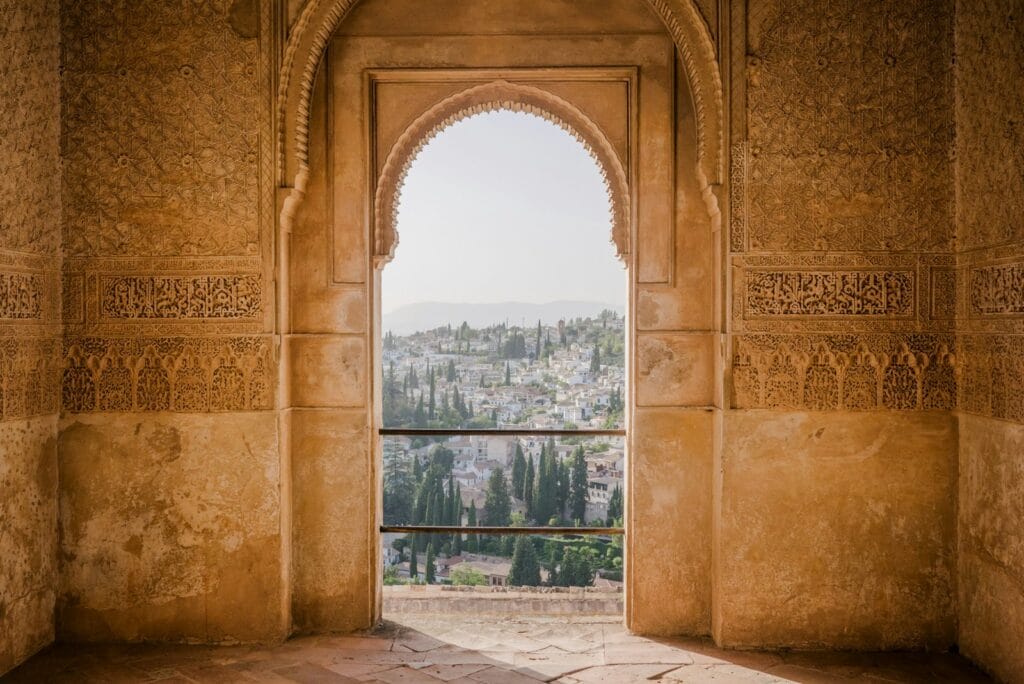
What is the Moroccan Language? 6 Surprising History Facts Learn More What is the Moroccan Language? A Guide to Linguistic Diversity in Morocco The Moroccan language is Amazigh (Tamazight). and Arabic (Modern Standard Arabic), the linguistic landscape is as diverse and colorful as its famous markets. When people ask, ” What is the Moroccan language ?” they’re stepping into a rich tapestry of linguistic heritage shaped by centuries of cultural exchange. From the bustling streets of Casablanca to the remote villages of the Atlas Mountains, Morocco’s languages tell the story of its history, identity, and position at the crossroads of Africa, Europe, and the Middle East. This guide will take you through Morocco‘s fascinating linguistic diversity, explaining the official languages, the widely-spoken Moroccan Arabic (Darija), the indigenous Berber languages, and the European influences that have shaped how Moroccans communicate today. what Language do Moroccans speak? Morocco’s two official languages are Arabic and Amazigh, but virtually all Moroccans speak and understand French Morocco’s constitution officially recognizes two languages: Modern Standard Arabic and Standard Moroccan Berber (Amazigh). When considering what is the Moroccan language, this dual recognition reflects both Morocco’s Arab-Islamic heritage and its acknowledgment of the indigenous Berber population’s cultural rights. Modern Standard Arabic Modern Standard Arabic (MSA) is the standardized, literary form of Arabic used throughout the Arab world. In Morocco, it serves as: The language of government communications and official documents The primary language of education in public schools The language of formal media, news broadcasts, and newspapers The language used for religious purposes, including sermons and Quranic studies Moroccan Berber (Amazigh) In 2011, Morocco took the historic step of recognizing Amazigh (Berber) as an official language alongside Arabic. This recognition came after decades of Amazigh cultural activism and represents an important acknowledgment of Morocco’s indigenous heritage. Tashelhit Spoken by approximately 14.2% of Moroccans, primarily in the Anti-Atlas Mountains and central Morocco. Central Atlas Tamazight Used by around 7.4% of the population, mainly in the Middle and High Atlas Mountains regions. Tarifit Spoken by roughly 3.2% of Moroccans, concentrated in the Rif Mountains of northern Morocco. The standardization of Berber uses the Tifinagh alphabet, an ancient script revived for modern use. Since 2019, the Moroccan government has been working to expand Berber language education to all schools, though as of 2023, only about 10% of Moroccan pupils study Berber. Discover more in our Morocco Travel Guide read more Moroccan Arabic (Darija): The Language of Daily Life While Modern Standard Arabic is the official language, Moroccan Arabic known locally as “Darija” is the true mother tongue and everyday language for most Moroccans. Darija is spoken by 91.9% of Morocco’s population, with 80.6% considering it their native language, giving a more complete answer to the question of what is the Moroccan language. What Makes Darija Unique? Darija belongs to the Maghrebi Arabic dialect family but has several distinctive features that set it apart from other Arabic Phonological Features Reduction of short vowels, creating consonant clusters Unique pronunciation of certain consonants Distinctive intonation patterns Vocabulary Influences Substantial Berber substrate (vocabulary and grammar) French loanwords (especially for modern concepts) Spanish influence (particularly in northern regions) Some words from African Romance languages Darija varies regionally across Morocco, with noticeable differences between urban and rural dialects. The dialect spoken in Casablanca, Rabat, Meknes, and Fez is considered the mainstream variety and dominates media and entertainment, further illustrating the complexity behind the question of what is the Moroccan language. Berber Languages: Morocco’s Indigenous Linguistic Heritage The Berber languages (Amazigh) represent Morocco‘s indigenous linguistic heritage, predating the Arab conquest of North Africa. These languages are not merely dialects but distinct languages with their own grammatical structures, vocabularies, and cultural expressions. Major Berber Languages in Morocco Language Speakers (%) Primary Regions Notable Features Tashelhit 14.2% Anti-Atlas Mountains, Souss Valley, High Atlas Largest Berber language in Morocco; rich literary tradition Central Atlas Tamazight 7.4% Middle Atlas, parts of High Atlas Basis for standardized Amazigh; significant dialectal variation Tarifit 3.2% Rif Mountains (northern Morocco) Strong Spanish influence; distinctive phonology Senhaja de Srair Western Rif Mountains Endangered; preserves ancient Berber features Ghomara Western Rif Mountains Critically endangered; only a few thousand speakers The Resurgence of Berber Identity After decades of marginalization, Berber languages and culture have experienced a significant revival in Morocco. This resurgence is evident in several developments: Constitutional recognition as an official language in 2011 Creation of the Royal Institute of Amazigh Culture (IRCAM) in 2001 Standardization of the Tifinagh alphabet for writing Berber Introduction of Berber language education in schools Increased presence in media, including dedicated TV and radio channels Growing pride in Berber identity among younger generations Today, more than 60% of Moroccans identify as Amazigh or Berber, acknowledging this aspect of their heritage even if they may not speak a Berber language fluently. This cultural identification transcends linguistic boundaries and represents an important part of Morocco’s national identity. Explore Berber Culture and Language Discover the rich heritage of Morocco’s indigenous Amazigh people with our interactive map and cultural guide. Discover Morocco European Languages in Morocco: Colonial Legacy and Modern Utility French: The Language of Prestige and Opportunity French maintains a prominent position in Morocco as a result of the French Protectorate (1912-1956). Despite not having official status, French serves as a de facto second language and is widely used in: Business and commerce Higher education (especially scientific and technical fields) Government administration Upscale urban settings and tourism Media and publishing According to the 2024 census, 57.7% of Morocco’s literate population can read and write in French. The language is taught in schools from an early age, and in 2020, Morocco reintroduced French as the medium of instruction for science and mathematics after a period of Arabization. French often serves as a marker of education and social status in Morocco. Code-switching between Darija and French is common in urban areas, particularly among the educated middle and upper classes, demonstrating the complexity that arises when trying to answer what is the Moroccan language with a single term.
Morocco Wine
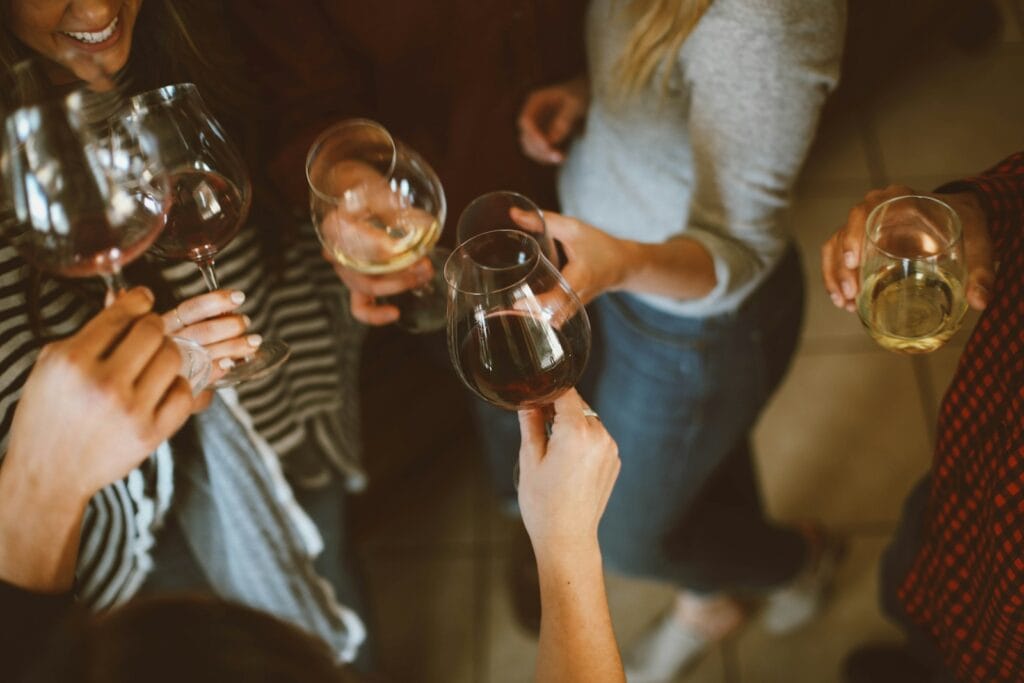
Wine Morocco: 7 Hidden Gems to Discover Learn More Beyond the Mint Tea: Unveiling Morocco’s Unexpected Wine and Beer Scene Can you buy alcohol in Morocco? For many travelers, this question is a common one, fueled by the country’s identity as a deeply rooted Muslim nation. The misconception is understandable: Islam considers alcohol haram (forbidden), and public displays of drinking are rare. But beneath this surface, Morocco offers a surprising, diverse, and flourishing alcohol market, particularly for enthusiasts of Morocco wine and local beers. This guide will demystify the topic, offering a comprehensive look at the availability, cultural nuances, and best recommendations for enjoying a drink in Morocco. We’ll explore the thriving wine Morocco industry—a fact that astonishes many visitors—and give you the insider scoop on everything from where to buy alcohol to what to order at a rooftop bar in Marrakech. You’ll discover that Morocco is, in fact, the second-largest wine-producing country in the Arab world, a testament to its long and evolving viticultural history. Navigating Alcohol in Morocco: Legality, Culture & Where to Buy Morocco’s approach to alcohol is a fascinating blend of tradition and modernity, tourism and local custom. Understanding this landscape is key to a respectful and enjoyable experience. The Cultural & Legal Landscape While alcohol is readily available, it is not a part of everyday life for most Moroccans. You won’t see it served in casual local cafes or at family meals. This is an important distinction. Drinking in public—on the street, in a park, or even on an outside cafe terrace—is strictly forbidden and can lead to legal trouble. The proper and respectful way to enjoy a drink is in a private setting, whether it’s the privacy of your riad’s rooftop terrace or a licensed establishment. Despite these regulations, Moroccans are, for the most part, friendly and tolerant, especially towards foreign visitors. They understand that drinking is part of many Western cultures. However, being drunk in public is seen as a major sign of disrespect and can make you vulnerable to safety risks. Always be aware of local laws and cultural norms. Where to Purchase Alcohol in Morocco Finding alcohol is easier than you might think in major cities and tourist areas. The trick is knowing where to look. Supermarkets: Large supermarkets like Carrefour are your best bet. Look for a “Cave a Vin” section, which is often discreetly located in the back of the store, sometimes behind a separate door. Here, you’ll find a wide selection of local and imported wines, beers, and spirits. Dedicated Liquor Stores: Cities like Agadir and Marrakech have specific liquor stores, such as “Champion” or “Victoria.” These stores are often a bit hidden, with windows obscured to be less conspicuous. They offer a much wider selection than supermarkets, including both local and international brands, and are the best places to go if you are looking for a specific label. Specific City Tips: Agadir: Known for being particularly laid-back, Agadir has numerous private “Drink” shops and a very well-stocked Carrefour. Many cafes and restaurants here also serve beer and wine at more reasonable prices than in other cities. Marrakech: Rooftop bars are the quintessential way to enjoy a drink in Marrakech. Places like La Pergola offer a beautiful, private, and relaxed atmosphere to sip a cocktail while enjoying the stunning views of the city. Cost Considerations: Imported alcohol is heavily taxed and can be expensive. For the best value, stick to locally produced drinks. A bottle of quality wine Morocco or a cold local beer is an affordable and authentic choice. A valuable tip for travelers: If you prefer specific spirits, it’s often more economical and convenient to bring your own from a duty-free shop at the airport. This ensures you have your favorite brand without the high cost. Discover more in our Morocco Travel Guide read more Moroccan Beer: Popular Brands & What to Expect While the spotlight is often on wine Morocco, the country also has a respectable and popular beer scene. The majority of beers are pale lagers, perfect for the warm climate. Top Moroccan Beer Brands Flag Spéciale (Pilsner): The undisputed best-seller since 1973. This is the go-to beer for many locals and tourists. It’s a crisp and refreshing pilsner, available in various sizes from small 24cl bottles to 50cl cans. Casablanca Beer (Pale Lager 5%): Originally brewed for export, Casablanca has become a popular domestic choice. It has a slightly sweeter taste and comes in an elegant, distinctive bottle, making it a great option to take as a gift. Flag Spéciale Gold: A yellow-labeled version of Flag Spéciale, offering a bit more flavor and a richer character. It’s a favorite during the hot summer months. Stork Premiere (Pale Lager 4.7%): This is typically the cheapest local beer and is most often found in budget bars. While less flavorful, it gets the job done for a traveler on a tight budget. Alcohol-Free Beer Options: Yes, they exist! You can find alcohol-free options in large supermarkets, though they often lean toward flavored varieties. For a better selection of options like Estrella alcohol-free, head to a dedicated liquor store like Champion or Victoria. Moroccan Wine: A Flourishing Industry & Unique Discoveries The most surprising and rewarding part of Morocco’s drinking scene is undoubtedly its Moroccan wine industry. With a history stretching back millennia, modern wine Morocco is a true delight for the discerning palate. A Rich Winemaking History & Revival Wine production in the region dates back to the Phoenician settlers and was well-established by the time of the Roman Empire, as evidenced by archaeological finds at Volubilis. However, the modern industry was truly shaped by the French Protectorate (1912-1956), which established extensive vineyards, particularly in the Meknes region. The industry declined after independence as the French vintners left, but a remarkable revival was spearheaded by King Hassan II in the 1990s. This initiative attracted significant foreign investment and expertise, largely from France, and transformed Moroccan winemaking. Today, the country’s climate, with its high-altitude vineyards in the
Rabat to Chefchaouen: 7 Easy Ways to Go
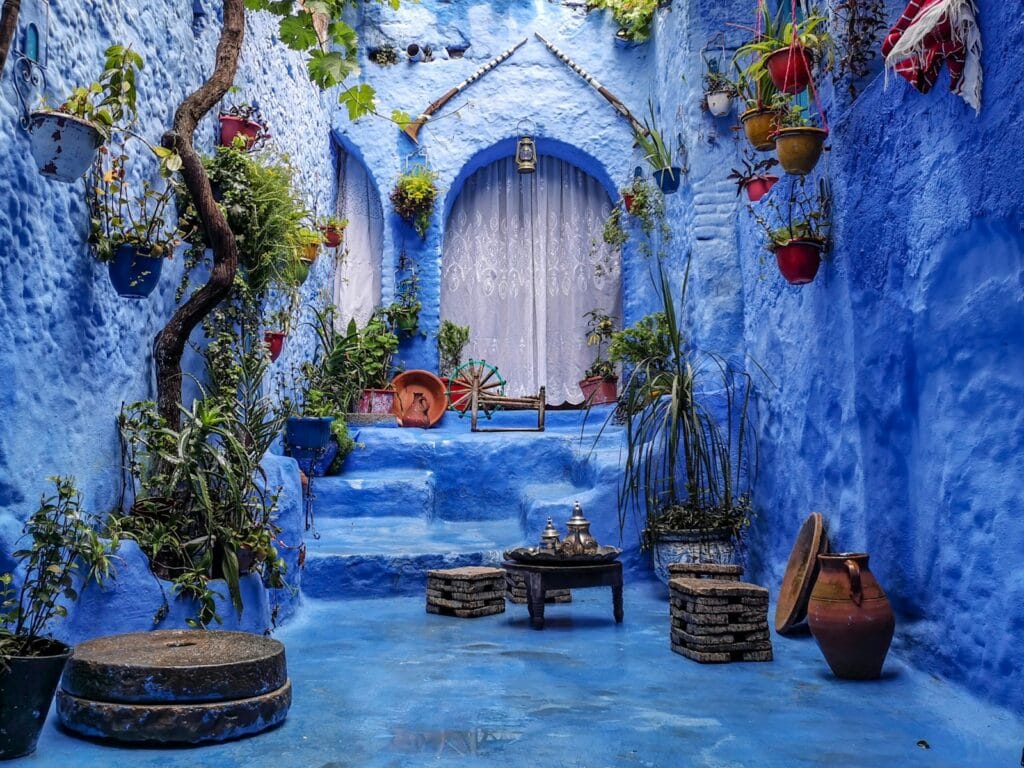
Chefchaouen Morocco: 7 Easy Ways to Go Learn More Rabat to Chefchaouen So, you’re thinking about heading to Chefchaouen, huh? Well, let me tell you, it’s a total must-see. Tucked away in the mountains, this place is literally a sea of blue. It’s so calming and beautiful, a complete escape from the craziness of other Moroccan cities like Marrakech. Everything—from the streets to the doors—is painted in these gorgeous shades of blue. It’s a photographer’s dream and just a super chill place to hang out. This little guide is basically my rundown for a trip there. We’ll cover everything you need to know, from how to get there and what to do, to where to eat and what to wear. Especially if you’re coming from the capital, I’ll walk you through how to make that chefchaouen morocco journey a breeze. Trust me, you’re going to love this city. So, Why is Chefchaouen So Freaking Blue? When you first get there Chefchaouen Morocco, you’ll be blown away by all the blue. It’s everywhere! But why? Turns out, there are a few ideas floating around. Jewish History: One of the most popular theories is that Jewish refugees who settled here in the 1930s brought the tradition with them. For them, blue symbolizes heaven and a spiritual life. Pretty cool, right? Bug Repellent: Some locals will tell you it helps keep mosquitoes away. Hey, if it works, it works! Supernatural Stuff: A few people believe it keeps bad spirits away. I mean, who knows, but it adds to the mystique! Just Because: The simplest reason? It looks good! A lot of people just think it’s beautiful and makes the city feel clean and fresh. Beyond the color, the vibe here is just so relaxed. Unlike the hustle and bustle of bigger cities, Chefchaouen has this wonderfully laid-back mountain feel. It’s the perfect spot to just unwind and breathe. Plus, being surrounded by the stunning Rif Mountains is a definite bonus. Discover more in our Morocco Travel Guide read more Planning Your Trip: Chefchaouen Morocco The Lowdown Before you go, here are a few quick tips to help you out. Best Time to Go: I’d say spring (March-May) or fall (Sept-Nov) is your best bet. The weather is awesome, and it’s not crazy crowded. Summer is hot and packed, especially with locals trying to escape the heat. Winter is quieter but can be chilly and rainy. Just remember that during Ramadan, some places might have weird hours. How Long to Stay?: You can totally do a quick Chefchaouen Morocco day trip from a nearby city like Tangier, but you’ll be rushing. I’d recommend spending at least two to three days. It gives you time to really explore, relax, and maybe even take a day trip. Is It Safe?: Yes, it’s one of the safest cities in Morocco, for everyone—even solo female travelers. People are super friendly here. Just be smart, like you would anywhere else. Dress a bit more conservatively and be aware of your surroundings, especially at night. Cash & Haggling: You can’t get Moroccan Dirhams (MAD) outside the country, so you’ll need to exchange money at the airport or just use an ATM. And when you’re shopping in the souks, remember to haggle! It’s part of the fun. Language: Most tourist spots will have people who speak English, but knowing a few Arabic or French phrases like “thank you” (shukran) will go a long way. Chefchaouen Morocco: The Blue Pearl (Beyond the Photogenic Streets) Why You’ll Love It: Nestled in the Rif Mountains, Chefchaouen’s blue-washed buildings create a dreamlike, ethereal atmosphere that has captivated travelers worldwide. The iconic blue color, dating back to the 15th century, symbolizes the sky and heaven. Distinctive Features: Photogenic blue streets: Every corner offers a picturesque scene, perfect for photography and creating a truly unique ambiance. Peaceful mountain atmosphere: Significantly more relaxed than the larger cities, offering a welcome respite. Spanish Mosque viewpoint: Hike up to this mosque for spectacular panoramic views, especially at sunset. Insider Tip & Nuance: Visit the streets early morning or late afternoon for the best light for photography and fewer crowds. While Chefchaouen Morocco is undeniably photogenic, its charm extends beyond its aesthetic appeal. Seek out its cultural riches like the Kasbah Museum or Ethnographic Museum, and observe traditional daily life at Ras El Ma natural spring. Be aware that excessive exposition of cultural artifacts can make it feel like a large market; look for opportunities to connect with the local culture beyond just shopping. Ideal Stay: At least one night, or up to two, to truly savor the slow pace and explore the surrounding nature. Getting There Chefchaouen Morocco: The Transportation Scoop Here’s a heads-up: Chefchaouen doesn’t have an airport or a train station. You’ll need to get there by bus or car, which honestly just makes it feel more special. Getting to Chefchaouen from… Rabat: A Rabat to Chefchaouen day trip is possible, but it’ll be a long day of travel. I’d suggest staying the night. A private car is the fastest way, about 3-4 hours, and costs around $60. The bus is cheaper but takes longer, about 5-8 hours. Fes: A private car takes about 3.5 hours for around $12 per person. The bus is a good option too, taking about 4.5 hours. Tangier: This is the easiest trip. A private car is only 2-2.5 hours and about $9 per person. The bus takes a little longer, around 2 hours and 45 minutes. Marrakech: This is the longest trip, so a Rabat to Chefchaouen day trip is way more realistic than one from Marrakech! The bus is a super long haul (like 12 hours!), so I’d recommend a train or flight to Fes first, then catching a car or bus from there. Getting Around Chefchaouen The best way to get around is to walk! The medina is car-free, so just wander and get lost. It’s the whole point, really. If you have a car, you’ll need to park
how far is casablanca from marrakech
marrakech casablanca distance Understanding the Marrakech Casablanca distance is essential when planning travel between Morocco’s two most important cities. Whether you’re arriving in Casablanca and heading to Marrakech, or returning north for an international flight, knowing the exact distance, travel time, and best transportation options helps you plan efficiently and avoid unnecessary delays. Marrakech is Morocco’s cultural heart, famous for its medina, souks, and historic landmarks, while Casablanca is the country’s economic capital and main international gateway. Because most itineraries include both cities, travelers frequently ask how far apart they are and what the smartest way to travel is. This guide focuses purely on distance, travel logistics, time, and planning tips. You’ll learn the real road distance, compare transport options, understand costs and duration, and choose the option that best fits your itinerary. Marrakech Casablanca Distance Explained The Marrakech Casablanca distance by road is approximately 240 to 250 kilometers (149–155 miles) depending on your exact starting and ending points within each city. This distance is calculated using Morocco’s modern highway network, which connects the two cities directly. The straight-line (air) distance between Marrakech and Casablanca is about 220 kilometers (137 miles). While this number is sometimes quoted, travelers should always plan using road distance, as it reflects real travel time and conditions. From a planning perspective, the distance is short enough to travel comfortably in a single day, making it one of the easiest long-distance routes in Morocco. Plan Your Perfect Moroccan Adventure check our tours Travel Time Between Marrakech and Casablanca The time it takes to cover the Marrakech Casablanca distance depends on your mode of transport: Train: 2.5–3 hours Car or private transfer: 2.5–3 hours Bus: 3–4 hours Flight (total journey time): 4–6 hours Traffic entering Casablanca can increase travel time, especially during rush hours. Early morning departures are usually the fastest and most reliable. Traveling by Train from Marrakech to Casablanca Traveling by train is the most popular and efficient way to cover the Marrakech Casablanca distance. Morocco’s national railway (ONCF) operates frequent direct trains between the two cities. Train Duration and Comfort The journey takes around 2.5 to 3 hours, with both first-class and second-class seating available. First class offers more space, assigned seating, and a quieter environment, making it ideal for travelers with luggage. Who Should Choose the Train? Solo travelers and couples Travelers connecting to Casablanca airport Anyone seeking reliability and comfort For most travelers, the train is the best balance of speed, cost, and convenience. Plan Your Perfect Moroccan Adventure: Dive into Our Guide read more Driving the Marrakech Casablanca Distance by Car typically takes 2.5 to 3 hours under normal conditions. Pros of Driving Flexible departure times Door-to-door travel Ideal for families or groups Cons of Driving Toll and fuel costs Traffic near Casablanca Parking challenges in city centers Driving is best suited for travelers continuing beyond Casablanca or those who value flexibility over simplicity. Private Transfer Between Marrakech and Casablanca A private transfer follows the same Marrakech Casablanca distance but offers maximum comfort. You’ll be picked up directly from your accommodation and dropped off at your destination without stops. This option is ideal for: Families with children Groups of 3–6 travelers Travelers on tight schedules When costs are shared, private transfers often become surprisingly affordable. Traveling by Bus Between Marrakech and Casablanca Buses are the most budget-friendly option for covering the Marrakech Casablanca distance. The journey usually takes 3 to 4 hours, depending on traffic and stops. Buses are best for travelers who: Are traveling on a tight budget Have flexible schedules Don’t mind longer travel times While affordable, buses offer less comfort and flexibility than trains or private transfers. Flying Between Marrakech and Casablanca Although the flight distance is short, flying is rarely the fastest option. When you factor in airport transfers, security, and waiting time, total travel time often exceeds 4 to 6 hours. Flying only makes sense if: You are already at the airport You are connecting to an international flight For most travelers, land transportation is more efficient. Marrakech Casablanca Distance: Transport Comparison Transport Option Travel Time Comfort Best For Train 2.5–3 hours High Most travelers Car 2.5–3 hours Medium Flexible itineraries Private Transfer 2.5–3 hours Very High Families & groups Bus 3–4 hours Low Budget travelers Flight 4–6 hours Medium Airport connections Planning Tips for Travelers Travel early in the morning to avoid Casablanca traffic Choose first-class train seats for luggage space Allow buffer time if connecting to flights Avoid peak holiday travel when possible These small planning choices make a big difference when traveling the Marrakech Casablanca distance. Quick Takeaways The Marrakech Casablanca distance is about 240–250 km Train travel is the fastest and most reliable option Driving takes around 3 hours via the A7 motorway Flights are rarely time-efficient Private transfers offer the most comfort Traffic near Casablanca can affect arrival times Conclusion The Marrakech Casablanca distance is short enough to travel easily yet long enough to require smart planning. With several reliable transportation options available, travelers can choose based on comfort, budget, and schedule. For most people, the train remains the best choice thanks to its speed and reliability, while private transfers offer unmatched convenience for families and groups. By understanding the distance, travel time, and real-world logistics, you can plan your journey confidently and move smoothly between Marrakech and Casablanca without stress. faq Frequently Asked Questions (FAQs) – For Quick Answers How far is Marrakech from Casablanca? Approximately 240–250 kilometers by road. How long does the train take from Marrakech to Casablanca? Around 2.5 to 3 hours. Is driving from Marrakech to Casablanca easy? Yes, the highway is modern and well maintained. Is flying faster than the train? No, flights usually take longer overall. What is the cheapest way to travel? The bus is usually the most affordable option.