
Casablanca Vacation Packages: Ultimate Guide
Is the Tangier American Legation Museum worth visiting? Casablanca Vacation Packages: Ultimate Guide Casablanca vacation packages offer travelers an exciting gateway to Morocco’s vibrant coastal city, blending modern luxury with rich cultural heritage. Whether you’re dreaming of iconic mosques, bustling markets, or beachside relaxation, these packages make planning effortless. Full Morocco Guide Why Choose Casablanca? Casablanca, Morocco’s largest city, captivates with its mix of Art Deco architecture, Atlantic beaches, and cinematic fame from the classic film Casablanca. Unlike Marrakech’s desert vibes, Casa delivers urban energy with seaside charm, ideal for first-time Morocco visitors. Vacation packages here bundle flights, hotels, and tours, saving up to 100% on flights via sites like Expedia and Kayak. Travelers love the value: budget deals start at $157 for flight + hotel, while luxury options hit $400+ per night for 5-star stays. A unique insight? As a business hub, Casablanca offers off-the-beaten-path experiences like rooftop jazz bars overlooking the port, rarely highlighted in standard guides perfect for cultural immersion beyond tourist traps. Packages cater to all: families snag $293 deals, romantics $420, and adventurers day trips to the Rif Mountains. With mild weather year-round, it’s a smart pick for spontaneous getaways. Naturally incorporating Casablanca family vacation packages, these deals ensure hassle-free exploration of this economic powerhouse on Africa’s edge. Best Time to Visit Casablanca Timing your Casablanca vacation packages maximizes enjoyment and savings. Spring (March-May) and fall (September-November) shine with temps 66-79°F, low crowds, and hotel rates dipping 20-30% August averages $127/night versus December’s $192. Summer (June-August) brings beach weather but higher humidity; winter offers cultural festivals like the Casablanca Festival in spring. Avoid Ramadan for vibrant souks, though many spots stay open. Data from Kayak shows Sunday nights cheapest at $149, Tuesdays priciest at $166. best time for Casablanca holiday packages For best time for Casablanca holiday packages, aim for shoulder seasons fewer tourists mean better deals on all-inclusive resorts. Unique perspective: Pair visits with nearby whale-watching in winter (November-March), an eco-adventure locals cherish but packages often overlook, spotting migratory humpbacks off the coast. Packages from Europe start at £299 via loveholidays, including flights from major hubs. Book 3-6 months ahead for peak savings. Top Attractions in casablanca Dive into Casablanca’s highlights with Casablanca vacation packages that include guided access. The Hassan II Mosque, world’s second-largest, stuns with its oceanfront perch, 200m minaret lasering toward Mecca, and retractable roof non-Muslims enter via tours ($15-20). Explore the Old Medina’s labyrinthine alleys for spices and crafts, then United Nations Square bridging old-new divides. La Corniche beach promenade buzzes with cafes; Morocco Mall boasts Africa’s largest aquarium. TripAdvisor rates mosque tours 4.9/5. LSI terms: Hassan II Mosque tours, Casablanca medina shopping. Unique insight: Venture to the Clock Tower at dusk for panoramic views rivaling Rick’s Café (a film-inspired spot serving live music), blending nostalgia with authentic tagine dinners—packages bundle these for $50/day. Viator lists 15 must-dos, from camel rides to souk haggling. Booking Your casablanca Package Casablanca vacation packages abound on Kayak ($157+), Expedia ($724+), and Travelocity, bundling flights from US/Europe. Filter for freebies like Wi-Fi, breakfast, or shuttles—top deals: 3-nights at Stayhere Oasis for $319. Compare family ($293), romantic ($420), luxury ($394). TourRadar offers Morocco extensions from Casablanca, like 7-day Marrakech loops. Pro tip: Use ATOL-protected sites like loveholidays for £299 from UK. Affordable Casablanca vacation packages from USA. Unique angle: Opt for hybrid packages with high-speed trains to Marrakech (2.5 hours, $30), slashing multi-city costs by 40% versus flying sustainable and scenic Luxury Casablanca vacation packages Elevate with luxury Casablanca vacation packages at Le Palace d’Anfa ($369/3-nights) or 5-stars averaging $250/night. Features: spas, ocean views, private tours. Luxury all-inclusive vacations Grand Casablanca via Expedia. Unique: VIP mosque access and yacht charters along Corniche, unseen in budget guides. budget Casablanca vacation packages Score budget Casablanca vacation packages from $255, like 3-star at $134. Booking.com lists from $43/night. Cheap Casablanca holiday deals in August ($127 avg). Unique: Street-food crawls pair with hostels for under $100/day total Casablanca family vacation packages Casablanca family vacation packages at $293 include kid-safe beaches, mall aquariums. Add camel rides. Romantic Casablanca vacation packages Romantic Casablanca vacation packages ($420) feature sunset mosque views, wine tours. casablanca Day Trips and Tours From Casablanca vacation packages, day to Marrakech ($80 train+tour). Viator’s Urban Adventures: medina walks. Regional Variations and Practical Uses In desert regions, longer wraps or scarves can help protect against sand and sun. Each region includes stylistic nuances influenced by Amazigh craft traditions and climate needs. Key Takeaways Casablanca vacation packages start at $157, best in shoulder seasons for savings. Must-see: Hassan II Mosque, Old Medina, Corniche beaches. Families/romantics: Tailored deals from $293/$420. Book via Kayak/Expedia for bundles; add day trips to Marrakech. Unique: Train hacks cut multi-city costs 40%; whale-watching in winter. Average hotel $163/night; Sundays cheapest. Conclusion Casablanca vacation packages unlock Morocco’s modern marvel, from the majestic Hassan II Mosque to vibrant medinas and Atlantic shores, all at unbeatable prices starting $157. We’ve covered optimal timing (spring/fall), luxury/budget picks, family fun, and insider tips like scenic train extensions ensuring your trip blends culture, cuisine, and coast seamlessly. Travelers save big bundling via Kayak or Expedia, with shoulder seasons slashing rates 20-30%. Don’t miss this coastal gem; its unique fusion of French-colonial charm and Islamic splendor sets it apart. Ready to book? Search Casablanca vacation packages now on trusted sites, grab a mint tea, and dive in your adventure awaits! Frequently Asked Questions What are the best Casablanca vacation packages for 2026? Kayak/Expedia deals from $157 include flights+hotels; luxury at $394. When is the cheapest time for Casablanca holiday packages? August hotels $127/night; shoulder seasons best overall. Are there family Casablanca vacation packages? Yes, $293 bundles with beach/mall access.
American Legation Museum
American Legation Museum: Tangier’s Hidden Gem The American Legation Museum in Tangier stands as a remarkable testament to early U.S.-Morocco relations, drawing travelers eager for authentic cultural immersion. Nestled in the medina, this historic site offers a blend of diplomacy, art, and intrigue that captivates history buffs and casual visitors alike. Full Morocco Guide History of the American Legation Museum The American Legation’s story begins in 1777 when Morocco became the first nation to recognize U.S. independence, predating the Treaty of Peace and Friendship in 1786. Sultan Moulay Sulaiman gifted the property in 1821 to solidify ties, making it the U.S.’s inaugural diplomatic outpost abroad. This site served as a consulate and legation for over 140 years, outlasting any other U.S. mission. During Tangier’s international zone era (1923-1956), it became a neutral haven amid European colonial chaos. Picture American diplomats navigating Spanish, French, and British influences Tangier American Legation Museum history reveals covert operations, including WWII intelligence gathering against Nazis. What sets it apart? Unlike typical embassies, it hosted quirky residents like “Atlas Lions” in the 19th century, symbolizing Morocco’s wild hinterlands. Today, managed by the Tangier American Legation Institute for Moroccan Studies (TALIM), it preserves this legacy with a research library boasting 20,000+ volumes on North Africa. A unique insight: its endurance through Morocco’s independence in 1956 highlights enduring U.S.-Morocco bonds, often overlooked in favor of flashier tales. For travelers, this context transforms a simple tour into a geopolitical adventure. American Legation Museum architecture American Legation Museum architecture fascinates with hybrid styles: Moroccan arches frame American eagle motifs. A lesser-known gem? Hidden basement vaults once stored classified docs during the Cold War. This fusion offers a fresh perspective it’s not just preservation but a living dialogue between cultures, ideal for architecture enthusiasts plotting Tangier medina walking tours. Pro tip: Visit early to catch the light dancing on tiles. Wander the Legation’s sun-drenched courtyards, and you’ll see classic Moroccan riads meet Andalusian influences whitewashed walls, zellij tilework, and cedarwood doors carved with geometric patterns. The main building spans six floors, with spacious patios offering medina views. Key features include the majestic staircase linking public and private quarters, echoing diplomatic grandeur. Restored in the 1970s, it retains original frescoes depicting maritime motifs, nodding to pirate-fighting treaties. Travelers love the rooftop terrace for panoramic Tangier vistas, perfect for sunset photos. The “Moroccan Mona Lisa” and Artistic Treasures One of the primary draws for visitors is the museum’s world-class art collection. The galleries are filled with works that capture the “Light of Tangier” that elusive, brilliant glow that has attracted painters for centuries. The crowning jewel of the collection is James McBey’s “Zohra.” Often called the “Moroccan Mona Lisa,” this portrait of a servant girl has a hypnotic quality, with eyes that seem to follow you across the room. McBey, a Scottish etcher who made Tangier his home, managed to capture a sense of mystery and dignity that perfectly encapsulates the city’s spirit. Other highlights include: Marguerite McBey’s Watercolors: Delicate depictions of 20th-century Tangier. The McBey Dining Room: A formal space that retains its original diplomatic furniture, including chairs of noble woods and glittering chandeliers. Visit American Legation Museum Open Tuesday-Sunday, 10 AM-5 PM (closed Mondays), entry is a steal at 20 MAD (~$2 USD). Guided tours (free with admission) run hourly in English/French/Arabic—book ahead via TALIM’s site. Accessibility? Narrow stairs challenge mobility, but ground-floor highlights suit all. Pro traveler tip: Pair with nearby Kasbah Museum for a full day. Long-tail gem: ” American Legation Museum opening hours 2026” align perfectly for post-ferry arrivals. Safety is top-notch in the medina patrol zone. (Word count: 340) A detailed illustration of the American Legation’s riad courtyard with zellij tiles, cedar arches, and a central fountain under a blue Moroccan sky. Alt text: American Legation Museum courtyard architecture in Tangier medina for travelers. The Paul Bowles Wing: A Literary Sanctuary For many, the American Legation Museum is synonymous with the writer Paul Bowles. The author of The Sheltering Sky lived in Tangier for over five decades, becoming the center of a bohemian circle that included Jack Kerouac and William S. Burroughs. The Paul Bowles Wing is a deeply personal tribute. It houses: Original Manuscripts: Drafts of his novels and musical scores. Personal Artifacts: His typewriter, luggage, and the indigenous musical instruments he collected while traveling across the Moroccan Sahara. Photographic Archives: Rare images of Bowles and his wife, Jane, documenting the “Interzone” years of Tangier’s international era. Conclusion From its 1821 origins as a diplomatic gift to today’s thriving museum, the American Legation Museum encapsulates Tangier’s soul where East meets West in tiled courtyards and spy tales. We’ve explored its architecture, exhibits, and ties to broader Morocco adventures, arming you with tips for an unforgettable visit. This gem isn’t just history; it’s a bridge for modern travelers seeking authentic connections amid medina chaos. As you plan your Morocco itinerary, prioritize this under-the-radar spot its insights into enduring alliances add depth to any trip. Book your ticket today via TALIM, grab a tajine nearby, and dive in. What’s your next Tangier must-do? Share in comments your stories inspire fellow explorers! Frequently Asked Questions In Moroccan cities, headscarves can be fashion statements influenced by global trends. Younger women may blend modest dress with modern aesthetics, reflecting broader cultural dialogues about identity. This dynamic interplay is part of Morocco’s evolving cultural landscape. What are the American Legation Museum hours in 2026? Tuesday-Sunday, 10 AM-5 PM; confirm via TALIM for holidays. Great for Tangier morning tours. Is the Tangier American Legation Museum worth visiting? Absolutely 4.4/5 TripAdvisor stars for history buffs. Ties to Morocco U.S. diplomacy shine. How to get to American Legation Museum from airport? 40-min taxi (150 MAD); or train + walk. Perfect Tangier medina access. Any events at American Legation Museum Tangier? Lectures, exhibits check site for cultural events Tangier 2026.
HEADSCARF IN MOROCCO
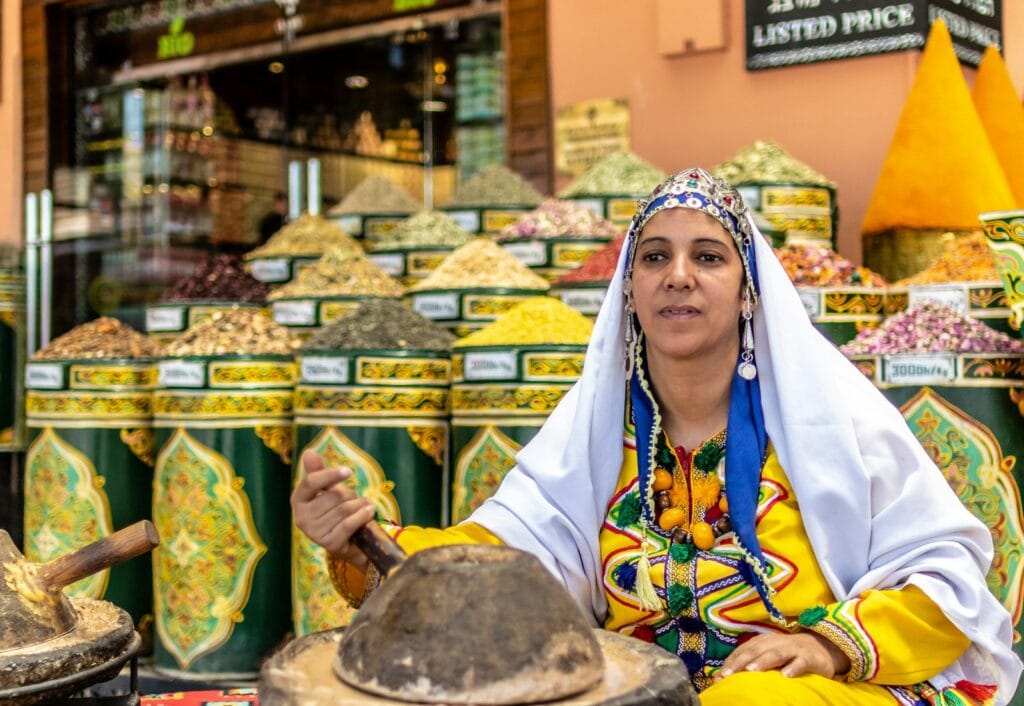
Headscarf in Morocco: A 2026 Guide to Local Customs & Etiquette Headscarf in Morocco norms, etiquette, styles & what visitors need to know Full Morocco Guide headscarf in morocco: Moroccan Cultural Context Morocco’s cultural fabric blends Islamic tradition, Amazigh (Berber) heritage, and modern influences. As a majority-Muslim nation, religious values around modesty influence dress norms yet they are not legally mandated for all women. Moroccan women choose headscarves based on personal religious conviction, social context, and regional tradition, rather than legal requirement. Islam and Modesty in Moroccan Society Modesty is a central concept in Moroccan culture, rooted in Islam but expressed through a range of practices. Many Moroccan women wear a hijab or headscarf as an expression of faith. However, this is highly variable: in urban centers such as Casablanca, Rabat, and Marrakech you’ll see many women without headscarves, while in rural areas and smaller towns veiling is more common. Morocco’s societal approach to head coverings is one of freedom of choice women are neither legally required to wear them nor legally forbidden from doing so. Urban vs. Rural Dress Norms In big cities, Western fashion and modern styles are widespread. Women in major urban areas often dress similarly to Western norms, and casual attire such as trousers and tops is common. However, modesty remains appreciated, especially in public spaces outside of tourist districts. By contrast, rural villages and smaller towns tend to adhere to more conservative traditions. If you travel into the High Atlas, Rif Mountains, or less visited regions, you’ll notice more traditional dress including headscarves worn by local women. Legal Status of Headscarves in Morocco Unlike some countries in the region, Morocco does not legally enforce head covering for women. Wearing a headscarf is not compulsory by law and foreign visitors are free to dress as they choose. However, certain types of burqas (e.g., Afghan style) are banned from sale and marketing due to security laws. Is the headscarf in morocco Compulsory for Visitors? National Norms vs. Religious Sites For tourists, the answer is straightforward: you do not have to wear a headscarf in Morocco. Female visitors are not required to veil in public areas or day-to-day life. However, when entering mosques or religious shrines, covering your head (and dressing modestly overall) is highly recommended and sometimes required by local custom. Many travelers carry a lightweight scarf for this purpose. What Locals Wear Today Moroccan women’s choices vary: from no head covering at all, to hijab styles influenced by global fashion, to traditional veils in conservative communities. This diversity reflects Morocco’s cultural mix religion, regional tradition, and personal identity all play a role. Misconceptions Among Tourists It’s a common myth that foreign women must wear a headscarf to avoid disrespect. While modest dressing is courteous, a headscarf is not compulsory outside of specific religious context, and many travelers visit comfortably without one. When You Might Choose to Wear a Headscarf in Morocco Visiting Mosques and Shrines If you plan to enter a mosque or religious compound particularly those that welcome non-Muslims like Hassan II Mosque in Casablanca it’s respectful to cover your hair, shoulders, and legs. Carrying a small scarf in your daypack can be a practical solution. Rural and Conservative Areas In villages and traditional areas where headscarves are part of everyday local attire, wearing one can help you blend in and show respect for local customs. It signals cultural awareness and sensitivity. During Religious Holidays During Eid celebrations or Ramadan evenings, some travelers choose to adopt more modest attire including headscarves when visiting family gatherings or public festivities. This is not required but can reflect respect for host traditions. Family Visits and Cultural Ceremonies If you are invited into a Moroccan home for dinner or special events, covering your shoulders and carrying a scarf is often appreciated and helps avoid inadvertent cultural faux pas. Types of headscarf in morocco and Styles Hijab The hijab generally refers to a headscarf covering hair and neck while leaving the face visible. It’s the most commonly recognized style and widely worn across Morocco. Shayla & Khmiss Shayla: A long rectangular scarf that wraps around the head; popular for its versatility. Khmiss: A regional, traditionally vibrant scarf that may signify local identity and fashion trends. Regional Variations and Practical Uses In desert regions, longer wraps or scarves can help protect against sand and sun. Each region includes stylistic nuances influenced by Amazigh craft traditions and climate needs. Etiquette: How to Wear headscarf in morocco Respectfully Practical Tips for Travelers Choose lightweight scarves for hot weather. Keep them in your bag for mosque visits or spontaneous cultural events. Observe local styles before adopting them — imitation is best when paired with respect. Common Mistakes to Avoid Wearing a headscarf as a fashion accessory while ignoring modesty elsewhere (can be seen as disrespectful). Assuming behavior in tourist resorts applies countrywide rural areas often observe stricter norms. Verbal & Physical Respect in Religious Places in Morocco Before entering mosques, always ask for permission. Speak softly and remove shoes when required. Respectful dress enhances your experience and shows appreciation for sacred spaces. Secure Your Moroccan Adventure Today! book your tour Dressing Modestly: Beyond the Headscarf in morocco Clothing Norms for Women in Morocco Women travelers are encouraged to dress modestly by covering shoulders, arms, and knees not only out of respect but also to reduce unwanted attention. Clothing Norms for Men in Morocco Men also benefit from modest dress norms long pants, shirts with sleeves, and respectful attire in religious and traditional settings show cultural sensitivity. Balancing Comfort & Respect in Morocco Packing loose, breathable fabrics helps manage Morocco’s warm climate while staying aligned with local expectations. Scarves, tunics, and maxi skirts are traveler favorites. Headscarf in Moroccan Pop Culture & Society in Morocco In Moroccan cities, headscarves can be fashion statements influenced by global trends. Younger women may blend modest dress with modern aesthetics, reflecting broader cultural dialogues about identity. This dynamic interplay is part of Morocco’s evolving cultural landscape. Quick Takeaways A
Hotels vs Riads in Morocco for Families
Hotels vs Riads in Morocco for Families: A Complete Guide Traveling to Morocco with children is an unforgettable experience—but choosing the right accommodation can make or break your family trip. One of the most common questions parents ask is Hotels vs Riads in Morocco for Families: which is better? Both options offer unique benefits, and the right choice depends on your children’s ages, travel style, and expectations for comfort, safety, and cultural immersion. Full Morocco Guide What Are Riads and Hotels in Morocco? What Is a Riad? A Riad is a traditional Moroccan house or palace built around a central courtyard, often featuring a fountain, plants, and open-air space. Most riads are located inside historic medinas (old cities) such as Marrakech, Fes, and Essaouira. For families, riads offer: A quieter, intimate atmosphere Personalized service from staff who often live on-site A culturally immersive experience However, riads usually have: Fewer rooms (often 5–10) Multiple staircases Limited child-specific facilities What Is a Hotel in Morocco? Hotel in Morocco range from small boutique properties to large international resorts and all-inclusive family hotels. They are typically located outside the medina or near major roads. Hotels usually provide: Elevators and wide hallways Swimming pools and kids’ areas Family suites and interconnected rooms Predictable services and facilities Understanding these structural differences is key when comparing Hotels vs Riads in Morocco for Families. Key Differences: Hotels vs Riads for Families Atmosphere and Experience Riads emphasize tranquility, tradition, and personal attention. Children often enjoy the courtyard, but energetic kids may feel restricted. Hotels offer more stimulation: pools, play areas, and open spaces where kids can move freely. Unique insight: Families who want cultural immersion during the day often prefer riads for short stays and hotels for longer relaxation periods. Location and Accessibility Riads: Located inside medinas—charming but harder to access with strollers. Hotels: Located near main roads or modern districts, easier for taxis and day trips. For families with toddlers or mobility concerns, hotels usually win in accessibility. Amenities for Children Hotels clearly dominate here: Kids’ pools Babysitting services Children’s menus Elevators and safety railings Riads may offer cribs and family rooms, but amenities vary widely. Safety Considerations for Families Riad Safety with Kids Riads are generally safe but require attention: Open courtyards may pose a risk for toddlers Staircases often lack railings Rooftop terraces may need supervision Parents should always request: Ground-floor rooms Stair gates (if available) Locked terrace access Hotel Safety Advantages Hotels are designed with international standards: Lifeguarded pools Child-proofed elevators 24/7 reception and security For peace of mind, many families feel more relaxed staying in hotels—especially with younger children. Space and Room Configurations Riads Family rooms or suites available in some riads Limited storage and play space Best for families with 1–2 children Hotels Family suites and adjoining rooms Extra beds and rollaway cribs Space for luggage, strollers, and downtime Hotels vs Riads in Morocco for Families becomes a space issue for longer stays. Pools, Entertainment, and Downtime Hotels Hotels shine when it comes to downtime: Large swimming pools Kids’ clubs and activities Evening entertainment Riads Small plunge pools (often decorative) Quiet environment Better for relaxation than play Unique insight: Families often book riads for city sightseeing and hotels for beach or desert relaxation. Secure Your Moroccan Adventure Today! book your tour Best Family-Friendly Riads in Morocco (Examples to look for—not promotions) Riads offering family suites Properties with enclosed courtyards Riads with flexible meal times Cities with family-friendly riads: Marrakech (medina edge) Fes (newer medina areas) Essaouira (calmer atmosphere) Best Hotels for Families in Morocco Look for: Resorts in Marrakech Palmeraie Beach hotels in Agadir and Essaouira Desert-edge hotels near Merzouga Key features: Kids’ clubs Pools Family meal plans Booking Tips for Families Always confirm room size in square meters Ask for photos of family rooms Request ground-floor rooms in riads Book early during school holidays Read reviews mentioning “kids” or “family stay” Are riads safe for families with kids? Yes, but supervision is essential, especially with toddlers due to stairs and courtyards. Do hotels in Morocco offer family rooms? Yes. Many hotels offer family suites or interconnected rooms. Are riads noisy for children? Riads are usually quiet, which can be good or limiting for active kids. Which is better for babies: hotels or riads? Hotels are generally better due to elevators, cribs, and accessibility. Can families combine both riads and hotels in one trip? Absolutely and this is often the best strategy.
Morocco World Cup 2026: A New Era for Soccer in Africa
Morocco World Cup 2026: A New Era for Soccer in Africa The selection of Morocco as a host country for the 2026 World Cup marks a significant milestone for soccer in Africa. This prestigious event is not just about the sport; it’s an opportunity to showcase Morocco’s rich culture, advanced infrastructure, and renowned hospitality to a global audience.Hosting the World Cup is expected to be a historic moment, both for Morocco and the African continent. It will bring together teams and fans from around the world, fostering a spirit of unity and competition. Key Takeaways The 2026 World Cup will be a landmark event for African soccer. Morocco’s hosting duties will highlight its cultural heritage and infrastructure. The event is anticipated to boost tourism and economic growth in Morocco. It will be an opportunity for cultural exchange between participating nations. The World Cup is expected to leave a lasting legacy on Moroccan sports infrastructure. The Significance of Morocco Hosting the 2026 World Cup As Morocco prepares to host the 2026 World Cup, the country is poised to make a lasting impact on the global soccer landscape. This event is not just a celebration of soccer; it’s a significant moment in the history of African sports.The selection of Morocco as a host nation is a testament to the country’s growing capabilities and its commitment to promoting soccer across the continent. With this honor, Morocco joins a prestigious group of host countries that have shaped the World Cup’s history. Historical Context of World Cup Hosts The FIFA World Cup has a rich history of being hosted by various countries, each leaving its unique mark on the tournament. From the inaugural 1930 World Cup in Uruguay to the most recent events, host nations have played a crucial role in shaping the identity and atmosphere of the competition.Previous African hosts have set a high standard, with South Africa hosting the 2010 World Cup being a notable example. Morocco’s turn to host the event signifies a continued shift towards showcasing African hospitality and soccer talent on a global stage. Impact on African Nations The 2026 World Cup in Morocco is expected to have a profound impact on African nations. It presents an opportunity for the continent to unify and celebrate its rich soccer culture. The event will likely inspire a new generation of soccer players and fans, promoting the development of the sport across Africa. Increased investment in soccer infrastructure Enhanced visibility for African soccer talent Promotion of cultural exchange through sports By hosting the World Cup, Morocco is not only putting its best foot forward but also paving the way for other African nations to participate and excel in future international soccer events. The Legacy of Hosting Morocco’s hosting of the 2026 World Cup is anticipated to leave a lasting legacy, both in terms of infrastructure and the promotion of soccer. The event is an opportunity for Morocco to demonstrate its capabilities as a host nation, potentially boosting tourism and economic growth.The legacy of hosting the World Cup will be multifaceted, including improved sports facilities, enhanced international reputation, and a stronger soccer culture within the country and across the region.In conclusion, Morocco’s hosting of the 2026 World Cup is a significant event that promises to bring numerous benefits to the country and the African continent. It is a moment of pride and an opportunity for growth, both in terms of soccer development and cultural exchange. Expectations for the Moroccan National Team The Moroccan national team is poised to make a statement at the 2026 World Cup, hosted on their home soil. With a rich soccer history and a passionate fan base, Morocco has the potential to be a formidable competitor in the tournament.The team’s success will largely depend on the performance of its key players. Players like Achraf Hakimi and Sofyan Amrabat have been making waves in international soccer with their impressive skills and game-changing abilities. Key Players to Watch Morocco’s squad is filled with talented individuals who have the potential to influence the outcome of matches. Some of the key players to watch include: Achraf Hakimi, known for his defensive prowess and attacking flair. Sofyan Amrabat, recognized for his exceptional midfield control. Youssef En-Nesyri, a clinical finisher with a knack for scoring crucial goals. As noted by former soccer star and analyst,“The likes of Hakimi and Amrabat are not just talented players, they are game-changers. Their ability to control the tempo of the game and create scoring opportunities will be crucial for Morocco’s success.” Coaching Strategies and Insights The coaching staff, led by Walid Regragui, has been working tirelessly to develop effective soccer strategies that play to the team’s strengths. Their approach includes: Emphasizing defensive solidity to prevent opposition from scoring. Utilizing quick transitions to catch opponents off guard. Fostering a positive team culture that encourages creativity and risk-taking. With a strong squad and effective coaching, Morocco’s national team is well-positioned to make a deep run in the 2026 World Cup. Infrastructure and Stadiums in Morocco The 2026 World Cup is set to bring a new era of soccer to Morocco, with extensive upgrades to its stadiums and infrastructure. This significant investment is not only enhancing the country’s sports facilities but also contributing to its economic development.As part of the preparations, several modern facilities are being upgraded to meet the international standards required for World Cup matches. Economic Impact of the World Cup in Morocco As Morocco prepares to host the 2026 World Cup, the country anticipates substantial economic benefits. The event is expected to draw millions of visitors, thereby boosting various sectors of the economy.Boosting Tourism and HospitalityThe tourism industry in Morocco is poised for a significant surge as the World Cup attracts fans from around the globe. According to a recent study, the influx of tourists is expected to increase by over 20% during the event, with many visitors likely to extend their stay beyond the tournament. This presents a lucrative opportunity for hotels, restaurants, and other hospitality services to
is moroccan food safe for children
Is Moroccan Food Safe for Children? When exploring the world of international cuisine, parents often wonder about the safety and suitability of different foods for their children. Moroccan cuisine, known for its rich flavors and diverse ingredients, can be a fascinating culinary journey. However, the question remains: can kids enjoy Moroccan dishes without any concerns?Understanding the safety of Moroccan cuisine for children is crucial, especially for families who love trying new foods. The cuisine’s unique blend of spices, herbs, and ingredients can be both exciting and intimidating. Let’s explore the aspects that make Moroccan food a potentially great option for kids, while also considering any potential risks. Key Takeaways Moroccan cuisine offers a variety of dishes that can be suitable for children. Understanding the ingredients and preparation methods is key to ensuring safety. Some Moroccan dishes are more kid-friendly than others. Cultural and culinary knowledge can help parents make informed decisions. Introducing kids to Moroccan cuisine can be a great way to broaden their palate. Moroccan Cuisine and Its Appeal The vibrant world of Moroccan cuisine is not just about exotic spices; it’s also about hearty dishes that families can enjoy together. Moroccan food is a rich tapestry of flavors, influenced by the country’s strategic position at the crossroads of Africa, Europe, and the Middle East. Overview of Moroccan Flavors Moroccan cuisine is characterized by its bold flavors, combining sweet, savory, and spicy notes. Key ingredients include cumin, coriander, cinnamon, and ginger, which add depth to various dishes. The use of fresh fruits and vegetables, along with nuts and seeds, contributes to the cuisine’s complexity and nutritional value.The blend of aromatic spices and the slow-cooking process involved in making tagines and stews creates a rich and satisfying flavor profile that is both appealing and comforting. Popular Moroccan Dishes for Kids Some Moroccan dishes are particularly kid-friendly, such as chicken tagine, a slow-cooked stew named after the clay pot in which it’s cooked. Other favorites include couscous with vegetables, grilled meats, and b’stilla, a savory pie filled with meat, onions, and spices.These dishes are not only delicious but also offer a fun and interactive dining experience, especially when served with traditional Moroccan bread. Nutritional Benefits of Moroccan Ingredients Moroccan cuisine is rich in nutrients, thanks to its emphasis on fresh ingredients, whole grains, and lean proteins. Legumes, such as lentils and chickpeas, are staples, providing protein and fiber. The use of olive oil adds healthy fats, while a variety of fruits and vegetables ensure a broad intake of vitamins and minerals.The nutritional benefits of Moroccan ingredients make it an excellent choice for families looking to introduce their children to healthy eating habits. Safety Considerations for Children As parents explore the world of Moroccan cuisine with their children, understanding the safety considerations is crucial. Moroccan food, known for its rich flavors and diverse ingredients, can be a healthy and exciting option for kids. However, it’s essential to be aware of the potential allergens and safe cooking practices to ensure a pleasant dining experience. Common Allergens in Moroccan Food Moroccan cuisine often includes ingredients that are common allergens, such as nuts, gluten, and dairy products. For instance, many traditional Moroccan dishes like tagines and pastries contain almonds or other nuts. It’s crucial for parents to be aware of these ingredients, especially if their child has a known allergy.Some common Moroccan dishes that may contain allergens include: Tagines with nuts or gluten-containing grains Pastries like baklava, which often contain nuts and dairy Couscous, which is made from wheat and contains gluten Moroccan Cooking Methods and Food Safety The way Moroccan food is cooked can significantly impact its safety for children. Traditional Moroccan cooking methods, such as slow cooking in tagines, can help retain nutrients and kill bacteria, making the food safer. However, it’s essential to ensure that meat and poultry are cooked to the appropriate internal temperature to avoid foodborne illnesses.Some key cooking practices to follow include: Ensuring all ingredients are fresh and stored properly Cooking meat and poultry to the recommended internal temperature Avoiding cross-contamination by using separate utensils and cutting boards for different ingredients Recommendations for First-Time Tasters For children trying Moroccan food for the first time, it’s a good idea to start with mild flavors and dishes that are less likely to cause allergic reactions. Some kid-friendly options include: Mild tagines made with chicken or vegetables Couscous with vegetables or mild sauces Moroccan-style grilled meats or skewers By introducing Moroccan food in a controlled and safe manner, parents can help their children enjoy the rich culinary heritage of Morocco while minimizing potential risks. Tips for Introducing Moroccan Food to Kids Introducing Moroccan food to kids can be a fun and rewarding experience with the right approach. By starting with mild flavors and involving kids in meal preparation, parents can help their children develop a love for this rich and diverse cuisine.Mild Flavors FirstBegin with dishes that have mild flavors, such as chicken tagine or vegetable couscous. These dishes are not only delicious but also gentle on young taste buds, making them perfect for first-time tasters.Involve Kids in CookingEngaging kids in meal prep is a great way to get them excited about trying new foods. Let them help with simple tasks like washing vegetables or mixing spices. This hands-on approach can make mealtime more enjoyable and interactive.Family-Friendly RecipesExplore family-friendly Moroccan recipes that are easy to make and fun to eat. Dishes like beef or vegetable skewers with couscous are great options. These recipes are not only tasty but also visually appealing, making them perfect for kids.By following these tips and introducing Moroccan food in a fun and engaging way, parents can help their kids develop a lifelong appreciation for this wonderful cuisine. Is Moroccan food generally spicy and will it be too hot for my kids to handle? Moroccan cuisine can be spicy, but it’s not always. Many dishes can be adjusted to suit children’s taste preferences. You can ask for mild versions or omit the spicy ingredients. Popular kid-friendly dishes
Andalusian Gardens Rabat
Andalusian Gardens Rabat The Andalusian Gardens in Rabat, Morocco, are a breathtaking example of Islamic architecture and landscaping, creating a serene oasis in the heart of the city.This beautiful destination is a must-visit for anyone traveling to Rabat, offering a perfect blend of lush greenery, intricate fountains, and architectural wonders that invite relaxation and exploration.As we explore the history and significance of these stunning gardens, you’ll understand why they are considered one of the top attractions in Rabat, making them an unforgettable experience.Key Takeaways Discover the serene beauty of the Andalusian Gardens Rabat Morocco. Explore the unique blend of Islamic architecture and landscaping. Learn about the history and cultural significance of the gardens. Find out why the gardens are a must-visit destination in Rabat. Experience the perfect spot for relaxation and exploration. Overview of the Andalusian Gardens in Rabat The Andalusian Gardens in Rabat are a masterpiece of Islamic architecture, reflecting the rich cultural heritage of Morocco. These gardens are not just a beautiful green space in the heart of the city; they are a historical and cultural landmark that attracts visitors from around the world. Historical Significance of the Gardens The Andalusian Gardens have a rich history that dates back to the Islamic period. They were designed to be a tranquil retreat, embodying the principles of Islamic garden design, which emphasizes harmony with nature and the creation of a peaceful atmosphere. The gardens’ historical significance is deeply rooted in their ability to preserve the traditional Islamic architectural styles while adapting to the local Moroccan culture.The gardens serve as a living testament to the cultural exchange and architectural innovation that characterized the Islamic Golden Age. Their design reflects the influence of various cultures, including Andalusian and Moorish styles, making them a unique cultural artifact. Architectural Features and Design The architectural features of the Andalusian Gardens are a testament to the ingenuity of Islamic architects. The gardens are designed with intricate patterns, soothing water features, and carefully selected flora, all of which contribute to a serene and contemplative atmosphere. The use of traditional materials such as zellij tiles, carved wood, and stucco adds to the gardens’ authenticity and beauty.The design of the gardens is characterized by the use of geometric patterns, calligraphy, and ornate decorations, which are hallmarks of Islamic architecture. The careful integration of natural elements, such as water and plants, creates a harmonious balance between the built environment and nature. The Cultural Influence of Andalusian Gardens The Andalusian Gardens in Rabat have had a profound cultural influence on the region. They have inspired art, literature, and architecture in Morocco and beyond. The gardens’ unique blend of Islamic and local Moroccan styles has contributed to the development of a distinct cultural identity.The gardens continue to be a source of inspiration for artists, writers, and architects, who come to experience their beauty and tranquility. The cultural significance of the Andalusian Gardens is further underscored by their role in preserving traditional craftsmanship and promoting cultural heritage. Flora and Fauna in the Andalusian Gardens Rabat As you stroll through the Andalusian Gardens, you’ll discover a fascinating mix of flora and fauna. The gardens are meticulously designed to showcase a wide range of native plant species and provide a haven for local wildlife. This blend of natural beauty and careful horticulture makes the gardens a unique spot in Rabat.Native Plant SpeciesThe Andalusian Gardens are home to a diverse collection of native plant species. These plants are carefully selected to thrive in the local climate, ensuring that the gardens remain vibrant throughout the year. Olive Trees: Symbolizing peace and prosperity, olive trees are a common sight in the gardens. Jasmine: Known for its fragrant flowers, jasmine adds a sensory delight to the gardens. Bougainvillea: This flowering vine is a staple in the gardens, providing vibrant colors.These plants, among others, contribute to the gardens’ lush landscape and are a testament to the rich botanical heritage of the region. The gardens are not just a feast for the eyes with their flora; they are also a haven for wildlife. Visitors can spot a variety of bird species, including robins, sparrows, and finches, as well as other small animals. Wildlife Spotting Opportunities Wildlife Season Tips for Spotting Robins Spring Look for them in the early morning near flowering shrubs. Sparrows Year-round They are often seen near food sources, such as bird feeders. Finches Autumn Finches are attracted to seed-bearing plants; look for them in areas with tall grasses. Visiting the Andalusian Gardens Rabat A visit to the serene Andalusian Gardens in Rabat requires some planning to ensure a memorable experience. The gardens, with their tranquil ambiance and beautiful flora, are a perfect escape from the bustling city life. Best Times to Visit the Andalusian Gardens in Rabat The best time to visit the Andalusian Gardens is during the spring and early autumn when the weather is mild and pleasant. These seasons offer ideal conditions for enjoying the gardens’ beauty without the harshness of summer or the chill of winter. Season Weather Conditions Ideal for Visiting Spring Mild temperatures, blooming flowers Yes Summer Hot, dry conditions No Autumn Mild temperatures, foliage Yes Winter Cool, potentially rainy No Accessibility and Amenities Available The Andalusian Gardens are designed to be accessible to all visitors. The gardens offer amenities such as restrooms, refreshment stands, and ample parking. Visitors can enjoy a leisurely stroll along the well-maintained pathways. Restrooms are available near the main entrances. Refreshment stands offer local snacks and drinks. Ample parking is provided for visitors. Guided Tours vs. Self-Exploration Visitors to the Andalusian Gardens have the option of guided tours or self-exploration. Guided tours provide valuable insights into the history and significance of the gardens, while self-exploration allows visitors to enjoy the gardens at their own pace. For those interested in a more in-depth experience, guided tours are available in multiple languages. Self-exploration, on the other hand, offers the flexibility to spend as much time as desired at various points of interest. Events and Activities at the Gardens The Andalusian Gardens in Rabat are a vibrant destination, hosting a range of events and activities throughout the year. Visitors can enjoy the gardens’ beauty while participating in various cultural, educational, and recreational experiences.Seasonal CelebrationsThe gardens come alive during seasonal festivals, celebrating Moroccan culture and heritage. These events often feature traditional music, dance, and local cuisine, creating a festive atmosphere.Learning OpportunitiesWorkshops and educational programs are regularly held at the Andalusian Gardens, offering
Can I Drink the Tap Water in Morocco?

Can I Drink the Tap Water in Morocco? A 2026 Guide to Staying Healthy Overview of Tap Water Safety in Morocco The safety of tap water in Morocco is a complex issue, influenced by multiple factors. Morocco, known for its rich cultural heritage and diverse landscapes, attracts numerous travelers and expats. Understanding the tap water safety is crucial for ensuring a healthy and enjoyable stay. Understanding Morocco Water Quality StandardsWater quality standards in Morocco are set by the Ministry of Health and the Ministry of Energy, Mines, and Environment. These standards dictate the acceptable levels of various contaminants and parameters that determine the safety of tap water.Key Parameters:pH levelsPresence of bacteria and virusesConcentration of heavy metalsTurbidityThe standards are designed to protect public health by ensuring that tap water is safe for consumption. However, the implementation and enforcement of these standards can vary across different regions. The Importance of Hydration While Traveling Staying hydrated is crucial when traveling, especially to countries like Morocco where tap water safety can be a concern. Traveling can be dehydrating due to changes in climate, altitude, and activity levels. Ensuring you drink enough water is vital for maintaining your health and enjoying your trip to the fullest.When traveling, it’s not just about drinking water; it’s about understanding how much water you need and why staying hydrated is so important. The dry climate of Morocco, for instance, can quickly dehydrate you, making it essential to drink plenty of water throughout the day. Daily Water Intake Recommendations The general recommendation for daily water intake varies, but a common guideline is to drink at least eight 8-ounce glasses of water a day, known as the 8×8 rule. However, this can vary based on individual needs. activity level, and climate, For travelers, it’s advisable to increase this intake, especially in hot or dry climates. A good rule of thumb is to drink half an ounce to an ounce of water per pound of body weight. For example, a 150-pound person should aim to drink 75 to 150 ounces of water daily. Benefits of Staying Hydrated Staying hydrated has numerous benefits, especially when traveling. Proper hydration helps maintain energy levels, supports digestive health, and can even enhance your skin’s appearance. Moreover, hydration plays a crucial role in preventing dehydration, which can lead to headaches, fatigue, and more severe health issues.Key benefits of staying hydrated include: Maintaining energy levels Supporting overall health Enhancing physical performance Supporting cognitive function By prioritizing hydration, travelers can ensure a more enjoyable and healthy trip. Whether you’re exploring the bustling streets of Marrakech or relaxing on the beaches of Essaouira, staying hydrated is key to making the most of your travel experience. Morocco Regions with Better Tap Water Quality Exploring Morocco reveals diverse tap water quality across its regions, from cities to rural areas. The country’s water infrastructure varies significantly, impacting the safety and taste of tap water.Major Cities: Casablanca and MarrakechIn major cities like Casablanca and Marrakech, the tap water quality is generally considered to be better compared to rural areas. These cities have more advanced water treatment facilities and better maintenance of water distribution systems.Casablanca, being the economic hub, has seen significant investments in its water infrastructure, resulting in relatively safer tap water. Similarly, Marrakech, a major tourist destination, has improved its water services to cater to the needs of visitors and locals alike. Rural Areas: Water Quality VariationsIn contrast, rural areas in Morocco often face challenges related to tap water quality. The water infrastructure in these regions is sometimes underdeveloped, leading to variations in water quality.Factors such as proximity to pollution sources, age of the water infrastructure, and maintenance practices play a crucial role in determining the tap water quality in rural areas. Travelers visiting these regions should be particularly cautious and consider alternatives to tap water.Understanding these regional differences is key to making informed decisions about drinking tap water in Morocco. While major cities may have relatively safer tap water, rural areas require more caution. Common Waterborne Illnesses One of the most significant health risks for travelers in Morocco is contracting a waterborne illness from consuming contaminated tap water. Waterborne illnesses can be caused by a variety of pathogens, including bacteria, viruses, and parasites.Identifying Symptoms of Waterborne DiseasesSymptoms of waterborne diseases can vary widely but often include diarrhea, vomiting, stomach cramps, and fever. In more severe cases, waterborne illnesses can lead to life-threatening conditions such as kidney failure or severe dehydration. It’s crucial for travelers to be aware of these symptoms and seek medical attention if they experience them.Some of the most common waterborne illnesses include: Cholera: A diarrheal illness caused by the bacterium Vibrio cholerae. Typhoid fever: A bacterial infection caused by Salmonella Typhi. Dysentery: An infection of the intestines that results in diarrhea with blood. Giardiasis: An intestinal infection caused by the parasite Giardia lamblia. Prevention Tips for TravelersPreventing waterborne illnesses involves a combination of avoiding contaminated water and practicing good hygiene. Here are some tips for travelers: Drink safe water: Opt for bottled or filtered water, and avoid consuming tap water or ice. Avoid close contact with contaminated water: Be cautious when swimming in lakes, rivers, or pools. Practice good hygiene: Wash your hands frequently with soap and safe water, especially before eating. Use water purification methods: If bottled water is not available, consider using water purification tablets or filters. By being informed and taking these precautions, travelers can significantly reduce their risk of contracting waterborne illnesses in Morocco. Can You Drink Tap Water in Morocco Hotels? Understanding the safety of tap water in Moroccan hotels is essential for a worry-free trip. While many hotels take significant measures to ensure their water is safe, the quality can vary.Water Safety Practices in AccommodationsHotels and resorts in Morocco often implement various water safety practices. These can include: Regular water testing to ensure it meets local health standards. Using water purification systems to remove contaminants. Storing water in clean, maintained tanks to prevent re-contamination.Many high-end hotels and resorts pride themselves on
Morocco in February: Your Complete Guide to Winter Sun and Desert Adventures

Morocco in February Is February a Good Time to Visit Morocco? Morocco in February offers a perfect escape from the cold European winter, with pleasant temperatures, fewer crowds, and stunning landscapes waiting to be explored. This North African gem provides a unique blend of warm coastal experiences, comfortable city exploration, and breathtaking mountain and desert adventures during the winter season. Whether you’re seeking winter sunshine, cultural immersion, or outdoor activities, Morocco in February delivers an unforgettable travel experience with its diverse climate zones and rich cultural heritage. February is an excellent time to visit Morocco, striking a perfect balance between comfortable weather and lower tourist numbers. While Europe remains in winter’s grip, Morocco enjoys bright, sunny days across most regions, making it an ideal winter sun destination. The weather in February in Morocco creates perfect conditions for exploring ancient medinas, trekking in the mountains, or venturing into the Sahara Desert without the scorching heat of summer. This shoulder season offers several advantages for travelers. You’ll find shorter queues at major attractions, better availability at popular riads and hotels, and often more reasonable prices compared to the peak spring season. The pleasant daytime temperatures make sightseeing comfortable, while the clear winter skies provide excellent visibility for photography and outdoor activities. Marrakech in February offers pleasant temperatures and stunning views of the Atlas Mountains Advantages of Visiting Morocco in February Comfortable daytime temperatures (18-25°C in most regions) Fewer tourists compared to spring and fall seasons Lower prices for accommodations and activities Perfect conditions for desert excursions Excellent surfing conditions on the Atlantic coast Clear skies ideal for photography Considerations for February Travel Cool evenings requiring warm clothing Possible rain in northern regions Snow and cold temperatures in mountain areas Some coastal resorts may have limited services Mountain roads occasionally closed due to snow Morocco Weather in February The weather in Morocco in February varies significantly across different regions, offering travelers diverse experiences within a single country. From the mild Atlantic coast to the snowy Atlas Mountains, February presents a fascinating tapestry of microclimates that can satisfy various travel preferences. Region Daytime Temperatures Nighttime Temperatures Rainfall Conditions Marrakech & Central 18-23°C (64-73°F) 8-13°C (46-55°F) Low (3-4 days) Sunny, clear skies, cool evenings Casablanca & Atlantic Coast 17-20°C (63-68°F) 10-14°C (50-57°F) Moderate (5-6 days) Mild, occasional showers Agadir & Southern Coast 20-25°C (68-77°F) 12-16°C (54-61°F) Very low (1-2 days) Warm, sunny, ideal for beach Tangier & Northern Morocco 15-18°C (59-64°F) 8-12°C (46-54°F) Higher (6-8 days) Cooler, more variable Atlas Mountains 5-12°C (41-54°F) -5 to 4°C (23-39°F) Snow possible Cold, snow at higher elevations Sahara Desert 18-23°C (64-73°F) 5-9°C (41-48°F) Very rare Warm days, cold nights, clear skies Regional Weather Breakdown Marrakech and Central Morocco Marrakech weather in February is generally pleasant with daytime temperatures ranging from 18-23°C (64-73°F), making it perfect for exploring the medina, gardens, and historical sites. Evenings cool down considerably to 8-13°C (46-55°F), so layers are essential for comfort. February sees minimal rainfall, with typically just 3-4 rainy days throughout the month, allowing for uninterrupted sightseeing. Casablanca and the Northern Coast Weather in Casablanca Morocco in February is mild but more variable than in southern regions. Daytime temperatures hover around 17-20°C (63-68°F) with nights dropping to 10-14°C (50-57°F). The northern coast experiences more rainfall than other parts of Morocco, with 5-6 rainy days possible during February. The Atlantic influence keeps humidity higher, but between showers, you’ll enjoy pleasant, sunny days. Hassan II Mosque in Casablanca enjoys clear skies and mild temperatures in February Agadir and the Southern Coast Agadir Morocco weather in February makes it the country’s premier winter sun destination. With daytime temperatures often reaching 20-25°C (68-77°F) and minimal rainfall (just 1-2 days on average), it’s warm enough for beach activities and outdoor dining. Nights remain comfortable at 12-16°C (54-61°F). The consistent climate and warm sunshine make Agadir and nearby surf towns like Taghazout ideal for winter beach holidays. Tangier and Northern Morocco Weather in Tangier Morocco in February tends to be cooler and more unpredictable than in southern regions. Daytime temperatures range from 15-18°C (59-64°F), with nights dropping to 8-12°C (46-54°F). The northern region receives more rainfall, with 6-8 rainy days possible. However, between showers, you’ll experience bright, clear days perfect for exploring the city’s rich history and coastal views. Atlas Mountains The Atlas Mountains in February present a dramatic winter landscape with snow-capped peaks and crisp, clear air. Daytime temperatures at lower elevations range from 5-12°C (41-54°F), while nights can drop below freezing. Higher elevations remain snow-covered, creating spectacular scenery and opportunities for winter photography. Mountain passes may occasionally close after heavy snowfall, so checking road conditions is essential. Sahara Desert February creates ideal conditions for Sahara Desert experiences. Days are pleasantly warm at 18-23°C (64-73°F), perfect for camel treks and dune exploration without the extreme heat of summer. Nights cool significantly to 5-9°C (41-48°F), making campfires and warm clothing essential for evening comfort. The clear winter skies offer spectacular stargazing opportunities rarely matched elsewhere. What to Pack for Morocco in February Packing for Morocco in February requires careful consideration of the country’s diverse climates and temperature fluctuations between day and night. The key to comfort is layering, allowing you to adapt to changing conditions throughout the day. Here’s a comprehensive packing guide to ensure you’re prepared for your Morocco adventure: Essential Clothing Lightweight t-shirts and shirts for warm days Long-sleeved shirts for sun protection and cooler evenings Light sweaters or cardigans for layering One warm jacket or coat for cold evenings Comfortable pants or long skirts (respectful of local culture) Comfortable walking shoes for city exploration Hiking boots if visiting mountain regions Swimwear for hotel pools or coastal areas Weather Protection Sunglasses and sunscreen (the winter sun is still strong) Light scarf or shawl (for wind, sun protection, or mosque visits) Compact umbrella or light rain jacket Hat for sun protection Thermal layers if visiting the Atlas Mountains Warm sleepwear for accommodations without heating Gloves and warm hat if visiting mountain regions Layered clothing is essential
11 day tour from casablanca
11 day tour from casablanca morocco Key Takeaways Private, customizable itinerary linking cities, Atlas crossings, and the Sahara. Airport-to-airport support with an English-speaking driver throughout the tour. Curated riads, hotels, and a desert camp for authentic comfort each night. Local guides in major cities to reveal hidden cultural highlights and history. Standout moments: Volubilis mosaics, Ait Ben Haddou, and Merzouga dunes. Ready to plan your desert tour or request a tailored quote? Contact us with dates and group size to get started. Experience Morocco your way: a private, customizable 11-day tour blending cities, history, and the Sahara A private itinerary puts you in control. Set your pace linger in medinas, add photo stops on mountain passes, or spend extra time at UNESCO sites. Your professional English-speaking driver handles navigation and logistics so you focus on the experience. Privacy: no groups, no compromises tailored moments throughout the tour. Flexible routing: favor Fez, Chefchaouen, or Marrakech, or add scenic detours to match your interests. Curated dining & guides: local guides reveal history and crafts; dining tips help you taste regional specialties without long waits. Share your must-see landmarks and hidden interests and we’ll design a bespoke tour casablanca that feels uniquely yours. Request preferences to begin. Why travelers from the United States choose our tour morocco service American visitors value clear communication, safety, and dependable logistics. We pair practical planning with friendly, English-speaking staff so you can relax and enjoy each city and landscape. Professional English-speaking driver and expert local guides We provide experienced drivers who handle navigation, luggage, and timing. Local guides are arranged at major stops to add cultural context without rushing your visit. Comfort-first private transportation with airport-to-airport care Travel in well-maintained vehicles (van or 4×4 as appropriate) with planned rest breaks at clean, food-safe stops. Airport-to-airport transfers are included, and extra transfers can be added if flights change. Flexible, fully customizable itinerary and pacing You set the pace more time in Fez or Marrakech, extra photo stops, or accessible routing. Tell us dietary or mobility needs and we’ll adapt the trip.“Well taken care of safe drivers who planned stops and made the whole experience smooth.” Recent U.S. guest reviewKey benefits: safe English-speaking drivers and vetted local guides for deeper insight.Practical support: airport transfers and comfortable vehicles keep the trip running smoothly. 11 day tour from casablanca: day-by-day itinerary highlights Trace a route that pairs historic sites with scenic drives, ending each evening in carefully chosen accommodations. Below are concise day highlights short lines that set expectations without overloading your schedule. Typical daily drives range from 2–6 hours; long transfers can be split on request. Day 1 — Casablanca to Rabat Trace a route that pairs historic sites with scenic drives, ending each evening in carefully chosen accommodations. Below are concise day highlights short lines that set expectations without overloading your schedule. Typical daily drives range from 2–6 hours; long transfers can be split on request. Day 2 — Rabat guided day Guided stops: Hassan Tower, Mausoleum of Mohammed V, Kasbah Oudaias, and Chellah ruins. Day 3 — Chefchaouen Wander the blue medina, rooftop cafés, and photogenic plazas. Day 4 — Volubilis and Meknes See the roman ruins Volubilis and stroll Meknes’ imperial walls and markets. Day 5 — Fez medina Guided medina walk: Karaouiyne, Nejjarine Fountain, Attarine and Bou Inania madrasas. Day 6 — Atlas crossings to Merzouga Cross the Atlas Mountains (Tizi n’Tichka), pass cedar forests and Ifrane, descend into the Ziz Valley en route to the desert edge. Day 7 — Erg Chebbi desert highlights Enjoy Khamlia Gnawa rhythms, a Madfouna lunch, a sunset camel trek across Erg Chebbi, and a camp night with Berber music. Day 8 — Sunrise, Todra Gorges, Merzouga to Ouarzazate Watch sunrise over the dunes, traverse Todra Gorges, and visit film studios near Ouarzazate. Day 9 — Ait Ben Haddou and drive to Marrakech Visit Ait Ben (Ait Ben Haddou, UNESCO World Heritage) and continue to Marrakech. Day 10 — Marrakech exploration Private time in the souks, Palais Bahia, and optional Majorelle Gardens with a local guide. Day 11 — Marrakech departure Final transfer (airport-to-airport) returns you to Casablanca or to your outbound flight as arranged. Phases: Coastal start (Hassan II Mosque), cultural centers (Chefchaouen, Fez, Meknes), Atlas & desert (Ziz Valley, Erg Chebbi, camel experience), film & heritage (Ouarzazate, Ait Ben Haddou). Note on drives: Expect varied drive times; we plan scenic stops and can split long transfers into extra days per your preference. Signature desert tour experiences you’ll remember for a lifetime Watch the dunes blush at sunset, ride a camel to a quiet ridge, then sleep beneath a sky full of stars. These sensory moments warm sand, slow rhythms, and an endless horizon anchor the best desert memories. Camel trek over Erg Chebbi at sunset and sunrise Guided camel treks cross the rolling Erg Chebbi ridges at golden hour. Crest a dune at sunset and, if you like, rise pre-dawn for a softer, pastel sunrise camel trek (gentle difficulty; handlers assist mounting). Spend night in a traditional or luxury Sahara camp under the stars Choose a traditional tent (simple bedding, communal wash) or upgrade to a luxury suite (private amenities, ensuite option). Either way, you’ll spend the night toasting mint tea by the fire and enjoying comforting camp meals. Meet Berber communities and enjoy live Berber music Evenings feature live Khamlia Gnawa performances and local berber music around the fire an authentic cultural touch that brings desert life to the foreground. Film locations and UNESCO world heritage sites: Ait Ben Haddou, Volubilis Combine your dune stay with visits to cinematic ait ben (Ait Ben Haddou) and the Roman mosaics at Volubilis two compelling World Heritage stops that deepen any desert tour. “Riding at sunset and sleeping under the stars was the highlight authentic, peaceful, and surprisingly comfortable.” Handpicked accommodation and dining: Riads, hotels, and camp comfort Each night’s stay pairs local charm with reliable comfort, so evenings feel as thoughtful as the days. Charming riads and quality hotels selected for authenticity We vet riads and hotels for location, service, and design that reflect local architecture. Typical rooms include en suite bathrooms, Wi‑Fi, and climate control; desert camp nights balance authenticity with comfortable bedding and warm facilities. Breakfast hotel daily, and curated lunch and dinner stops Breakfast hotel is included each morning with regional options to fuel exploration. Your driver suggests trusted cafés for lunch and vetted restaurants for dinner; special diets are accommodated with advance notice. Upgrade options: choose higher-category hotels or a luxury desert camp for private suites and extra amenities. Booking care: we handle reservations end-to-end so check-in and logistics are seamless.Quick comparison: Standard hotels/riads: en suite rooms, Wi‑Fi, AC/heating, daily breakfast. Desert camp: comfortable bedding, hearty camp dinners (local specialties), private-suite upgrades available. Customize your tour casablanca: pace, comfort level, and special add‑ons Shape each day to match your energy slow mornings in medinas, early photo stops at passes, or extra time in a favorite city are easy to arrange.Upgrade options let you choose comfort and focus: a luxury camp in the sahara desert (private suite, upgraded meals), premium hotels in cities, or private city guides for deeper stories and quicker routes