
What to wear in morocco
What to Wear in Morocco: Your Complete Travel Dress Code Guide Understanding the Morocco Dress Code: Culture, Modesty, and Respect...
Read More → The Andalusian Gardens in Rabat, Morocco, are a breathtaking example of Islamic architecture and landscaping, creating a serene oasis in the heart of the city.
This beautiful destination is a must-visit for anyone traveling to Rabat, offering a perfect blend of lush greenery, intricate fountains, and architectural wonders that invite relaxation and exploration.
As we explore the history and significance of these stunning gardens, you’ll understand why they are considered one of the top attractions in Rabat, making them an unforgettable experience.
Key Takeaways
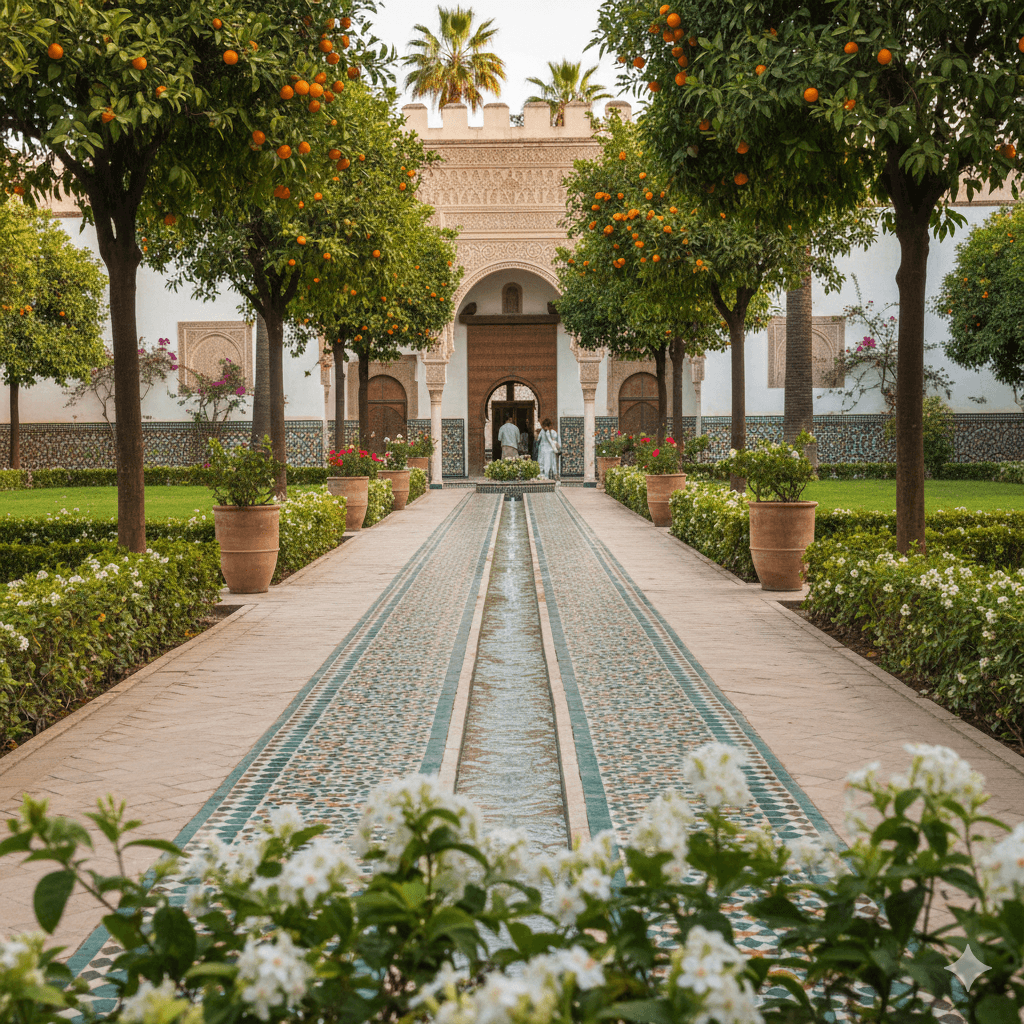
The Andalusian Gardens in Rabat are a masterpiece of Islamic architecture, reflecting the rich cultural heritage of Morocco. These gardens are not just a beautiful green space in the heart of the city; they are a historical and cultural landmark that attracts visitors from around the world.
The Andalusian Gardens have a rich history that dates back to the Islamic period. They were designed to be a tranquil retreat, embodying the principles of Islamic garden design, which emphasizes harmony with nature and the creation of a peaceful atmosphere. The gardens’ historical significance is deeply rooted in their ability to preserve the traditional Islamic architectural styles while adapting to the local Moroccan culture.
The gardens serve as a living testament to the cultural exchange and architectural innovation that characterized the Islamic Golden Age. Their design reflects the influence of various cultures, including Andalusian and Moorish styles, making them a unique cultural artifact.
The architectural features of the Andalusian Gardens are a testament to the ingenuity of Islamic architects. The gardens are designed with intricate patterns, soothing water features, and carefully selected flora, all of which contribute to a serene and contemplative atmosphere. The use of traditional materials such as zellij tiles, carved wood, and stucco adds to the gardens’ authenticity and beauty.
The design of the gardens is characterized by the use of geometric patterns, calligraphy, and ornate decorations, which are hallmarks of Islamic architecture. The careful integration of natural elements, such as water and plants, creates a harmonious balance between the built environment and nature.
The Andalusian Gardens in Rabat have had a profound cultural influence on the region. They have inspired art, literature, and architecture in Morocco and beyond. The gardens’ unique blend of Islamic and local Moroccan styles has contributed to the development of a distinct cultural identity.
The gardens continue to be a source of inspiration for artists, writers, and architects, who come to experience their beauty and tranquility. The cultural significance of the Andalusian Gardens is further underscored by their role in preserving traditional craftsmanship and promoting cultural heritage.
As you stroll through the Andalusian Gardens, you’ll discover a fascinating mix of flora and fauna. The gardens are meticulously designed to showcase a wide range of native plant species and provide a haven for local wildlife. This blend of natural beauty and careful horticulture makes the gardens a unique spot in Rabat.
Native Plant Species
The Andalusian Gardens are home to a diverse collection of native plant species. These plants are carefully selected to thrive in the local climate, ensuring that the gardens remain vibrant throughout the year.
The gardens are not just a feast for the eyes with their flora; they are also a haven for wildlife. Visitors can spot a variety of bird species, including robins, sparrows, and finches, as well as other small animals.
| Wildlife | Season | Tips for Spotting | Robins | Spring | Look for them in the early morning near flowering shrubs. |
|---|---|---|
| Sparrows | Year-round | They are often seen near food sources, such as bird feeders. |
| Finches | Autumn | Finches are attracted to seed-bearing plants; look for them in areas with tall grasses. |
A visit to the serene Andalusian Gardens in Rabat requires some planning to ensure a memorable experience. The gardens, with their tranquil ambiance and beautiful flora, are a perfect escape from the bustling city life.
The best time to visit the Andalusian Gardens is during the spring and early autumn when the weather is mild and pleasant. These seasons offer ideal conditions for enjoying the gardens’ beauty without the harshness of summer or the chill of winter.
| Season | Weather Conditions | Ideal for Visiting | Spring | Mild temperatures, blooming flowers | Yes |
|---|---|---|
| Summer | Hot, dry conditions | No |
| Autumn | Mild temperatures, foliage | Yes |
| Winter | Cool, potentially rainy | No |
The Andalusian Gardens are designed to be accessible to all visitors. The gardens offer amenities such as restrooms, refreshment stands, and ample parking. Visitors can enjoy a leisurely stroll along the well-maintained pathways.
Visitors to the Andalusian Gardens have the option of guided tours or self-exploration. Guided tours provide valuable insights into the history and significance of the gardens, while self-exploration allows visitors to enjoy the gardens at their own pace.
For those interested in a more in-depth experience, guided tours are available in multiple languages. Self-exploration, on the other hand, offers the flexibility to spend as much time as desired at various points of interest.
The Andalusian Gardens in Rabat are a vibrant destination, hosting a range of events and activities throughout the year. Visitors can enjoy the gardens’ beauty while participating in various cultural, educational, and recreational experiences.
Seasonal Celebrations
The gardens come alive during seasonal festivals, celebrating Moroccan culture and heritage. These events often feature traditional music, dance, and local cuisine, creating a festive atmosphere.
Learning Opportunities
Workshops and educational programs are regularly held at the Andalusian Gardens, offering insights into gardening, conservation, and Moroccan history. These programs cater to diverse age groups and interests.
Capturing Beauty
The picturesque landscapes of the Andalusian Gardens make them an ideal location for photography and art. Visitors are encouraged to capture the beauty of the gardens, with many finding inspiration for their creative projects.
By incorporating these events and activities into your visit, you can enhance your experience at the Andalusian Gardens Rabat, making for a memorable and enriching trip.






Frequently Asked Questions (FAQs) – For Quick Answers
The gardens have a rich history dating back to the Islamic period and were designed to be a tranquil retreat, reflecting the beauty of Islamic architecture.
The gardens feature a variety of native plant species, including beautiful flowers, trees, and shrubs that thrive in the local climate.
The gardens have amenities available, including parking and restrooms, and are generally accessible to visitors with mobility issues, although it’s recommended to check ahead of time.
Yes, guided tours are available, and they can provide a wealth of information about the gardens’ history, architecture, and flora, although self-exploration is also an option.