
Moroccan People: best 6 Reasons They Make Morocco Unique
What You Should Know About Moroccan People
Moroccans are renowned for warm hospitality and friendly conversation, making Morocco a vibrant cultural crossroads where the clatter of souk stalls, the scent of spices, and the call to prayer shape daily life. The population is a rich tapestry of Arabs, Berbers (Amazigh), and Sahrawis, each contributing distinct traditions, languages, and values. Arabic and Berber (Tamazight) have official status, French remains widely used in business and signage, and English is increasingly common in major urban centers. Learning a few Darija or Amazigh phrases even simple greetings and thanks goes a long way toward better connections during your trip. Sunni Islam influences daily routines prayer calls echo in cities and towns, modest dress is common, and religious festivals shape social rhythms. During your Morocco Tours packages, you’ll notice how religion influences greetings, mealtimes, and social events. One of the most memorable aspects of Moroccan culture is its legendary hospitality. Visitors are often welcomed with communal meals, shared tagines, couscous, and sweet mint tea small rituals that frequently become trip highlights and lasting memories. Morocco is where tradition meets modernity: artisans selling handcrafted rugs and pottery in souks stand side-by-side with sleek technology shops. This fusion appears across the country and gives you a lot to explore during your travel.
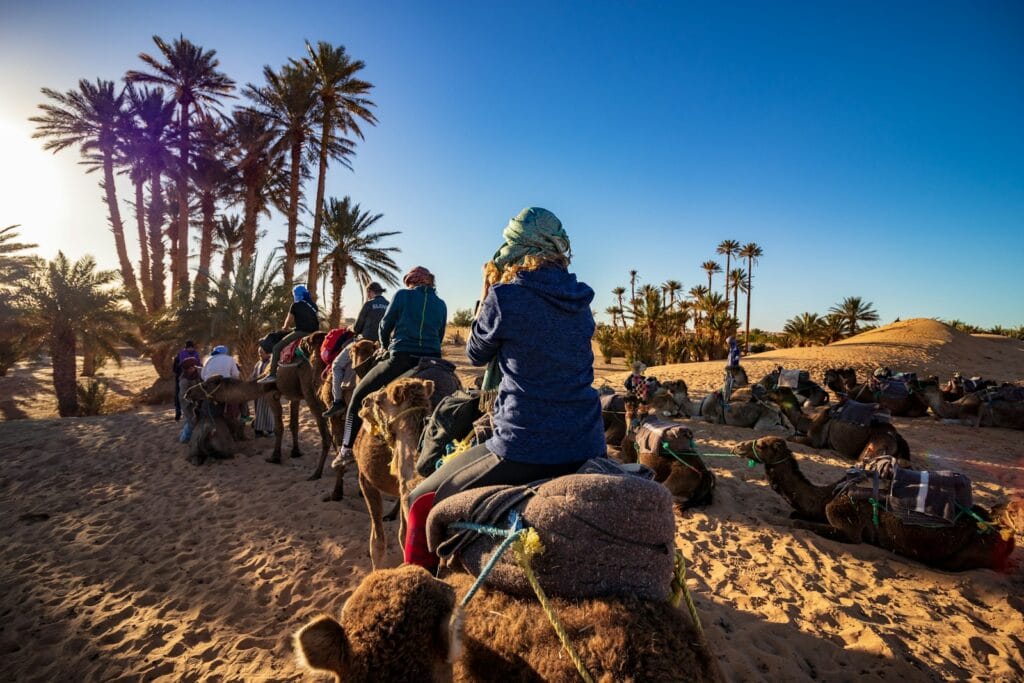
Exploring Morocco’s Rich Ethnic Diversity
Morocco’s cultural tapestry includes Arabs, Berbers (Amazigh), and Sahrawis. These groups reflect centuries of migrations, trade, and exchange that have shaped the country’s identity. Arabs are the largest group in many parts of Morocco; Berber communities are especially prominent in the Atlas Mountains and parts of the Sahara; Sahrawi culture is visible in southern regions.
Current demographic figures vary by source for accuracy, confirm the latest statistics if precise percentages matter for your planning. The Berber presence dates back millennia and their languages and music remain central to Moroccan culture. As you travel, you’ll hear Tamazight dialects (Tamazight, Tarifit, Tashelhit) and many local variations alongside Darija and French.
Together, these communities create a living culture that blends ancient traditions with modern life offering travelers authentic experiences, from bustling city souks to quiet mountain villages.
Language & Communication: A Traveler’s Guide
Morocco is a linguistic mosaic. Darija (Moroccan Arabic) is the everyday tongue across most cities and towns; Modern Standard Arabic appears in formal settings. Berber dialects — Tamazight, Tashelhit and Tarifit are widely spoken, particularly in mountain and rural areas. French is common in business, higher education and official signage, while English is increasingly used in tourist zones such as Marrakech, Fez, and Casablanca.
On your morocco vacation planner, a handful of phrases will pay dividends both practical and polite. Use the short list below as your basic phrasebook; practice them a little before you leave and keep them handy during the trip.
Quick phrase list (Darija / English)
Salam / Salaam Alykum — Hello / Peace be upon you
Shukran — Thank you
Bslama — Goodbye
La shukran — No, thank you
Fin…? — Where is … ? (e.g., Fin l-hammam? — Where is the hammam?)
Besh-hal? — How much? (useful in souks)
Smah li / Smhili — Excuse me / Sorry (polite interrupt)
Azul — Hello in many Berber communities
Practical language tips: carry a small phrase card, enable your phone’s offline translation app, and download an offline map. If you plan to spend more than a few days in a city, a local guide can save hours and connect you with authentic experiences; many guides speak both local languages and English. Buying a local SIM card at the airport or in major cities gives you quick access to maps and translation tools during your hours on the road.
Where to expect which language: in banks, government offices and many hotels you’ll often find French or Modern Standard Arabic; in taxi conversations, market haggling and neighborhood cafés you’ll hear Darija; in Berber regions you’ll encounter Amazigh languages. English is increasingly common in tourist-facing hotels, some riads, and with licensed guides in major cities.
Want a printable cheat-sheet? Save this page and copy the phrase list into your travel notes, or request a one-page PDF from your Morocco Vacation Planner when you book a guide or itinerary it’s an easy way to prepare before you depart.
Essential Cultural Etiquette
Greetings: Offer “Salaam Alykum” and reply with “Wa Alykum Salaam.” Shake hands when invited; wait for a local to extend a hand first, especially when meeting older people or women.
Modesty: Dress respectfully cover shoulders and knees in conservative areas. Women should carry a light scarf for mosque visits and to blend in on the street; in larger resorts and some coastal towns dress codes are more relaxed.
Mealtime customs: Remove shoes when entering a home, wash hands before eating, say “bismillah” and use your right hand. If offered food, accept at least a small portion; to decline politely say “La shukran” and smile.
Tea rituals: Sweet mint tea is a hallmark of hospitality accepting the second or third refill is polite. When hosts pour tea, lift the glass slightly to show appreciation.
Photo etiquette: Always ask before photographing people or private homes. In religious settings and near security personnel, don’t take photos without permission.
Following these norms shows respect and enriches your best Morocco travel experience.
Religion & Daily Life in Morocco
Sunni Islam shapes much of daily life in Morocco: five daily prayer calls punctuate the day in both cities and villages, and religious holidays affect opening hours and social rhythms. During Ramadan, many people fast during daylight hours; out of respect, avoid eating or drinking in public spaces during the day and consider joining locals for iftar after sunset for an immersive cultural experience.
Halal dietary norms mean pork is not part of traditional cuisine and public alcohol is limited; still, tagines, couscous, and sweet mint tea are staples you’ll encounter everywhere. In tourist areas and licensed restaurants you can find alcohol and international menus, but being mindful of local customs always helps.
moroccan Hospitality: A Traveler’s Delight
Hospitality is central to Moroccan culture. When invited into a home expect mint tea, conversation, and often a generous meal; accepting even a small amount of food or tea shows appreciation. Bringing a small gift sweets, tea or a modest souvenir is a thoughtful gesture when visiting a family.
Guests are expected to respect elders, remove shoes indoors in many homes, and follow the host’s lead at the table. These customs create meaningful personal connections during your stay
Shared Dining: Unity & Tradition
Meals are often communal family and guests share from a central dish, eating with the right hand after saying “bismillah.” This shared ritual reinforces community and is a highlight of many cultural tours and riad stays.
Welcomes on Moroccan Hospitality
Warm welcomes often include mint tea poured with ceremony accept a refill and compliment the host to show appreciation.
Respect customs: modest dress, shoe removal in many homes, and polite participation at meals will be appreciated.
Connect through conversation asking friendly questions about family or food opens doors. Understanding these customs makes any Morocco travel itinerary richer and more memorable.
Best Places to Visit in Morocco
Morocco’s strategic location at the crossroads of Africa, Europe, and the Arab world has made it a melting pot of cultures and traditions. This unique positioning has influenced the country’s geography, history, and cultural identity.
1. Marrakech
Dive into the buzzing atmosphere of Jemaa el‑Fnaa a living performance space where food stalls, storytellers and musicians create an unforgettable scene. Explore winding souks and the elegant Bahia Palace, visit Koutoubia Mosque from outside (non-Muslims cannot enter the mosque), and lose a few delightful hours in Jardin Majorelle.
Quick tips: Best time to visit the square is late afternoon to night; allow at least 2 days in Marrakech to see the medina and Jardin Majorelle. Accommodation: riads in the medina offer atmospheric stays; city hotels with a pool suit families. Transport: taxis are short and frequent, but within the medina you’ll walk or use a guide to avoid getting lost.
2. Chefchaouen – The Blue Pearl
Nestled in the Rif Mountains, Chefchaouen’s blue-painted medina is a photographer’s dream. Wander narrow streets, sip mint tea in Plaza Uta el‑Hammam and hike to the Spanish Mosque for panoramic sunset views.
Quick tips: Spend a full day or overnight to catch morning light and sunset; bring comfortable shoes for cobbled streets. Accommodation: boutique guesthouses and small riads inside the medina.
3. Fes – Cultural & Spiritual Heart
Lose yourself in Fes el‑Bali, one of the largest medieval medinas in the world. Wander artisan quarters, visit historic madrasas and see Al‑Qarawiyyin’s historic site. Don’t miss the Chouara Tanneries for a vivid (and fragrant) glimpse into traditional leather production.
Quick tips: Hire a local guide for the medina it makes a 1–2 day visit far richer and helps you navigate narrow streets safely. Accommodation: traditional riads inside the medina for an authentic experience; hotels locate outside the old city.
4. Sahara Desert – Merzouga & Erg Chebbi
Head to Merzouga and Erg Chebbi for classic Sahara dunes: take a camel trek, spend a night in a desert camp under the stars and watch spectacular sunrises and sunsets over the dunes. For a more active option, consider a 4×4 excursion or sandboarding on select slopes.
Quick tips: Desert nights can be cold pack layers and a warm hat. Typical visits are 1–2 nights from a nearby city (e.g., Erfoud or Rissani). Choose a reputable camp and, if possible, a guide who knows the dunes and local safety practices.sit amet, consectetur adipiscing elit. Ut elit tellus, luctus nec ullamcorper mattis, pulvinar dapibus leo.
5. Essaouira – Coastal Charm
Essaouira’s UNESCO-listed medina and windswept ramparts make it a favorite for seafood lovers and windsurfers. Browse thuya woodcrafts, stroll the port and enjoy fresh grilled sardines.
Quick tips: A day trip or overnight stay works well from Marrakech; coastal winds are strong — bring a windbreaker. Accommodation: small hotels and guesthouses near the medina.
6. Aït Ben Haddou & Ouarzazate – Film Set Wonders
Visit the ksar of Aït Ben Haddou a UNESCO World Heritage mud‑brick village that has appeared in films and series. Nearby Ouarzazate, sometimes called the “Hollywood of Africa,” houses Atlas Studios and the Kasbah Taourirt.
Quick tips: Combine this stop with a route from Marrakech to the Sahara; allow half a day in Aït Ben Haddou and a night in Ouarzazate. Accommodation: desert hotels and guesthouses are common.
7. Rabat – Royal & Relaxed
Morocco’s coastal capital pairs historic sites the Kasbah of the Udayas and the Hassan Tower (12th century) — with seaside calm and leafy parks.
Quick tips: Rabat is an easy stop on a northbound itinerary allow a half to full day. Accommodation: comfortable hotels and riads in the medina.
8. Tangier – Gateway Between Continents
Tangier’s cosmopolitan port links Africa and Europe. The medina, Kasbah and Grand Socco are lively, and nearby the Caves of Hercules provide a dramatic coastal stop.
Quick tips: Tangier is a good first or last city on a trip Morocco route. Ferry schedules vary by season check flights and ferries in advance.
9. The Atlas Mountains & Gorges
The High Atlas offers trekking, cultural immersion and dramatic gorges. Hike from Imlil toward Toubkal for multiday treks, explore Ourika Valley for shorter walks, and visit the Dades and Todgha gorges for spectacular scenery.
Quick tips: Mountain weather changes fast bring layers and check local conditions. Allow 1–3 days depending on hikes; local guides are highly recommended for longer treks.
10. Agadir & Taghazout – Surf & Sun
Agadir and nearby Taghazout offer sandy beaches, surf breaks and modern hotels ideal for a relaxing end to a trip Morocco itinerary or a beach-focused escape.
Quick tips: Perfect for rest days enjoy pools or surf lessons. Allow 2–4 days to relax after inland travel; car hire or taxis are the usual ways to move around the region.
Optimizing Your Morocco Itinerary
- Combine city and nature: A balanced trip often pairs Marrakech or Fes with a Sahara night (Merzouga) and Atlas Mountain hikes — this mix gives you medina life, dune sunrise/sunset and highland trekking in one journey.
- Include diverse excursions: Add a Sahara trek, an Essaouira coastal stop, and a Chefchaouen mountain visit to vary scenery and activities.
- Travel periods: Spring (March–May) and autumn (September–November) are ideal for most routes — you’ll avoid extreme summer desert heat and winter mountain snows. Coastal cities can be pleasant year-round; check local weather for high‑altitude treks.
Sample itineraries (quick reference) - 3-day city break: Marrakech — Day 1: Jemaa el‑Fnaa + souks; Day 2: Bahia Palace, Koutoubia, Jardin Majorelle; Day 3: Half‑day excursion (Ourika Valley) then flight or train to next destination.
- 7-day highlights: Casablanca → Rabat → Fes (2 days) → Marrakech (2 days) → overnight Sahara (Merzouga) — mix of city, culture and a desert night.
- 10–14 day loop: Casablanca or Marrakech start → Atlas Mountains (Imlil/Toubkal) → Aït Ben Haddou/Ouarzazate → Merzouga dunes (1–2 nights) → Fes → Chefchaouen → Tangier (tailor days based on flights and travel time).
Transport & logistics - Car vs. driver: Renting a car works for independent travelers comfortable with local roads; hiring a private driver (common and affordable) saves time and stress and is ideal for routes with mountain passes or early‑hour departures. Expect driving times of several hours between major hubs — e.g., Marrakech to Merzouga is a long day’s drive (plan overnight stops).
- Flights & trains: Domestic flights connect major cities and can save days (useful for longer trip morocco itineraries). Trains are comfortable and frequent between Casablanca, Rabat, Fes and Marrakech; they’re a good option for daytime travel.
- Taxis & short hops: In cities use small (petit) taxis for short trips and negotiate or ensure the meter is used; grands taxis serve intercity routes.
- Guides: For medina tours, desert treks, and mountain routes a licensed guide adds local insight and saves hours of time; many guides handle logistics and recommend the best routes and times of day.
Packing & practical tips - Layers: Desert nights can be cold; mountains are cooler — bring a warm layer even if days are hot.
- Sun protection: Hat, sunscreen and sunglasses are essential for dunes and coastal days.
- Money & cards: Carry some cash for markets and small taxis; cards work in hotels and larger restaurants. ATMs are widely available in cities.
- Timing: Start early for popular sites to avoid heat and crowds — morning hours are often the best time to explore medinas.
If you’d like, your Morocco Vacation Planner can turn any of these sample itineraries into a day‑by‑day plan with flights, routes and recommended hotels or riads, and arrange guides or car hire to match your travel style.
The Cultural Melting Pot of North Africa: Moroccan people
As a cultural melting pot, Morocco has been shaped by numerous traditions. The country’s North African culture is characterized by a blend of Arab, Berber, and Mediterranean influences. As one observer noted, “Morocco is a country where tradition and modernity coexist in harmony, creating a unique cultural identity.” This blend is reflected in the country’s architecture, cuisine, and festivals, making Morocco a fascinating destination.
The cultural diversity is also evident in the country’s linguistic heritage, with Arabic, Berber languages, and French being widely spoken.
Understanding the Moroccan People and Their Heritage
Understanding Moroccan people requires delving into their diverse ethnic background and linguistic diversity. Morocco is a country with a rich history, influenced by various cultures including Arab, Berber, and French, among others.

The Diverse Ethnic Makeup of Morocco
The ethnic makeup of Morocco is complex, with Arab and Berber being the predominant groups. The Berbers, also known as Amazigh, have a significant presence, particularly in the rural areas and mountains. This diversity has contributed to a rich cultural heritage, with various traditions and customs.
The blend of ethnicities has also influenced the social fabric of Morocco, creating a society that is both diverse and cohesive. Understanding this diversity is key to appreciating Moroccan culture.
Languages and Communication in Moroccan Society
Language plays a crucial role in Moroccan society, with Arabic being the official language. However, Berber languages are also widely spoken, reflecting the country’s ethnic diversity. French is another important language, often used in official and business contexts, a legacy of the colonial period.
The linguistic diversity in Morocco facilitates communication across different ethnic groups, enabling a multicultural society to function harmoniously. This diversity is a testament to the country’s ability to integrate various cultures and languages.
Reason 1: Unparalleled Hospitality and Warmth
At the heart of Moroccan culture lies a tradition of unparalleled hospitality and warmth towards guests. This distinctive trait is not just a courtesy but a fundamental aspect of Moroccan identity.
The Tradition of Welcoming Guests
The concept of welcoming guests is deeply ingrained in Moroccan society. It is a tradition that is passed down through generations, emphasizing respect, generosity, and warmth towards visitors.
The Concept of “Diyafa” in Moroccan Culture
“Diyafa” is a term that encapsulates the Moroccan tradition of hospitality. It involves a complex set of customs and behaviors aimed at making guests feel honored and comfortable. This tradition is a cornerstone of Moroccan social life, reflecting the values of generosity and respect.
First-Hand Experiences with Moroccan Hospitality
Many visitors to Morocco have shared stories of the incredible hospitality they experienced. From being invited into homes for meals to receiving warm welcomes in local riads, these experiences highlight the genuine warmth of the Moroccan people. Such encounters often leave a lasting impression, fostering a deep appreciation for Moroccan culture.
Moroccan Tea Ceremonies as Social Bonds
Moroccan tea ceremonies are an integral part of the country’s social fabric. These ceremonies are not just about drinking tea; they are rituals that strengthen social bonds and foster a sense of community. The preparation and serving of tea are done with great care, symbolizing respect and hospitality towards guests.
The significance of tea in Moroccan culture
The ceremonial aspects of tea preparation
The role of tea ceremonies in social gatherings
The warmth and hospitality extended during these ceremonies are quintessential to the Moroccan experience, making visitors feel like part of the family.
Reason 2: Rich Cultural Heritage Preserved Through Generations
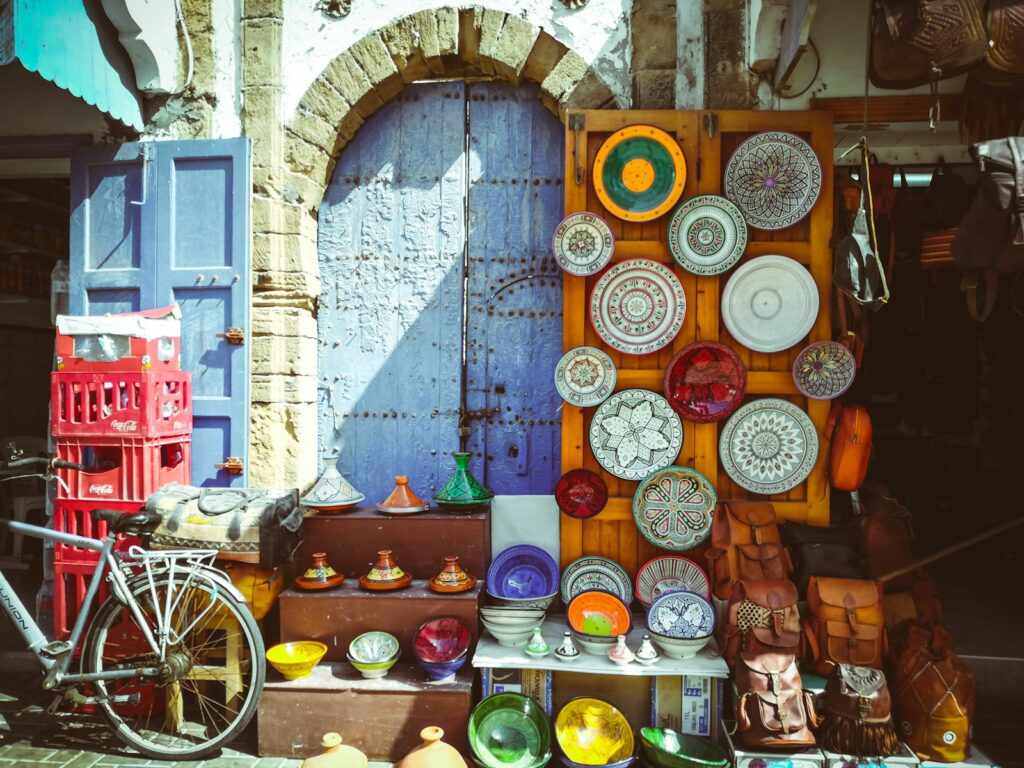
For centuries, Moroccan people have safeguarded their cultural heritage, passing it down through stories, crafts, and performances. This rich cultural legacy is evident in various aspects of Moroccan life, from oral traditions to artisanal craftsmanship and expressive arts like music and dance., Moroccan people are a diverse blend of cultures, traditions, and ethnic groups that have shaped the country’s rich history. Morocco’s population consists primarily of the Amazigh people who are the indigenous inhabitants of North Africa (Berber) and Arab communities, with influences from Andalusian, Jewish, and Sub-Saharan African heritage. This cultural fusion makes Morocco one of the most unique and vibrant nations in North Africa.
- Oral Traditions and Storytelling
Oral traditions play a significant role in preserving Moroccan cultural heritage. Storytelling is a cherished art form, with stories passed down through generations, often during social gatherings or family events. These stories convey historical events, moral lessons, and cultural values, keeping the community connected to their past. - Artisanal Craftsmanship and Skills
Moroccan artisans are renowned for their exceptional skills in crafting beautiful and functional items. Artisanal craftsmanship is a vital part of Moroccan cultural heritage, reflecting the country’s history and cultural diversity. - Carpet Weaving and Textile Arts
Carpet weaving is a traditional craft that has been perfected over generations. Moroccan carpets are highly prized for their intricate patterns, vibrant colors, and exceptional quality. Textile arts also include embroidery, dyeing, and printing, each with its unique techniques and designs. - Pottery, Metalwork, and Woodcarving
Moroccan artisans excel in pottery, creating functional and decorative pieces that reflect the country’s rich cultural heritage. Metalwork and woodcarving are also prominent crafts, with artisans producing intricate items that are both beautiful and functional. - Music and Dance as Cultural Expression
Music and dance are integral to Moroccan cultural expression, with various forms and styles across different regions. Traditional music and dance are performed during celebrations and social gatherings, bringing communities together and preserving cultural traditions.
Plan Your Perfect Moroccan Adventure
Reason 3: The Vibrant Moroccan Family Structure
The family is the cornerstone of Moroccan life, with a rich tapestry of traditions and celebrations that bring generations together. In Morocco, family is not just a social unit; it’s an institution that is deeply intertwined with the country’s cultural identity.
- Multi-generational Households and Family Bonds
In Morocco, it’s common to find multi-generational households where grandparents, parents, and children live together or near each other. This close living arrangement fosters strong family bonds and a sense of unity among family members. The respect for elders is a significant aspect of Moroccan culture, with children being taught from a young age to honor and care for their older relatives. - Celebrations and Traditions That Unite Families
Moroccan families are known for their vibrant celebrations and traditions. These events are crucial in strengthening family ties and passing down cultural heritage to younger generations. - Weddings and Birth Celebrations
Weddings in Morocco are grand affairs that bring together not just the immediate family but the entire community. Similarly, birth celebrations are joyous occasions marked with traditional rituals and feasting. These events are significant in Moroccan traditions, emphasizing the importance of family and community. - Religious and Seasonal Festivities
Morocco is predominantly Muslim, and religious festivities such as Eid al-Fitr and Eid al-Adha are celebrated with great fervor. These occasions are times for family reunions, charitable giving, and feasting, reinforcing the bonds within the Moroccan family.
These celebrations and traditions are a testament to the vibrant family structure in Morocco, highlighting the importance of unity, respect, and cultural heritage in Moroccan society.
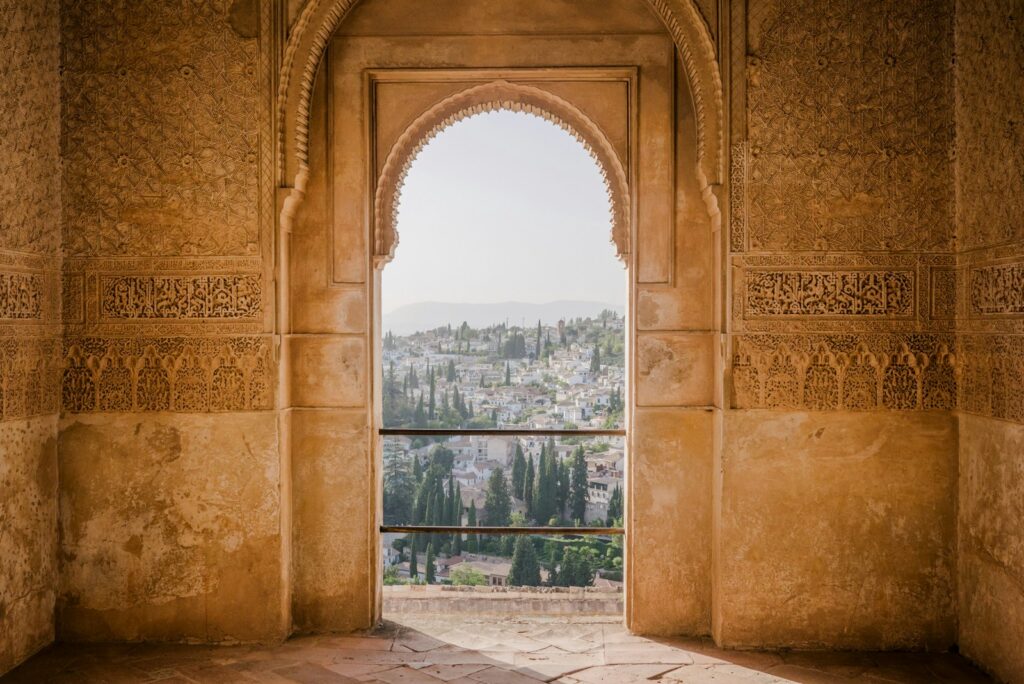
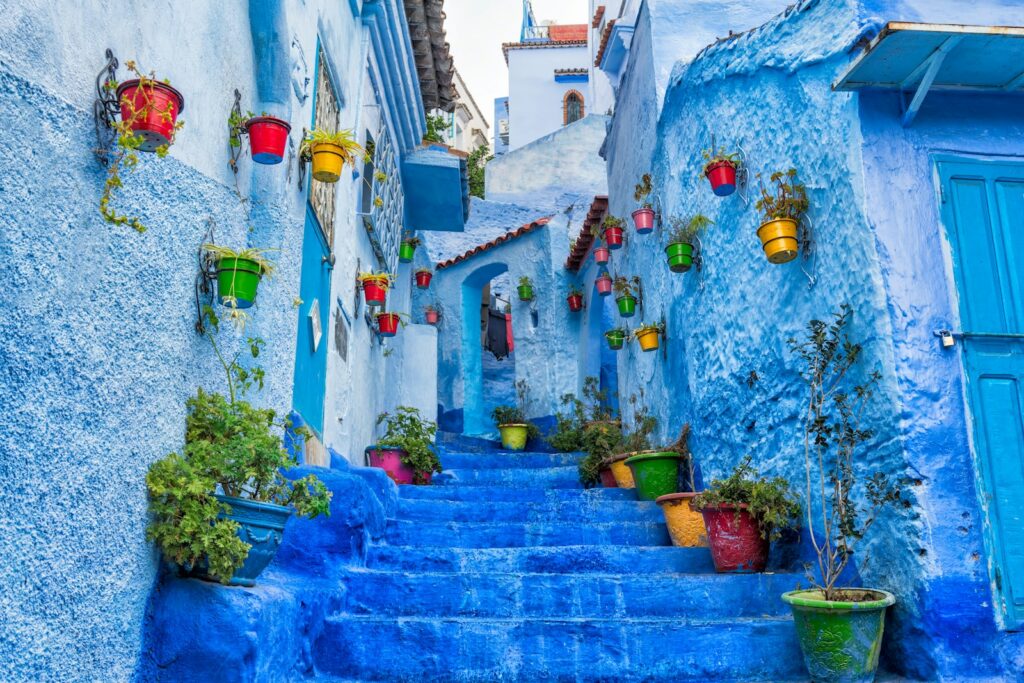
PEOPLE FROM MOROCCO: Understanding the Moroccan People and Their Heritage
Understanding Moroccan people requires delving into their diverse ethnic background and linguistic diversity. Morocco is a country with a rich history, influenced by various cultures including Arab, Berber, and French, among others.
CONCLUSION
The Moroccan people are a testament to centuries of cultural exchange and resilience. From the ancient Berber peoples of Morocco to the modern, cosmopolitan cities, the country’s diversity is its greatest strength. Whether you’re visiting for the vibrant markets, stunning landscapes, or warm hospitality, Morocco offers an unforgettable experience steeped in rich traditions and history.
Follow Morocco Vacation Planner for more insights into Moroccan culture, explore our guides on Moroccan traditions, local cuisine, and must-visit destinations across the country.